Govt to Deregulate LPG Pricing, Introduces Targeted Subsidies
Pakistan is preparing to shift LPG pricing from a government-regulated system to a market-based model, with import costs determining rates and financial backing reserved for low-income consumers.
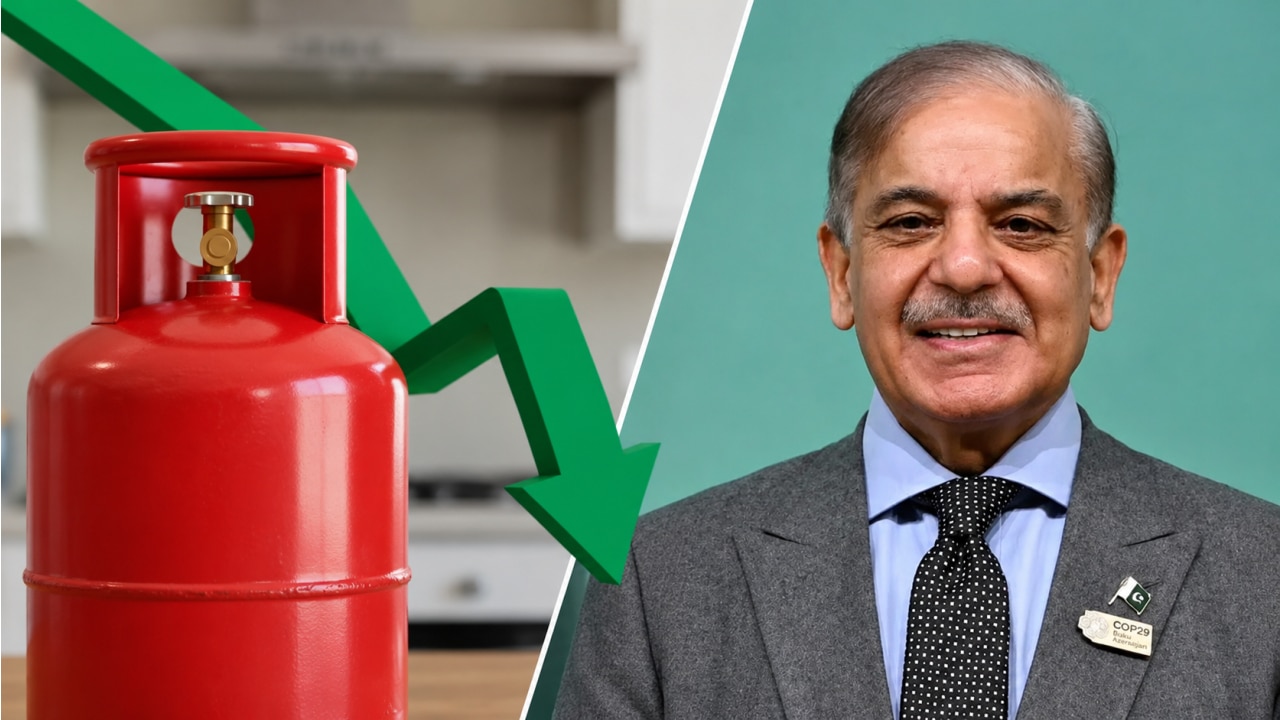
Pakistan is preparing to shift LPG pricing from a government-regulated system to a market-based model, with import costs determining rates and financial backing reserved for low-income consumers.
Article outline
- What happened
- The key numbers
- What comes next
- Official response
- Background
- The bottom line
Key points
- The participating entities would include Pakistan State Oil (PSO), SSGC LPG Limited (SLL), PARCO Pearl Gas Limited (PPGL) and Pakistan LNG Limited (PLL).
- Refineries and producers will collect and deposit the differential under the Public Financial Management Act, 2019, and relevant rules.
- The guidelines additionally propose winding up the LPG Pricing Committee, established by the Federal Cabinet in 2017 to determine costs subsequently notified by OGRA.
- A central feature of the proposed policy is the establishment of a Producer-Price Differential Fund in the Public Account.
- The regulator extended the pricing mechanism originally designed for locally produced LPG to imported supplies in June 2023.
Meanwhile, the proposed changes, which have been sent to the Cabinet for final approval, would end OGRA's monthly cost notifications for both locally produced and imported liquefied petroleum gas from November 1, 2026. Under the new arrangement, state-owned firms would take the lead in importing LPG in bulk and setting monthly base costs.
In practice, the participating entities would include Pakistan State Oil (PSO), SSGC LPG Limited (SLL), PARCO Pearl Gas Limited (PPGL) and Pakistan LNG Limited (PLL). Their pricing would be tied to the actual costs of importing the fuel, rather than OGRA's notified maximum cost.
In practice, the proposed formula would account for the Saudi Aramco Contract Cost, import premiums, freight, insurance, incidental expenses and applicable import taxes paid by PSO and/or SLL in the previous month. LPG Associations Announce Strike Throughout Pakistan. LPG Pricing to Shift to Import Parity.
Pakistan's current LPG pricing system relies on a fixed cost structure that the Petroleum Division notes no longer reflects the economics of importing the fuel.
Under the existing framework, OGRA sets maximum rates for producers, marketers and consumers using the Saudi Aramco contract rate on a free-on-board (FOB) basis, plus a fixed margin of Rs. 35, 000 per metric ton.
In practice, the Petroleum Division maintains that the formula fails to capture the extra expenses associated with imported LPG, including premiums above the Saudi benchmark, shipping, insurance, port handling, terminal fees and other incidental charges. The regulator extended the pricing mechanism originally designed for locally produced LPG to imported supplies in June 2023. It the ministry notes widened the gap between official costs and actual import costs.
In practice, the proposal additionally points to a fixed margin that has remained unchanged since 2018, despite diesel costs increasing by approximately 205 percent and the rupee losing around 155 percent of its value.
In practice, the resulting gap has pushed market rates well above OGRA's notified ceiling. Average LPG rates at filling plants between January and July 2026 were reportedly Rs. 60 to Rs. 79 per kilogram higher than the official consumer cost. Notably, the difference peaked at Rs. 158 per kilogram in March, with market rates carrying a premium of 11 to 70 percent over the notified limit. New Gas Connections to Stay Banned Indefinitely.
Meanwhile, the Petroleum Division maintains that consumers are already paying rates reflecting import costs in the open market, but without the protection of an effectively enforceable regulatory framework. New Fund to Backing Low-Income LPG Consumers.
For context, a central feature of the proposed policy is the establishment of a Producer-Price Differential Fund in the Public Account. The fund will collect the difference between the import-parity base cost and the Saudi Aramco-linked producer rate.
Notably, the monthly producer cost will remain linked to the current month's Saudi Aramco CP on an FOB basis, adjusted according to the propane-butane ratio. While the difference between it and the monthly import-parity base rate will be deposited into the fund, indigenous producers will receive this producer cost.
Refineries and producers will collect and deposit the differential under the Public Financial Management Act, 2019, and relevant rules. The Auditor General of Pakistan will audit the fund.
Meanwhile, the administration aims to employ the accumulated amount to provide targeted subsidies exclusively to vulnerable LPG consumers. Households session the Benazir Income Backing Programme (BISP) criteria or the government-approved poverty-means-test (PMT) cut-off will be eligible for assistance. Govt Cuts Petrol Levy, Makes Refineries Pay to Keep Rates Unchanged.
For context, the Petroleum Division will formulate operational guidelines for the fund within one month in consultation with the Finance Ministry and BISP. The subsidy framework will be reviewed annually.
For context, the proposed arrangement is intended to separate commercial LPG pricing from social protection, allowing market rates to reflect import costs while providing financial assistance to eligible households. LPG Firms to Set Marketing Margins.
Meanwhile, the proposed guidelines would allow LPG importing and marketing firms to determine their own marketing margins and freight costs, paving the way for competition in the downstream segment.
For context, the Competition Commission of Pakistan and OGRA will be responsible for preventing collusion and other anti-competitive practices. Petroleum Levy, Federal Excise Duty, sales tax and other applicable taxes and levies will continue to be charged under the law.
For context, the guidelines additionally propose winding up the LPG Pricing Committee, established by the Federal Cabinet in 2017 to determine costs subsequently notified by OGRA. Its membership was expanded after a Lahore High Court order in March 2018 to include representatives of LPG trade associations and the Consumer Rights Commission of Pakistan.
Notably, the Petroleum Division believes the import-parity mechanism, based on published benchmarks and actual landed costs, will create the committee redundant. While the ministry's role will be limited to notifying LPG product specifications for summer and winter seasons each year, its responsibilities will be transferred to OGRA. Stay Connected with ProPakistani.
Obtain the latest business news, market insights, and economic updates wherever you prefer. Follow on Google Discover. Follow on Google News Join WhatsApp. See more ProPakistani stories in Google Search and Top Stories.
Taken together, the developments around govt to Deregulate LPG Pricing, Introduces Targeted Subsidies point to a situation that is still moving, and the coming days should bring more clarity.