Privatization Will Not Bring Immediate Electricity Price Relief
In practice, the administration has proposed a two tier business model for privatizing electricity distribution businesses (DISCOs), separating ownership of distribution infrastructure from electricity sales and supply operations.
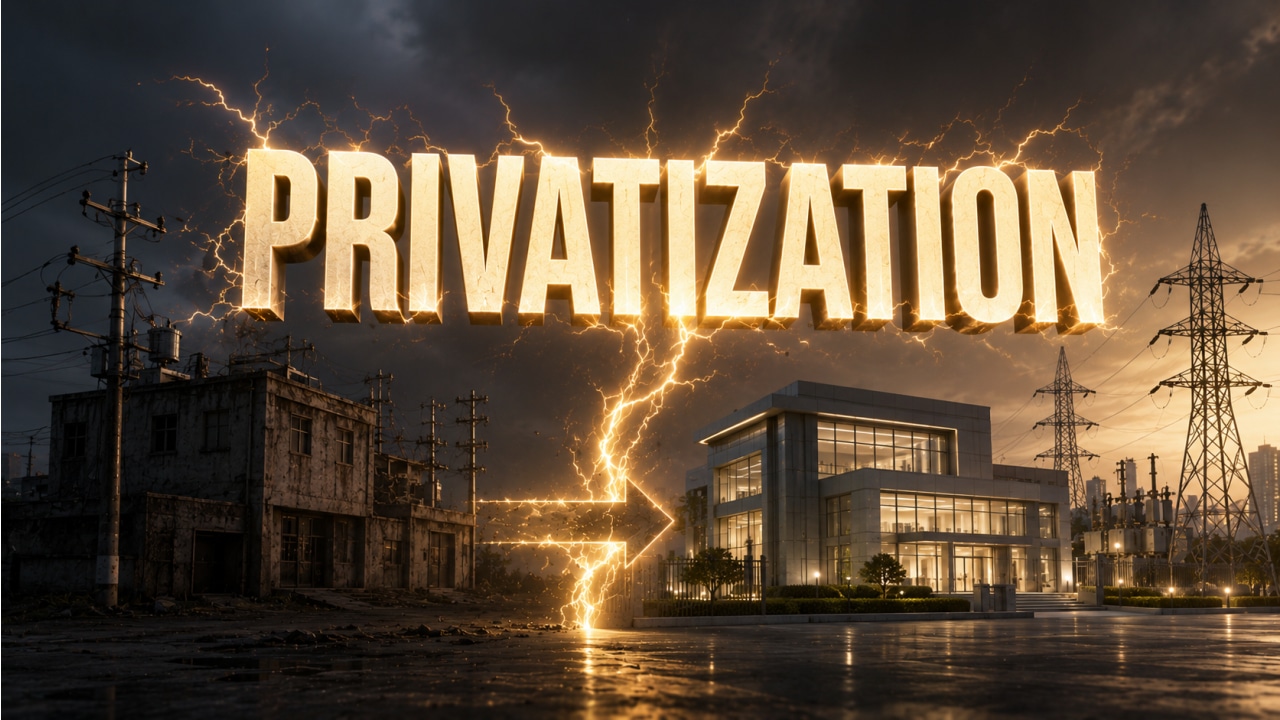
In practice, the administration has proposed a two tier business model for privatizing electricity distribution businesses (DISCOs), separating ownership of distribution infrastructure from electricity sales and supply operations.
Article outline
- What happened
- The key numbers
- Official response
- The details
- The bottom line
Key points
- IMF Gives Green Light to Pakistan's New Auto Policy.
- The arrangement would additionally end the Central Power Purchasing Agency's (CPPA) role as the sole electricity buyer and introduce multiple private suppliers into the market.
- The proposal initially covers the Faisalabad, Gujranwala, and Islamabad electricity distribution firms.
- According to a Privatization Commission official, the primary objective is to keep electricity distribution infrastructure regulated while opening electricity procurement and sales to private sector competition.
- Under the first tier, a successful bidder would acquire ownership of the distribution company's physical infrastructure, including electricity poles, wires, and other distribution assets.
While other private firms would compete to purchase and sell electricity to consumers, potentially creating room for lower tariffs over the medium and long term, under the plan, one private investor would own the physical distribution network. IMF Gives Green Light to Pakistan's New Auto Policy. First Tier: Private Ownership of Distribution Infrastructure.
In practice, the administration would regulate this infrastructure owner. It would additionally serve as the supplier of last resort, ensuring electricity supply when competitive suppliers are unable to meet their obligations. Second Tier: Competitive Private Electricity Suppliers.
Under the second tier, other private investors, known as competitive suppliers, would be allowed to enter the electricity market and independently handle electricity procurement, sales, billing, and collections.
These suppliers would acquire electricity generation capacity and customer portfolios through competitive auctions rather than purchasing the distribution infrastructure itself.
Meanwhile, the proposal initially covers the Faisalabad, Gujranwala, and Islamabad electricity distribution firms. Nevertheless, the plan remains subject to approval from the Power Sector Reforms Steering Committee and the federal cabinet. Electricity Bills May Not Fall Immediately.
Meanwhile, the proposed changes are not projected to reduce electricity costs immediately. Consumers would continue paying approximately Rs. 17 per unit to cover payments for unused power generation capacity.
Nevertheless, competitive suppliers could eventually be allowed to offer electricity at rates below government-approved tariffs.
Notably, the arrangement would additionally end the Central Power Purchasing Agency's (CPPA) role as the sole electricity buyer and introduce multiple private suppliers into the market.
After the privatization of the Faisalabad Electric Supply Business (FESCO), the CPPA would auction the electricity generation capacity allocated to FESCO, along with its customer portfolio, to private suppliers, under the proposed mechanism.
Successful bidders would assume responsibility for purchasing electricity and supplying it to the customers included in their respective portfolios. Pakistan Is Underreporting Its Solar Power Generation. Private Suppliers to Assume Capacity Payment Obligations.
Under the proposed arrangement, competitive suppliers would additionally have to bear capacity payment obligations arising from the government's existing power generation agreements. These payments would be allocated according to the proportion of electricity consumed by their respective customers.
In practice, the administration estimates that consumers at present bear approximately Rs. 1.7 trillion in annual capacity payments.
Notably, the proposed model intends to transfer these financial obligations to private suppliers alongside the corresponding generation capacity and customer portfolios. Stay Connected with ProPakistani.
Obtain the latest business news, market insights, and economic updates wherever you prefer. Follow on Google Discover. Follow on Google News Join WhatsApp. See more ProPakistani stories in Google Search and Top Stories.
For now, privatization Will Not Bring Immediate Electricity Price Relief remains the part of the story worth watching, and further updates are likely as more details are confirmed.