Huawei’s New Arm Sensor Can Track Glucose for Up to 16 Days
Huawei has unveiled the Sense G1, its first continuous glucose monitor (CGM), in China.
Huawei has unveiled the Sense G1, its first continuous glucose monitor (CGM), in China.
Article outline
- What happened
- Why it matters
- The details
- The bottom line
Key points
- China's National Medical Products Administration registered the Sense G1 as a Class III medical device, the country's highest risk category.
- A tipster cited by Mydrivers put the Sense G1's mean absolute relative difference (MARD) below 10%.
- Huawei consumer business CTO Li Xiaolong informed followers that the Sense G1 had the longest development cycle of any product his team had worked on.
- The small, round sensor resembles an Apple AirTag.
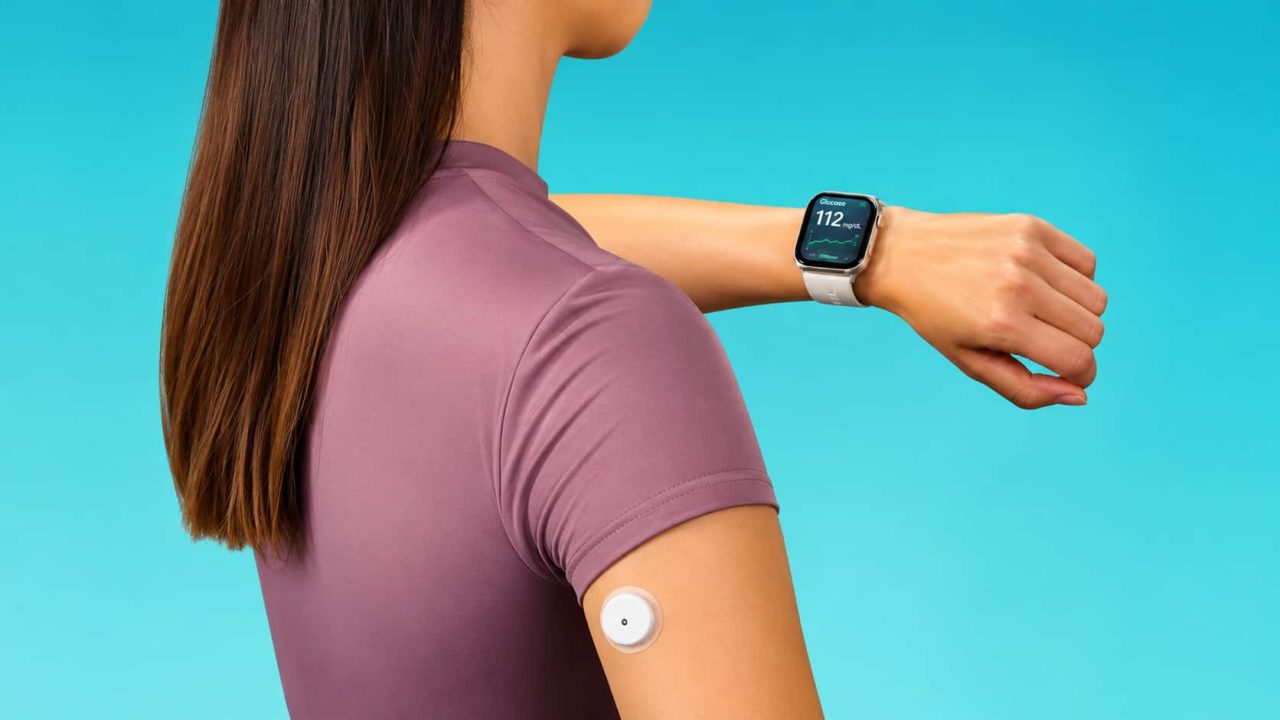
Huawei has unveiled the Sense G1, its first continuous glucose monitor (CGM), in China. The sensor attaches to the upper arm and tracks glucose day and night for up to 16 days. It can send alerts when readings go outside the target range, and users can check their glucose levels on a compatible phone or smartwatch.
For context, the small, round sensor resembles an Apple AirTag. According to Mydrivers, it uses a flexible probe beneath the skin, an enzyme called glucose oxidase, and electrodes to measure glucose in the fluid around cells. This gives users a continuous record of glucose changes without a finger prick for each reading. Huawei notes each sensor is for one person and requires no manual calibration. Huawei May Offer Its Next Flip Phone a Whole New Shape. How Accurate Is It?
Meanwhile, a tipster cited by Mydrivers put the Sense G1's mean absolute relative difference (MARD) below 10%. MARD measures how closely a sensor's readings match reference measurements. A lower figure means closer agreement. The tipster additionally stated readings could lag behind changes in blood glucose by regarding 5 to 15 minutes. Huawei has yet to confirm either figure. China Clears the Sensor.
China's National Medical Products Administration registered the Sense G1 as a Class III medical device, the country's highest risk category. The category additionally covers products such as cardiac stents and artificial joints. It is the first Class III registration for Huawei's consumer hardware business, according to IT Home. Huawei's New Phone Brand Design Leaks with Launch Date.
Huawei consumer business CTO Li Xiaolong informed followers that the Sense G1 had the longest development cycle of any product his team had worked on. He first wore a test unit in December 2023, regarding 35 months before the unveiling. Huawei introduced its TruSense health monitoring system in 2024. While the Sense G1 provides continuous glucose readings through a dedicated arm sensor, some of its smartwatches can assess diabetes risk. Cost and Release Date.
Huawei has yet to announce a cost or sale date. The firm could share more at a late-November event where it may additionally introduce the Mate X8 foldable phone and the MateBook Fold S, a follow-up to the MateBook Fold Ultimate Design. Stay Connected with ProPakistani.
Obtain the latest tech news, telecom insights, and product launches wherever you prefer. Follow on Google Discover. Follow on Google News Join WhatsApp. See more ProPakistani stories in Google Search and Top Stories.
Technology and Automotive Specialist covering the latest cars, smartphones, AI breakthroughs, and.
In short, huawei's New Arm Sensor Can Track Glucose for Up to 16 Days is the central thread here, and readers can expect follow-up reporting as the picture becomes clearer.