El Salvador’s Bukele expected to formalise bid for third presidential term
As he seeks a third consecutive term, salvadoran President Nayib Bukele is due to formally register his candidacy for his country's upcoming presidential race.
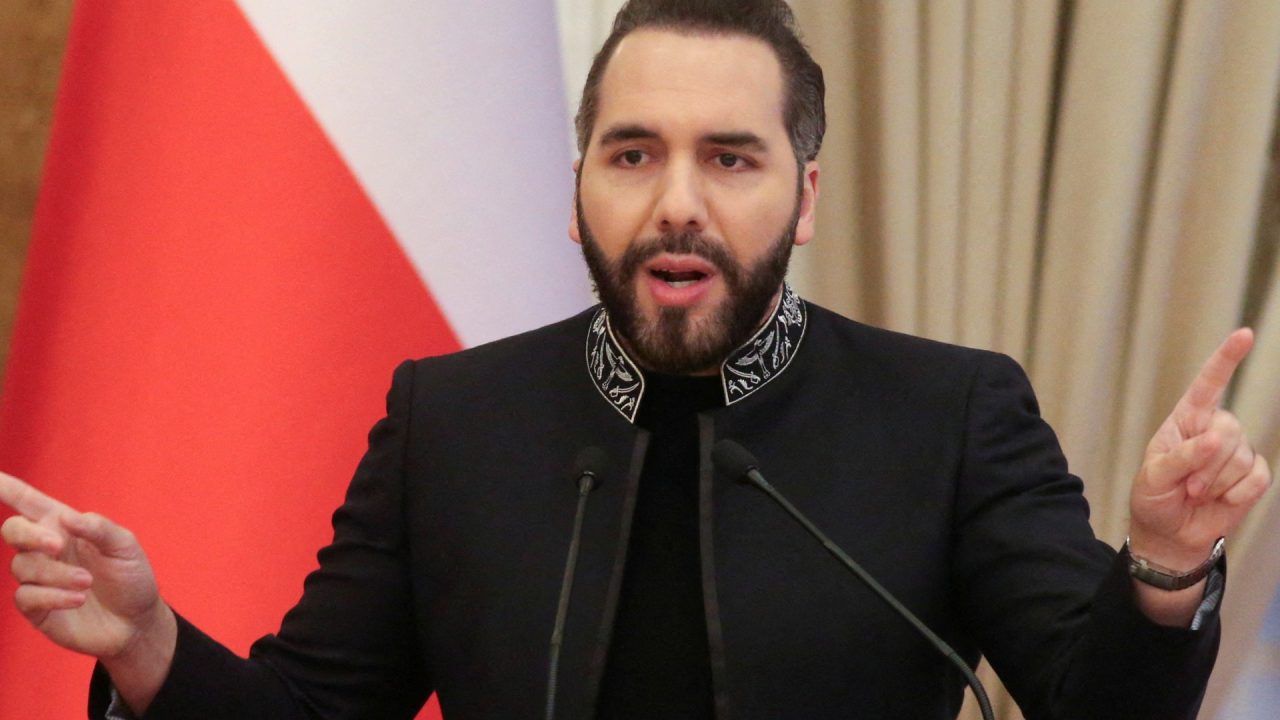
As he seeks a third consecutive term, salvadoran President Nayib Bukele is due to formally register his candidacy for his country's upcoming presidential race.
Article outline
- What happened
- Official response
- The key numbers
- The details
- Background
- The bottom line
Key points
- Then, in 2025, the Legislative Assembly passed a constitutional amendment allowing Bukele to seek a third term.
- Under Bukele, El Salvador has additionally passed a Foreign Agents Law that allows the administration to restrict civil society groups that receive funding from abroad.
- The 45-year-old president has been widely projected to seek re-election, a move that would further consolidate his party's leadership in the Central American country.
- The United States Treasury has additionally accused Bukele's administration of negotiating with the gangs in secret, offering incentives to support lower crime.
- Bukele secured his party's nomination for the 2027 race in July.
Thursday was the registration deadline for the election. It is slated for February 28, 2027.
For context, the 45-year-old president has been widely projected to seek re-election, a move that would further consolidate his party's leadership in the Central American country.
Bukele is the founder and leader of the Nuevas Ideas party. It controls El Salvador's Legislative Assembly by a wide margin.
While El Salvador's constitution previously prohibited presidents from seeking immediate re-election, the Supreme Court overturned that rule in 2021, paving the way for Bukele to run for a second term in 2024.
Then, in 2025, the Legislative Assembly passed a constitutional amendment allowing Bukele to seek a third term. The amendment additionally extended the length of a presidential term from five to six years.
Bukele secured his party's nomination for the 2027 race in July. He is projected to return to the ballot alongside his current vice president, Felix Ulloa.
Bukele's time in office has been defined by a crackdown on criminal gangs that has won him massive popularity at home and turned him into an icon for the political right throughout Latin America.
In 2022, his administration unveiled a so-called state of emergency to address high levels of crime in the country.
It empowered the police to create sweeping arrests, but it additionally heralded the suspension of key civil liberties. Some individuals were detained without charge. Mass trials have been carried out, with hundreds of defendants being sentenced at a time.
More than 1 percent of the country's population is estimated to have been arrested consequently, with little due process for those seeking to contest their guilt, according to human rights groups.
Advocates additionally warn that rights abuses, torture and poor conditions are systematic in Salvadoran prisons.
Although it was initially intended as a temporary measure and the administration claims El Salvador's gangs have been all but dismantled, the state of emergency has been extended for years.
Notably, the United States Treasury has additionally accused Bukele's administration of negotiating with the gangs in secret, offering incentives to support lower crime.
But experts say human rights activists and members of the news media have seen their ability to monitor abuses and corruption in the country hampered under Bukele.
Some, like human rights lawyer Ruth Lopez, have allegedly been detained for their work without access to legal backing. She has spent more than a year in "incommunicado detention", according to the group Amnesty International.
Those efforts have prompted allegations that Bukele has weaponised the state against his critics.
But those reservations have done little to dent his popularity, and Bukele is considered the clear favourite to win the election.
For context, a handful of candidates, including Maytee Iraheta of the right-wing Nationalist Republican Alliance and Rafael Aguirre of the left-wing Farabundo Marti National Liberation Front, are additionally set to contest the presidency.
In short, el Salvador's Bukele expected to formalise bid for third presidential term is the central thread here, and readers can expect follow-up reporting as the picture becomes clearer.