Syngenta Promises to Bring Biotech Seed Technologies to Pakistan
After high-level meetings with federal and provincial administration office-holders, syngenta Group intends to introduce advanced hybrid and biotechnology seed technologies in Pakistan, with a focus on cotton, corn, wheat, rice, and sunflower.
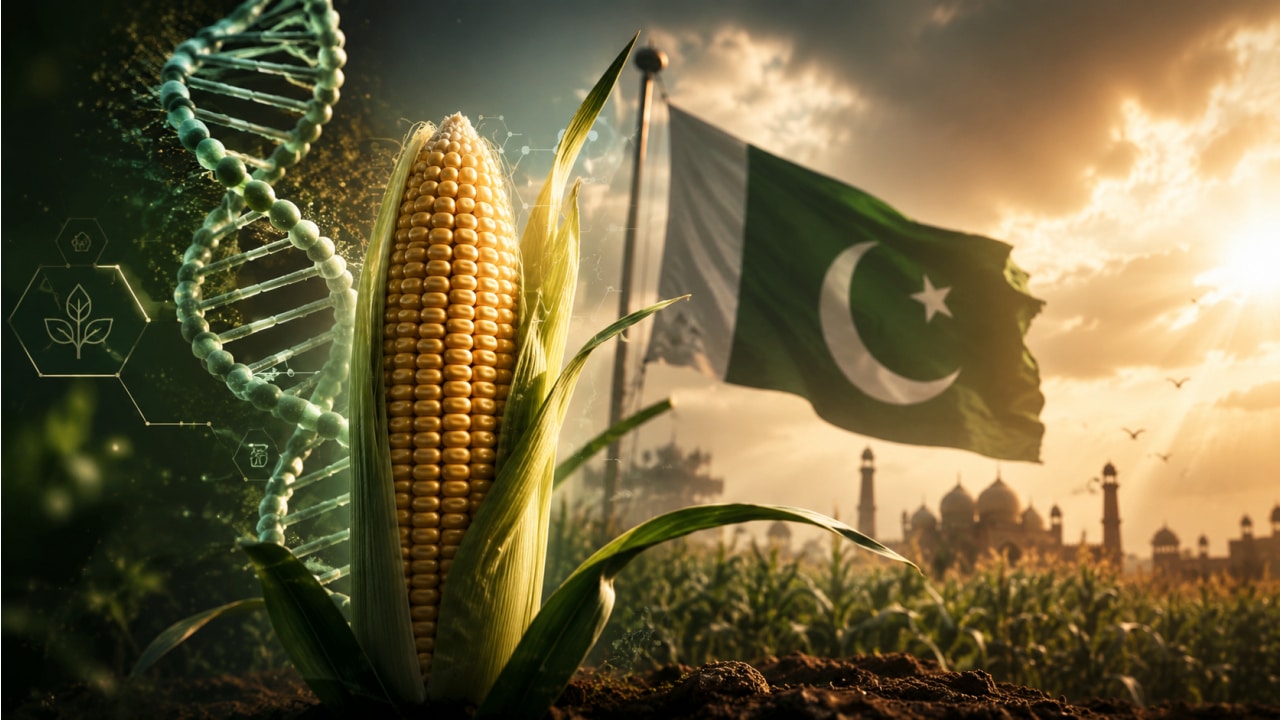
After high-level meetings with federal and provincial administration office-holders, syngenta Group intends to introduce advanced hybrid and biotechnology seed technologies in Pakistan, with a focus on cotton, corn, wheat, rice, and sunflower.
Article outline
- What happened
- Official response
- The details
- The bottom line
Key points
- In Lahore, Ying and the Syngenta Pakistan delegation met with the Punjab Agriculture Department in a session chaired by Provincial Agriculture Minister Syed Ashiq Hussain.
- During his four-day visit, Ying additionally toured agricultural fields throughout Punjab, met farmers, and heard directly regarding the challenges they face.
- Syngenta reaffirmed its commitment to working with the Pakistani administration to advance agricultural innovation, backing farmers, and strengthen the country's agricultural sector.
- The Punjab administration assured the company's leadership of its full backing for agricultural collaboration and the introduction of advanced seed technologies.
- The firm highlighted the importance of innovation in cotton and wheat, given their roles in Pakistan's textile industry, export earnings, and national food security.
Minjie Ying, Head of Seeds Business for Africa, Middle East and Asia at Syngenta Group, visited Pakistan alongside the company's local leadership team to discuss agricultural cooperation, seed innovation, and ways to improve productivity and food security. Syngenta Holds Discussions With Punjab Administration.
In Lahore, Ying and the Syngenta Pakistan delegation met with the Punjab Agriculture Department in a session chaired by Provincial Agriculture Minister Syed Ashiq Hussain. The discussions built on previous engagements between Syngenta Group China's leadership and the Punjab administration in Beijing last year. Why Are Pakistan's Rice Exporters Worried?
In practice, the Punjab administration assured the company's leadership of its full backing for agricultural collaboration and the introduction of advanced seed technologies. Biotech Seed Imports And Regulations Discussed.
In Islamabad, the delegation met with the federal minister and secretary for National Food Security and Research, the chairman of the National Agri-Trade and Food Safety Authority (NAFSA), representatives from the Prime Minister's Office, and the federal secretary for commerce.
As well as taxation, customs classification of biological products, and pesticide shelf-life regulations, discussions covered regulatory problems involving biotechnology seed imports and cotton variety approvals. After the government's recent approval of the National Agricultural Biotechnology Policy, the discussions additionally referred to international practices and scientific evidence. Textile Industry Faces Growing Pressure to Go Green. Focus On Cotton And Wheat Productivity.
In practice, the firm highlighted the importance of innovation in cotton and wheat, given their roles in Pakistan's textile industry, export earnings, and national food security. Hybrid technologies in corn, rice, and sunflower were additionally discussed as potential avenues for improving agricultural productivity and strengthening farmer resilience.
Syngenta reaffirmed its commitment to working with the Pakistani administration to advance agricultural innovation, backing farmers, and strengthen the country's agricultural sector. Stay Connected with ProPakistani.
Obtain the latest business news, market insights, and economic updates wherever you prefer. Follow on Google Discover. Follow on Google News Join WhatsApp. See more ProPakistani stories in Google Search and Top Stories.
Taken together, the developments around syngenta Promises to Bring Biotech Seed Technologies to Pakistan point to a situation that is still moving, and the coming days should bring more clarity.