New Drug Shows Promising Results Against Pancreatic Cancer
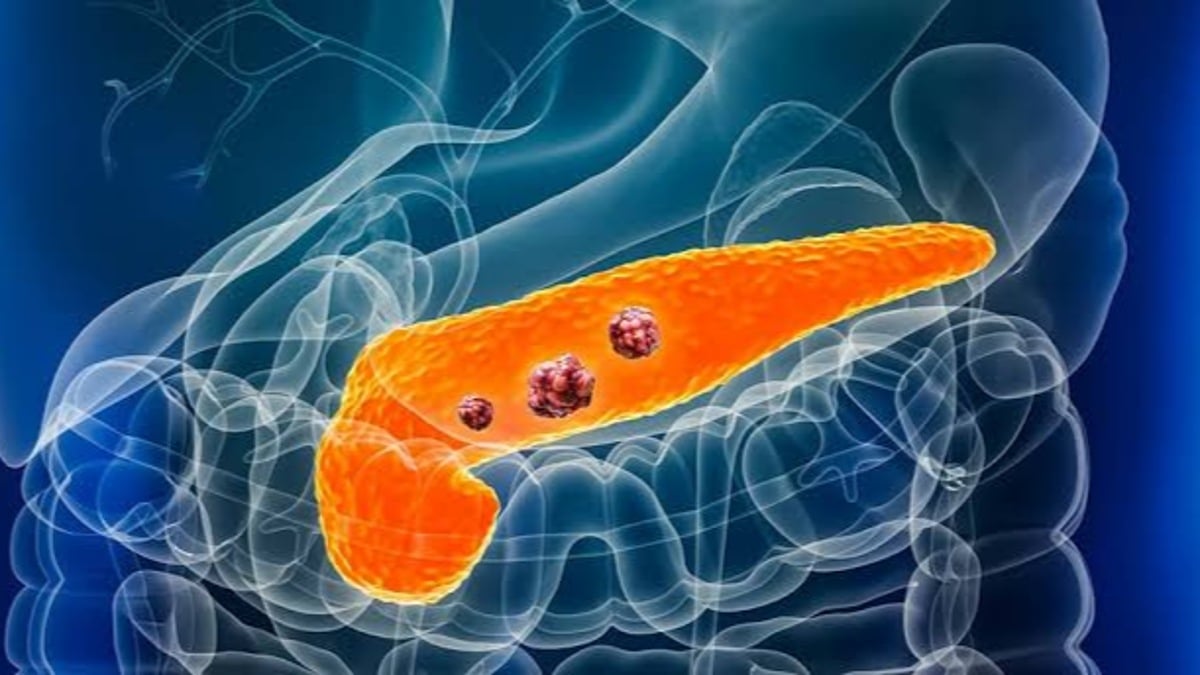
Notably, a new daily pill has shown promising results in early clinical trials for pancreatic cancer, with some patients experiencing significant tumor shrinkage and others showing no detectable signs of the disease on scans.
Notably, a new daily pill has shown promising results in early clinical trials for pancreatic cancer, with some patients experiencing significant tumor shrinkage and others showing no detectable signs of the disease on scans.
Article outline
- What happened
- The key numbers
- The details
- The bottom line
Key points
- Wungki Park of Memorial Sloan Kettering Cancer Center remarked the early findings demonstrated higher tumor response rates, deeper responses and almost twice the duration of disease control.
- While more than 60% experienced tumor shrinkage or disappearance, results from the Phase I/II trial indicated that tumors ceased growing in 90% of participants.
- The drug, daraxonrasib, was tested alongside chemotherapy in 61 patients with lately diagnosed advanced pancreatic cancer that had spread to other parts of the body.
- Cancer Research UK described the findings as the biggest advance in pancreatic cancer treatment in decades.
- Researchers followed participants for an average of 18 months.
In practice, the drug, daraxonrasib, was tested alongside chemotherapy in 61 patients with lately diagnosed advanced pancreatic cancer that had spread to other parts of the body. Honda Announces Limited-Time Offer for City 1.2 CVT.
While more than 60% experienced tumor shrinkage or disappearance, results from the Phase I/II trial indicated that tumors ceased growing in 90% of participants. In around 8% of patients, or approximately one in 12, the cancer became undetectable on CT scans.
Researchers followed participants for an average of 18 months. Although doctors say longer studies are needed to determine how long the treatment can control the disease, some patients did not experience a return of their cancer during that period.
Cancer Research UK described the findings as the biggest advance in pancreatic cancer treatment in decades. The charity's Dr. Sam Godfrey remarked the results were encouraging, adding that the drug had identified a way to target mutations previously considered tough to treat.
Daraxonrasib works by targeting RAS mutations. It drive tumor expansion and are identified in most pancreatic cancers. The treatment blocks these mutations, preventing them from supporting cancer expansion. Similar mutations additionally occur in other cancers, including lung and ovarian cancer, raising the possibility of further research into its apply. PMDC Announces New Dates for NRE Step-II.
Dr. Wungki Park of Memorial Sloan Kettering Cancer Center remarked the early findings demonstrated higher tumor response rates, deeper responses and almost twice the duration of disease control. It could eventually lead to longer survival.
Nevertheless, doctors have cautioned that the results do not mean the drug is a cure. Cancer can return even when scans show no detectable disease, and further research is needed to establish whether the treatment can produce lasting remission and improve overall survival.
Pancreatic cancer remains one of the hardest cancers to treat. It accounts for around 3% of all cancer cases in the United States but causes approximately 8% of cancer deaths, killing regarding 53, 000 residents annually. Stay Connected with ProPakistani. Obtain the latest international news and global stories wherever you prefer. Follow on Google Discover. Follow on Google News Join WhatsApp. See more ProPakistani stories in Google Search and Top Stories.
Taken together, the developments around new Drug Shows Promising Results Against Pancreatic Cancer point to a situation that is still moving, and the coming days should bring more clarity.