High Fuel Prices Are Eating Into Business Profits Across Pakistan
More than 90 percent of businesses in Pakistan say recent fuel cost adjustments have negatively affected their operations, with higher transportation costs emerging as the biggest challenge, according to the latest Business Confidence Survey by the Overseas Investors Chamber of…
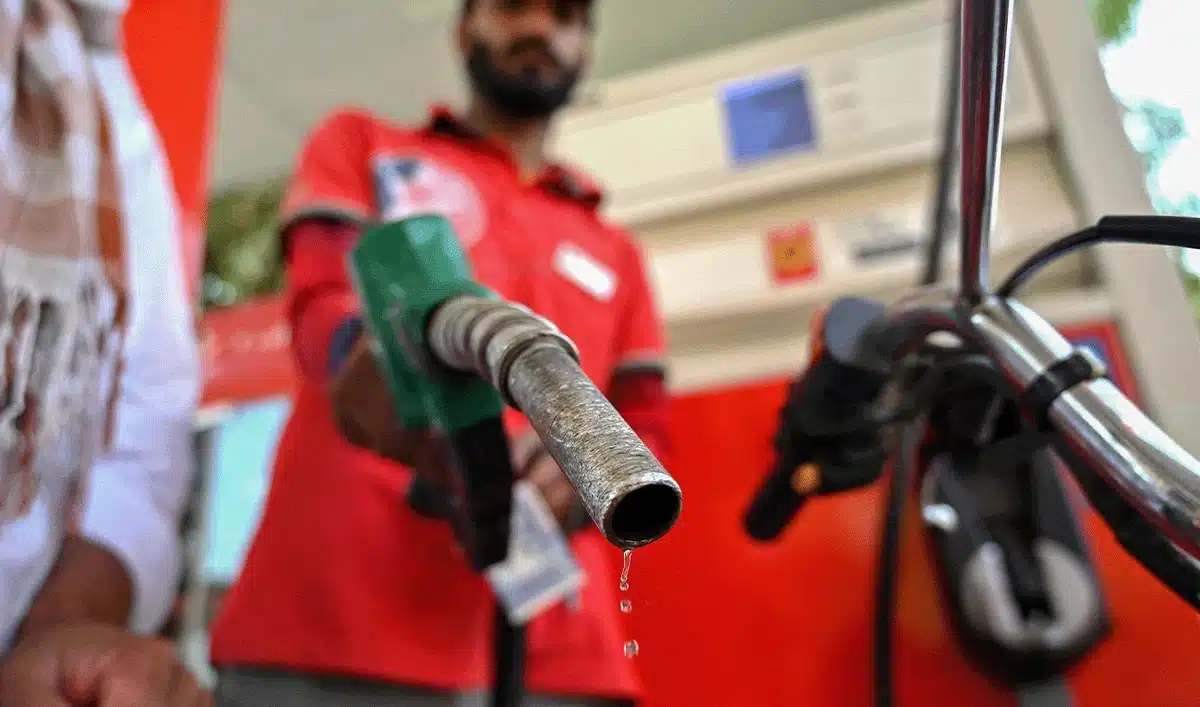
More than 90 percent of businesses in Pakistan say recent fuel cost adjustments have negatively affected their operations, with higher transportation costs emerging as the biggest challenge, according to the latest Business Confidence Survey by the Overseas Investors Chamber of Commerce and Industry (OICCI).
Article outline
- What happened
- The key numbers
- The bottom line
Key points
- The survey, conducted during September and October 2026, discovered that higher transportation costs affected between 80 and 88 percent of businesses throughout different sectors.
- The OICCI survey covers businesses representing almost 80 percent of Pakistan's GDP, with respondents from manufacturing, services, and retail and wholesale sectors.
- The survey additionally identified that business confidence had fallen sharply throughout Pakistan.
- Firms additionally documented rising operating expenses, weaker consumer demand, lower profitability, and disruptions to their supply chains.
- The impact of fuel cost increases comes at a time when businesses are already facing high inflation, taxation, and energy costs.
Meanwhile, the survey, conducted during September and October 2026, discovered that higher transportation costs affected between 80 and 88 percent of businesses throughout different sectors.
Firms additionally documented rising operating expenses, weaker consumer demand, lower profitability, and disruptions to their supply chains. Senate Committee Loses Patience With Govt Official. Higher Fuel Costs Add to Business Pressures.
Notably, the impact of fuel cost increases comes at a time when businesses are already facing high inflation, taxation, and energy costs. While 81 percent cited high taxation, in the same survey, 84 percent of respondents identified rising inflation as a threat to business expansion. Load shedding was another major concern, documented by 58 percent of respondents.
Meanwhile, the findings suggest that fuel cost adjustments are affecting businesses beyond their direct spending on petrol and diesel. While businesses additionally face pressure on their operating costs and profitability, higher transportation expenses can growth the cost of moving raw materials and finished products.
Meanwhile, the survey additionally identified that business confidence had fallen sharply throughout Pakistan. Overall confidence dropped 36 percentage points, from positive 13 percent in the previous survey to negative 23 percent in the latest wave. Foreign Investors Have Lost Confidence in Pakistan: Survey.
In practice, the OICCI survey covers businesses representing almost 80 percent of Pakistan's GDP, with respondents from manufacturing, services, and retail and wholesale sectors. As well as a number of non-metropolitan markets, it was conducted throughout major cities, including Karachi, Lahore, Islamabad, and Faisalabad. Stay Connected with ProPakistani.
Obtain the latest business news, market insights, and economic updates wherever you prefer. Follow on Google Discover. Follow on Google News Join WhatsApp. See more ProPakistani stories in Google Search and Top Stories.
In short, high Fuel Prices Are Eating Into Business Profits Across Pakistan is the central thread here, and readers can expect follow-up reporting as the picture becomes clearer.