Pakistan Deregulates Sugar Sector: Prices No Longer Fixed by Govt
Pakistan's federal cabinet has approved a national policy to deregulate the sugar sector, paving the way for changes to administration controls over sugarcane pricing, sugar mill operations, and the trade of sugar.
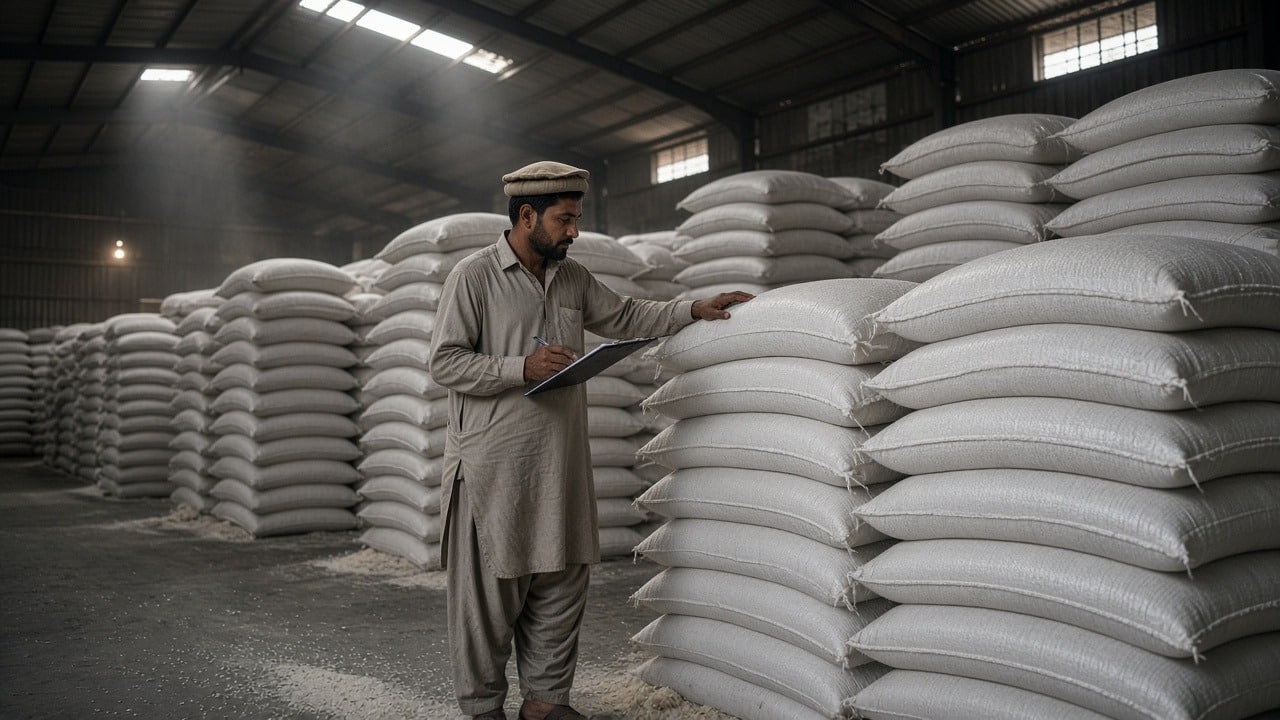
Pakistan's federal cabinet has approved a national policy to deregulate the sugar sector, paving the way for changes to administration controls over sugarcane pricing, sugar mill operations, and the trade of sugar.
Article outline
- What happened
- What comes next
- The key numbers
- The bottom line
Key points
- After consideration of a summary submitted by the Industries and Production Division, the decision was recorded on November 24, 2026.
- The approval additionally fulfils a long-delayed structural benchmark under Pakistan's International Monetary Fund (IMF) program.
- The policy will additionally remove restrictions on setting up new sugar mills and expanding existing ones.
- The policy proposes removing restrictions on the establishment of sugar mills and approvals for production capacity.
- The policy additionally includes safeguards for farmers, including third-party validation of weighing scales, a sucrose testing framework, and interest payments by mills on delayed sugarcane payments.
Meanwhile, the policy will additionally remove restrictions on setting up new sugar mills and expanding existing ones.
After consideration of a summary submitted by the Industries and Production Division, the decision was recorded on November 24, 2026. The policy was prepared in consultation with stakeholders and provincial governments, according to the government's announcement.
In practice, the approval additionally fulfils a long-delayed structural benchmark under Pakistan's International Monetary Fund (IMF) program. Pakistan had been in breach of the benchmark since June 2026, and its approval was necessary for scheduling the IMF Executive Board session on December 11. Govt Quietly Approves 400, 000 Tons Sugar Exports.
In practice, the policy's approval had been delayed by objections from Sindh. It agreed to the draft on November 21 after securing amendments. While rates will be determined through market mechanisms rather than administration controls, under the proposed changes, sugarcane farmers will be free to sell their crops to any buyer. Restrictions on sugarcane planting zones and varieties will additionally be removed, except for varieties included on a negative list of banned sugarcane varieties. Govt Launches New Anti-Wheat Crisis Measures. Sugar Mills to Face Fewer Restrictions.
Notably, the policy proposes removing restrictions on the establishment of sugar mills and approvals for production capacity. Mills will be able to create production decisions according to market demand and prevailing conditions. They will additionally have the freedom to choose their sources of raw materials.
Notably, the policy additionally includes safeguards for farmers, including third-party validation of weighing scales, a sucrose testing framework, and interest payments by mills on delayed sugarcane payments.
Meanwhile, the administration additionally intends to introduce a predictable and transparent mechanism for sugar imports and exports. While interprovincial movement of the commodity will be facilitated, export subsidies for sugar will be eliminated.
Notably, the measures are intended to reduce regulatory barriers, encourage investment, and growth competition throughout the sugar industry. Ex-Finance Minister Reveals Govt's Wheat Import Plan. Administration Aims Changes to Sugar Industry Financing.
In practice, the policy additionally includes measures to improve access to financing for farmers and sugar mills. It proposes promoting farm mechanization schemes to improve agricultural productivity and efficiency.
Meanwhile, the administration will additionally work toward making ethanol blending mandatory and developing commodity markets to backing transparent rate discovery and market-based trading.
Despite the planned deregulation, the administration will retain the authority to maintain buffer sugar stocks and monitor information on sugarcane production, sugar output, and market availability. The policy additionally provides transitional arrangements for the current crushing season.
Meanwhile, the policy intends to benefit farmers, millers, traders, and exporters by increasing competition, investment, production, and commercial opportunities throughout the sugar sector. Stay Connected with ProPakistani.
Obtain the latest business news, market insights, and economic updates wherever you prefer. Follow on Google Discover. Follow on Google News Join WhatsApp. See more ProPakistani stories in Google Search and Top Stories.
In short, pakistan Deregulates Sugar Sector: Prices No Longer Fixed by Govt is the central thread here, and readers can expect follow-up reporting as the picture becomes clearer.