NASA’s Swift telescope rescue mission fails: What happens next?
Science NASA's Swift telescope rescue mission fails: What happens next?
Science NASA's Swift telescope rescue mission fails: What happens next?
Article outline
- What happened
- Background
- What comes next
- The details
- The bottom line
Key points
- The unmanned spacecraft developed by American startup Katalyst was introduced on July 3 aboard a small rocket named Pegasus.
- The news of spacecraft having been out of control came on July 28.
- NASA Administrator Jared Isaacman remarked, "This is not the outcome we were working toward, but it does not change why this mission was worth attempting."
- According to the US space agency, the Swift space telescope is now bound to fall back to Earth and disintegrate along the way afterwards this year.
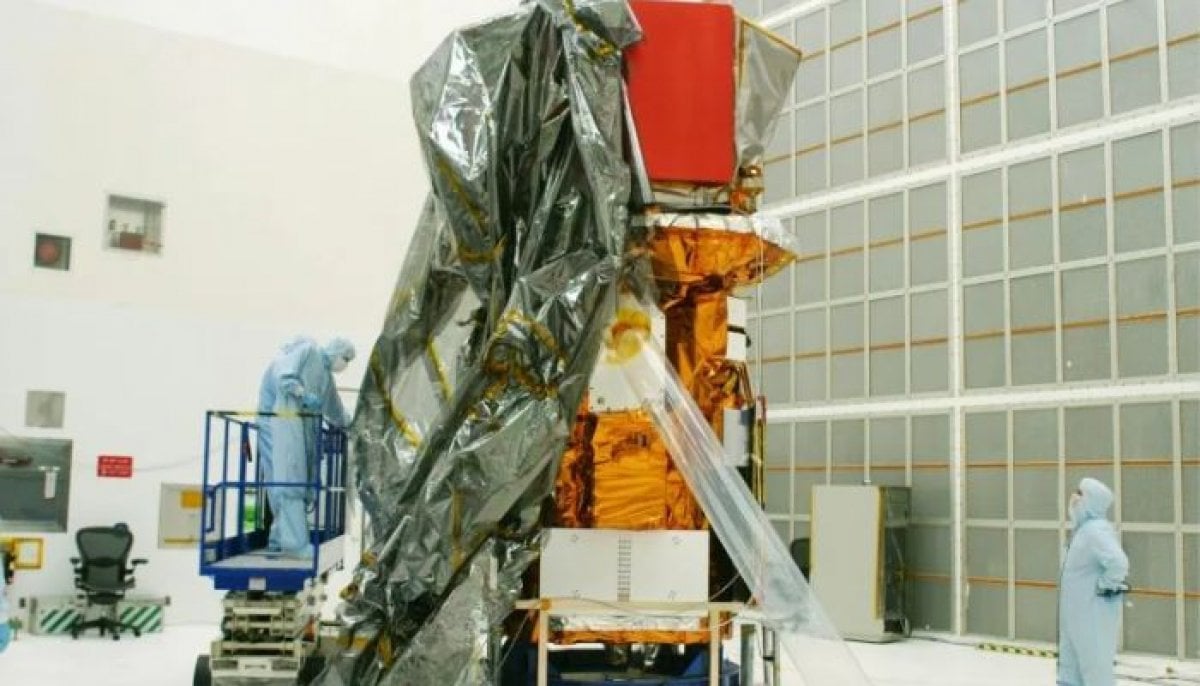
- Earlier to save this aging telescope, NASA initiated a $30 million mission aimed at sending a robot-based spacecraft to capture the telescope and move it farther into orbit.
Science NASA's Swift telescope rescue mission fails: What happens next? He unmanned spacecraft developed by American startup Katalyst was introduced on July 3.
NASA has failed to rescue the rapidly sinking Swift Observatory telescope, citing the rescue spacecraft could not be easily controlled.
According to the US space agency, the Swift space telescope is now bound to fall back to Earth and disintegrate along the way afterwards this year. The telescope is designed to study the most powerful explosions including Gamma rays in the universe.
Notably, the unmanned spacecraft developed by American startup Katalyst was introduced on July 3 aboard a small rocket named Pegasus.
For context, the news of spacecraft having been out of control came on July 28. It remained out-of-control spin for 72 hours with multiple challenges including a loss of communications.
"The team moved with extraordinary speed to give Swift a chance to carry out more science while advancing capabilities America will need for satellite servicing in the future, " Isaacman continued.
According to NASA, the spacecraft will still try to reach the Swift telescope to gather valuable data for future missions.
According to Katalyst ongoing control problems were the main reason behind calling the mission off.
Aqsa Qaddus Tahir is a reporter dedicated to science coverage, exploring breakthroughs, emerging research, and innovation. Her work centres on making scientific developments understandable and relevant, presenting well-researched stories that connect complex ideas with everyday life in a clear, engaging, and informative manner.
For now, nASA's Swift telescope rescue mission fails: What happens next? Remains the part of the story worth watching, and further updates are likely as more details are confirmed.