We do not want ties with India to deteriorate over Teesta: Bangladesh Water Resources Minister
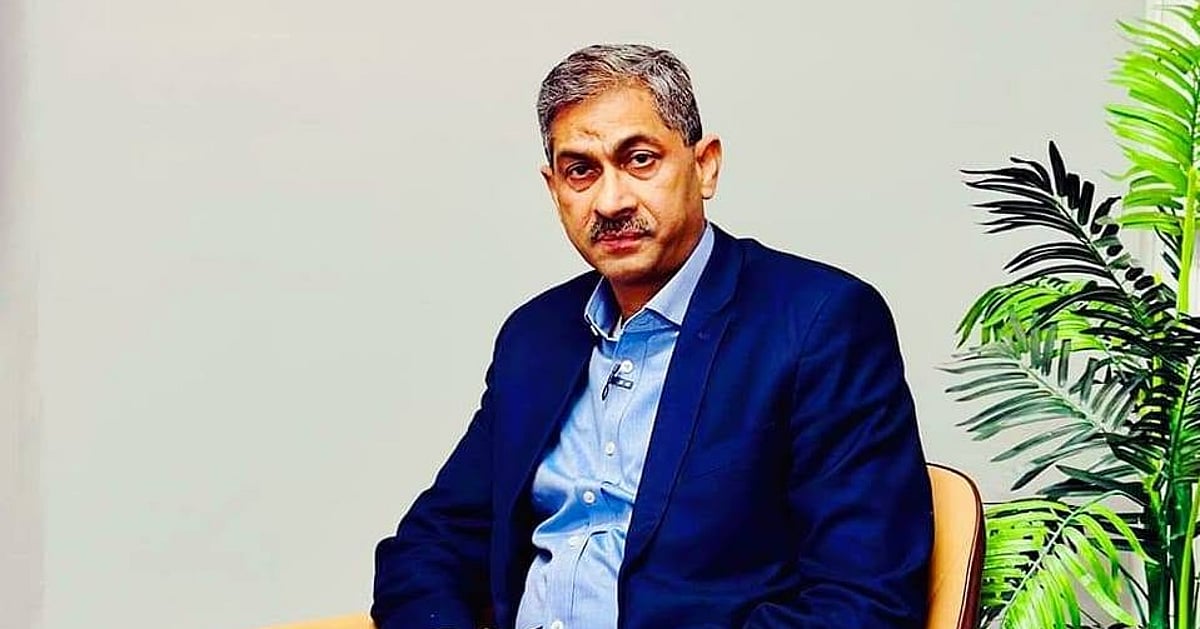
Bangladesh does not want its friendly relations with India to deteriorate over the long-pending Teesta water-sharing agreement, Water Resources Minister Shahiduddin Chowdhury Anee has said, urging New Delhi to consider Dhaka’s interests alongside its own.“The neighbouring country is a friendly country. They have to think that while they have their interests, we also have ours,”…
Key points
- The Teesta dispute is separate from the Ganges Water Sharing Treaty, signed by India and Bangladesh in 1996 for 30…
- Anee’s remarks came amid renewed efforts by Bangladesh to resolve the Teesta problem, including through the proposed Teesta River Comprehensive…
- India and Bangladesh have discussed sharing the river’s waters since the 1980s.
- While departmental and inter-ministerial meetings continue to review its progress, anee said Prime Minister Tarique Rahman regularly discusses the proposed…
Bangladesh does not want its friendly relations with India to deteriorate over the long-pending Teesta water-sharing agreement, Water Resources Minister Shahiduddin Chowdhury Anee has said, urging New Delhi to consider Dhaka’s interests alongside its own.
“The neighbouring country is a friendly country. They have to think that while they have their interests, we also have ours,” Anee was quoted as saying by TBS News at a seminar in Dhaka.
“A friend should protect the interests of a friend. We never want our friendly relations with them to deteriorate,” he said.
Anee’s remarks came amid renewed efforts by Bangladesh to resolve the Teesta problem, including through the proposed Teesta River Comprehensive Management and Restoration Project with Chinese support. The project aims to address recurring floods, river erosion and dry-season water shortages in northern Bangladesh.
What happened
The minister said the administration had organised several seminars and consultations since the February election to seek expert opinions on the proposed project. A detailed study based on the recommendations would help the administration take concrete steps, he said.
Describing the project as a major challenge, Anee said residents in five or six northern districts had high expectations after years of suffering from river erosion and other problems.
“If we fail to implement it, the damage and problems faced by families in those areas will continue to rise. We have to overcome this challenge anyhow,” he said.
The Teesta dispute has remained a major point of contention in India-Bangladesh water cooperation for decades. The river originates in the Himalayas, flows through Sikkim and West Bengal, and enters Bangladesh before joining the Jamuna, the Bangladeshi name for the Brahmaputra.
The details
While its waters are important for irrigation and power generation in West Bengal, where a number of districts depend on the Teesta, the river is crucial to agriculture and livelihoods in northern Bangladesh.
India and Bangladesh have discussed sharing the river’s waters since the 1980s. An interim arrangement reached in 1983 allocated 39 per cent of the water to India and 36 per cent to Bangladesh, leaving the remaining 25 per cent unallocated.
A draft interim agreement was finalised in 2011, proposing a dry-season sharing formula. However, it could not be signed after the West Bengal administration opposed the arrangement over worries about water availability in the state.
While departmental and inter-ministerial meetings continue to review its progress, anee said Prime Minister Tarique Rahman regularly discusses the proposed project.
Why it matters
Stressing that an agreement was “urgently needed”, Anee said Bangladesh would move towards implementing the project, regardless of whether it was termed a Teesta treaty, master plan or another arrangement.
During his official visit to Beijing in June, Rahman held high-level talks with Chinese leaders, securing a commitment from Beijing to expedite the technical feasibility study for the proposed Teesta restoration project.
Bangladesh’s decision to involve China has added a strategic dimension to the long-running dispute. For India, a greater Chinese presence in northern Bangladesh is particularly sensitive because of the region’s proximity to the Siliguri Corridor, the narrow land link connecting the northeastern states with the rest of India.
India has maintained that the Teesta issue should be resolved through discussions involving all relevant stakeholders, including West Bengal.
Background
External Affairs Ministry spokesperson Randhir Jaiswal said in July that India had already conveyed its views on the proposed Teesta project to Bangladesh and would consider “all related developments” as part of its overall approach to the problem.
The Teesta dispute is separate from the Ganges Water Sharing Treaty, signed by India and Bangladesh in 1996 for 30 years and due to expire in December 2026. The two countries share 54 transboundary rivers and address water-related matters through the Joint Rivers Commission.
(With inputs from PTI)