Kashag, Tibetan Parliament to hold march, prayer service in Dharamsala on August 20 to honour Lobsang Palden
CHANDIGARH: The Kashag (Cabinet) of the Central Tibetan Administration (CTA) and the Tibetan Parliament-in-Exile will jointly organise a prayer service and a peaceful march in Dharamsala on August 20 to mark the 49th day since Lobsang Palden alias Lobga Rangzen self-immolated in protest against China’s policies in Tibet, including the recently implemented “Promoting Ethnic Unity…
Key points
- Rangzen set himself ablaze on July 2 in front of the United Nations Headquarters in New York, protesting against what…
- The Kashag has instructed all Tibetan Settlement Offices and Offices of Tibet to organise similar prayer services in their respective…
- The peaceful march will begin from Tsuglagkhang and proceed towards the Police Ground in Dharamsala.
- A two-hour prayer service will be held at the Tsuglagkhang Temple in McLeodganj, in keeping with the Tibetan Buddhist tradition…
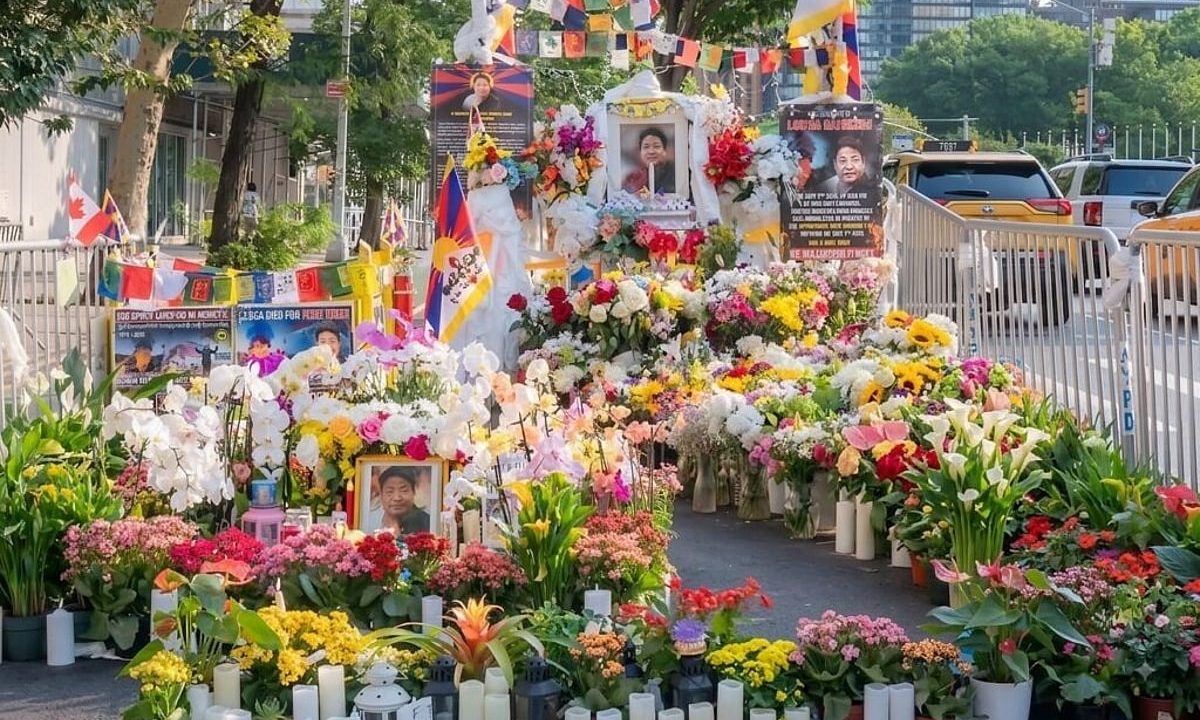
CHANDIGARH: The Kashag (Cabinet) of the Central Tibetan Administration (CTA) and the Tibetan Parliament-in-Exile will jointly organise a prayer service and a peaceful march in Dharamsala on August 20 to mark the 49th day since Lobsang Palden alias Lobga Rangzen self-immolated in protest against China’s policies in Tibet, including the recently implemented “Promoting Ethnic Unity and Progress Law”.
A two-hour prayer service will be held at the Tsuglagkhang Temple in McLeodganj, in keeping with the Tibetan Buddhist tradition that considers the 49th day after death significant in completing the traditional bardo period. The service will honour Palden and other Tibetans who have lost their lives for the Tibetan cause.
The peaceful march will begin from Tsuglagkhang and proceed towards the Police Ground in Dharamsala. Sikyong (President) of the CTA Penpa Tsering and other members of the Kashag will join the march.
Tsering cautioned that the march was not intended to encourage Tibetans to view self-immolation as the only avenue to express their aspirations, stressing that the loss of even one Tibetan patriot was a tremendous loss for the Tibetan cause.
What happened
Rangzen set himself ablaze on July 2 in front of the United Nations Headquarters in New York, protesting against what Tibetan groups describe as China’s continuing repression in Tibet.
“The peaceful march will therefore not only be an occasion to honour the courage and sacrifice of Lobsang Palden, but also an opportunity for Tibetans and supporters of the Tibetan cause to come together in solidarity and peacefully raise their collective voice against China’s ongoing destruction of Tibet’s distinct identity, culture and way of life, stated a statement issued by Central Tibetan Administration.”
The Kashag has instructed all Tibetan Settlement Offices and Offices of Tibet to organise similar prayer services in their respective regions.
The CTA said Tibetans in different parts of the world have organised campaigns, events and peaceful protests against Chinese policies since Palden’s self-immolation. Members of Uyghur, Mongolian and pro-democracy Chinese communities have also joined some of these initiatives in solidarity with Tibetans.
The details
The CTA said a number of countries, including Australia, Belgium, the Czech Republic, Estonia, Switzerland, the United Kingdom and the United States, have criticised or expressed concerns over the “Promoting Ethnic Unity and Progress Law”. It also stated UN High Commissioner for Human Rights Volker Türk had triggered concern over its possible impact on minority-language education and freedom of religion and culture. The European Parliament has also criticised the legislation and called on its repeal.
Meanwhile, Kalon of the Department of Religion and Culture Tsegyal Chukya Dranyi began an official visit to the Mundgod Doeguling Tibetan Settlement in Karnataka, Dehradun in Uttarakhand, Dolanji Tibetan Settlement (Bonshi) and Shimla in Himachal Pradesh on August 16. The visit will continue until September 1.
During the visit, Dranyi is scheduled to visit monasteries, meet revered Lamas and interact with members of the Tibetan communities in the respective regions.