Diplomatic success
Editorial Published September 3, 2026 Updated September 3, 2026 07: 49am.

Editorial Published September 3, 2026 Updated September 3, 2026 07: 49am.
Article outline
- What happened
- Why it matters
- The bottom line
Key points
- Prime Minister Shehbaz Sharif was lately in Bishkek, Kyrgyzstan, to attend the SCO Council of Heads of State summit.
- Unless space is granted to all political forces in Pakistan, stability will elude us.
- At this forum too, Pakistan's relevance on the global stage was highlighted – this country has been chosen to head the pact's secretariat.
- As Pakistan's leadership has gone the extra mile to promote peace in the region, all of these laurels are well-earned.
Editorial Published September 3, 2026 Updated September 3, 2026 07: 49am. Join our Whatsapp Channel. Add Dawn as a trusted source.
PAKISTAN'S star in the field of foreign policy is on the ascendant. Since of our own mistakes and the malevolence of some in the neighbourhood, Pakistan's reputation had suffered internationally, not too long ago. That situation has changed. Today, in the region and the world, Pakistan is recognised for its diplomatic finesse, for bringing together adversaries, and for contributing to regional peace. Yet for all the accolades, the country can only capitalise on this improved reputation by addressing the internal hurdles holding it back from the path of progress.
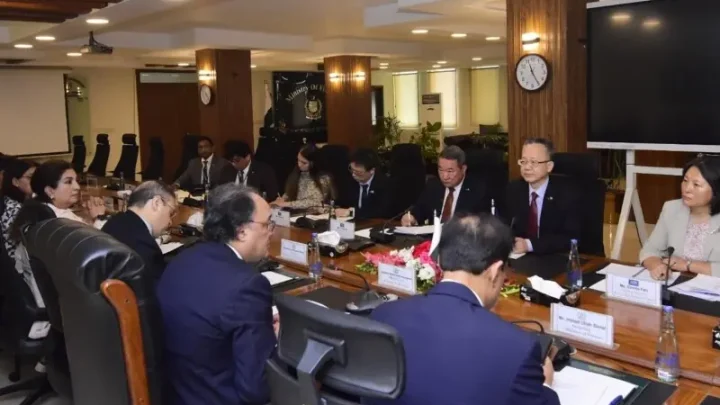
Prime Minister Shehbaz Sharif was lately in Bishkek, Kyrgyzstan, to attend the SCO Council of Heads of State summit. Pakistan has assumed the SCO chair and the next summit will be held in Islamabad. At the event, Mr Sharif met with leaders from within the Eurasian bloc, including those of Russia and China. Just before the summit, the first formal session of the Makkah Defence Alliance was held in Istanbul.
At this forum too, Pakistan's relevance on the global stage was highlighted – this country has been chosen to head the pact's secretariat. The pact itself is the extension of last year's defence agreement signed with the Saudis; that development, too, had attracted global attention. But perhaps the biggest diplomatic coup Pakistan has pulled off in the recent past was to bring Iran and the US to the negotiating table in Islamabad in April. While violence has again flared between these two states, the global consensus remains that the Islamabad MoU offers the best path to peace.
As Pakistan's leadership has gone the extra mile to promote peace in the region, all of these laurels are well-earned. Nevertheless, the true value of these diplomatic successes can only be realised when there is peace and prosperity within. Internally, the challenges remain formidable. Pakistan faces two major terrorist insurgencies in KP and Balochistan. Though the economic situation is now comparatively stable to what it had been not too long ago, the country is still far from the path of sustainable expansion, meanwhile.
Political instability is another major concern. Unless space is granted to all political forces in Pakistan, stability will elude us. The PM additionally spoke of the importance of regional connectivity in Bishkek. Regional integration is key, but when Pakistan faces two hostile neighbours – India to the east and Taliban-ruled Afghanistan to the west – as well as a war in Iran and the Gulf, achieving this integration becomes challenging.
While the situation in the Gulf is beyond Pakistan's control, while Pakistan can again extend the hand of friendship to New Delhi and Kabul, much depends on how these states respond. What can be done is to address internal matters such as security, economic policy and political reconciliation. Published in Dawn, September 3rd, 2026.
For now, diplomatic success remains the part of the story worth watching, and further updates are likely as more details are confirmed.