Mississippi does not have pharmacies to spare
Mississippi does not have pharmacies to. Mississippi does not have pharmacies to spare.
Mississippi does not have pharmacies to. Mississippi does not have pharmacies to spare.
Article outline
- What happened
- Why it matters
- Background
- What comes next
- The key numbers
- The bottom line
Key points
- According to the Mississippi Independent Pharmacies Association, 54 independent pharmacies have closed in Mississippi since 2021.
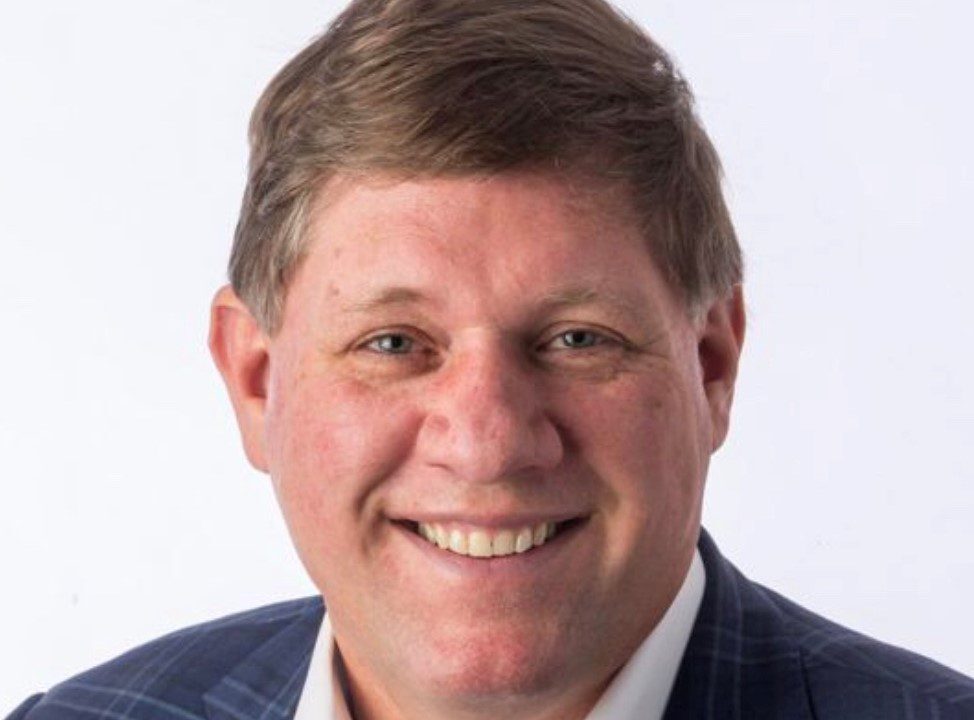
- Merle Flowers is a former Member of the Mississippi State Senate representing the 19th District and the President of Flowers Properties, LLC.
- In April 2025, Arkansas enacted Act 624, prohibiting PBMs from owning pharmacies in the state.
- A 2024 count identified 653 retail pharmacies serving almost three million Mississippians.
- Roughly 593, 000 Mississippians were enrolled in Medicaid or CHIP this spring.
Mississippi does not have pharmacies to. Mississippi does not have pharmacies to spare. By: Merle Flowers – September 10, 2026.
Mississippi can protect independent pharmacies without gambling with pharmacy access. Fix reimbursement. Require prompt payment. Prohibit abusive steering. Demand transparency. Enforce competition. Then let pharmacies compete for business.
For context, a 2024 count identified 653 retail pharmacies serving almost three million Mississippians. Meanwhile, one national analysis estimates that 244, 045 Mississippi households already live in pharmacy deserts. And since 2021, 54 independent pharmacies have closed throughout our state.
If lawmakers return to Jackson next year with legislation forcing firms that manage prescription-drug benefits to divest the pharmacies they own, the proposal will be straightforward to sell.
Put the middlemen in their place. Break up the major businesses. Protect the hometown pharmacist.
I understand the appeal. Independent pharmacists have legitimate complaints regarding reimbursement, audits, payment delays and business practices by pharmacy benefit managers, or PBMs. Those challenges deserve attention.
But conservatives should be especially careful when the proposed solution is administration deciding who may own a lawful business. Arkansas tried it first.
In April 2025, Arkansas enacted Act 624, prohibiting PBMs from owning pharmacies in the state. Before the law could take effect, a federal judge issued a preliminary injunction, finding that the challengers were probable to succeed on claims that the law violated the Commerce Clause and was preempted as applied to TRICARE. Arkansas appealed, and the litigation continues.
In practice, the result so far is not a cheaper prescription or a newly opened rural pharmacy. It is a major constitutional fight over whether state administration can dictate the ownership structure of an industry.
Tennessee followed this year with its own FAIR Rx Act. Gov. Bill Lee signed it in May, and CVS sued the state the same day. Express Scripts and the Pharmaceutical Care Management Association afterwards filed their own challenges.
More significant than the lawsuits is what Tennessee's own fiscal analysts stated. They could not determine whether the legislation would save taxpayers funds.
Meanwhile, the Tennessee General Assembly's fiscal memorandum notes the law may rise expenditures for TennCare and the State Group Insurance Program since of higher drug-acquisition costs, dispensing fees and administrative expenses associated with rebuilding pharmacy networks. The analysts additionally acknowledged that savings might result from reducing anti-competitive practices. Their conclusion was straightforward: the net fiscal effect could not reasonably be determined.
That is hardly a compelling case for Mississippi to gamble with pharmacy access.
Our state is particularly vulnerable. Roughly 593, 000 Mississippians were enrolled in Medicaid or CHIP this spring. More than half of Mississippi's population is classified as rural. And an estimated 244, 045 households already live in areas considered pharmacy deserts.
Closing or disrupting even a relatively small number of pharmacies can therefore matter more here than it might in a densely populated state.
And patients do not always simply drive farther when their pharmacy closes.
For context, a national study published in JAMA Network Open discovered that among older adults affected by a pharmacy closure, adherence to statins dropped 5.9 percentage points almost immediately and remained lower during the after year. Similar declines occurred for beta blockers and oral anticoagulants.
That should matter greatly in Mississippi. It ranks 48th overall in America's Health Rankings. None of this means independent pharmacists are crying wolf.
According to the Mississippi Independent Pharmacies Association, 54 independent pharmacies have closed in Mississippi since 2021. Pharmacists have repeatedly triggered concern regarding being reimbursed below their acquisition costs, unequal treatment between affiliated and unaffiliated pharmacies, audits and other PBM practices. Those are legitimate challenges, and Mississippi should address them directly.
Meanwhile, the Legislature considered exactly that kind of approach this year. House Bill 1665 included reimbursement protections, restrictions on spread pricing and steering, greater transparency, extra oversight and other PBM reforms. That is where conservatives ought to start.
If a PBM reimburses an independent pharmacy unfairly, regulate the reimbursement practice. If it steers patients improperly, prohibit the steering.
If it hides rebates or spreads from the businesses and taxpayers paying the bill, require transparency. If it delays legitimate payments, enforce prompt payment. If it abuses market power, enforce competition laws.
But regulating misconduct is particularly different from administration ordering private firms to dismantle their businesses.
Ownership-ban proposals have failed to advance in states including Indiana, New Jersey and Texas. Louisiana considered a similar proposal and did not enact it. Bills elsewhere have stalled. Arkansas enacted one and immediately discovered itself enjoined in federal court. Tennessee enacted another and now faces multiple federal lawsuits before the principal ownership restrictions take effect.
Perhaps those courts will ultimately uphold some or all of these laws. Perhaps firms will divest rather than close pharmacies. Perhaps independent pharmacies will replace every location affected. But "perhaps" is doing a great accord of work.
Administration should have a compelling reason, backed by evidence, before it tells a business that it must sell a lawful business. And lawmakers should be particularly cautious when the individuals bearing the risk are patients who may lose access to a pharmacy. There is another reason conservatives should resist the temptation.
Vertical integration is not automatically good. It can create conflicts of interest, distort incentives and offer substantial firms opportunities to favor their own affiliates. Regulators should police those abuses aggressively.
But vertical integration is not automatically bad either. It can create efficiencies, lower transaction costs and provide services that smaller competitors cannot economically provide.
Meanwhile, a free market does not mean allowing sizeable corporations to mistreat smaller competitors. It additionally does not mean administration gets to pick the competitors. Mississippi can protect independent pharmacies without gambling with pharmacy access.
Fix reimbursement. Require prompt payment. Prohibit abusive steering. Demand transparency. Enforce competition. Then let pharmacies compete for our business.
That is a better solution than having administration decide who is allowed to own one. Regarding the Author(s).
Merle Flowers is a former Member of the Mississippi State Senate representing the 19th District and the President of Flowers Properties, LLC. Opinion Roger Wicker September 8, 2026. U.S. Must remain vigilant.
U.S. Senator Roger Wicker reflects on 9/11, saying Americans still carry the shock and grief of that day, and a grateful nation honors those who responded to the atrocities. More From This Author. Opinion Merle Flowers June 1, 2026. Mississippi businesses deserve relief from credit card swipe fees. Opinion Merle Flowers December 8, 2025. The Parents Over Platforms Act: A targeted, privacy-respecting alternative to ASAA. Opinion Merle Flowers October 17, 2023. Pulling the Curtains Back on the Socialist Left's Drug Pricing Agenda. Opinion Grant Callen September 10, 2026.
What I'm looking for in Mississippi's next governor. Opinion Mike Chaney September 3, 2026. Mississippians deserve more affordable health insurance options.
"Mississippi needs to pursue practical solutions that expand access, encourage competition and give consumers more choices, " writes Insurance Commissioner Mike Chaney. Opinion Sid Salter September 2, 2026. For over 40 years, Mississippi workers have exceeded expectations at Raytheon.
While the influence of Mississippi's political establishment certainly supported secure the plant's 43-year tenure, the bottom line has been the reliable quality of the work done by those Mississippi workers. News Magnolia Tribune September 10, 2026. Magnolia Mornings: September 10, 2026. News Jeremy Pittari September 9, 2026.
Transportation commissioner, MDOT executive director clash over funding, Horn Lake stop light. News Jill Colvin, Associated Press September 9, 2026.
Republicans gather in Dallas for two-day midterm convention billed as a 'Trump-a-Palooza'. Business Frank Corder September 9, 2026. Mayo Clinic Laboratories investing $30 million, creating 234 jobs in Southaven. Business Frank Corder September 3, 2026. Mississippi middle of the pack in State Tax Competitiveness Index. Business Frank Corder September 2, 2026. Gulf Ship investing $44 million to expand Gulfport shipyard. Culture Brett Martel, Associated Press September 10, 2026.
SEC not projected to vote on LSU's membership this week, AP source states. Culture Susan Marquez September 10, 2026. Pumpkin spice lattes are back. Culture Alistair Begg September 10, 2026. Welcome at His table. Opinion Delbert Hosemann September 9, 2026. Senator Cochran was right on timber. Opinion Sid Salter September 9, 2026. Adam Telle's appointment makes Mississippi's robust defense influence even stronger. Opinion Lesley Davis September 8, 2026. The socialist takeover isn't so quiet anymore.
For now, mississippi does not have pharmacies to spare remains the part of the story worth watching, and further updates are likely as more details are confirmed.