Banned Toxic Skin-Lightening Products Still Sold on Amazon, Temu and TikTok
More than 20 banned skin-lightening products linked to mercury were available for purchase through third-party marketplaces operated by Amazon, Temu and TikTok Shop in a number of countries, according to a Reuters review of publicly available information.
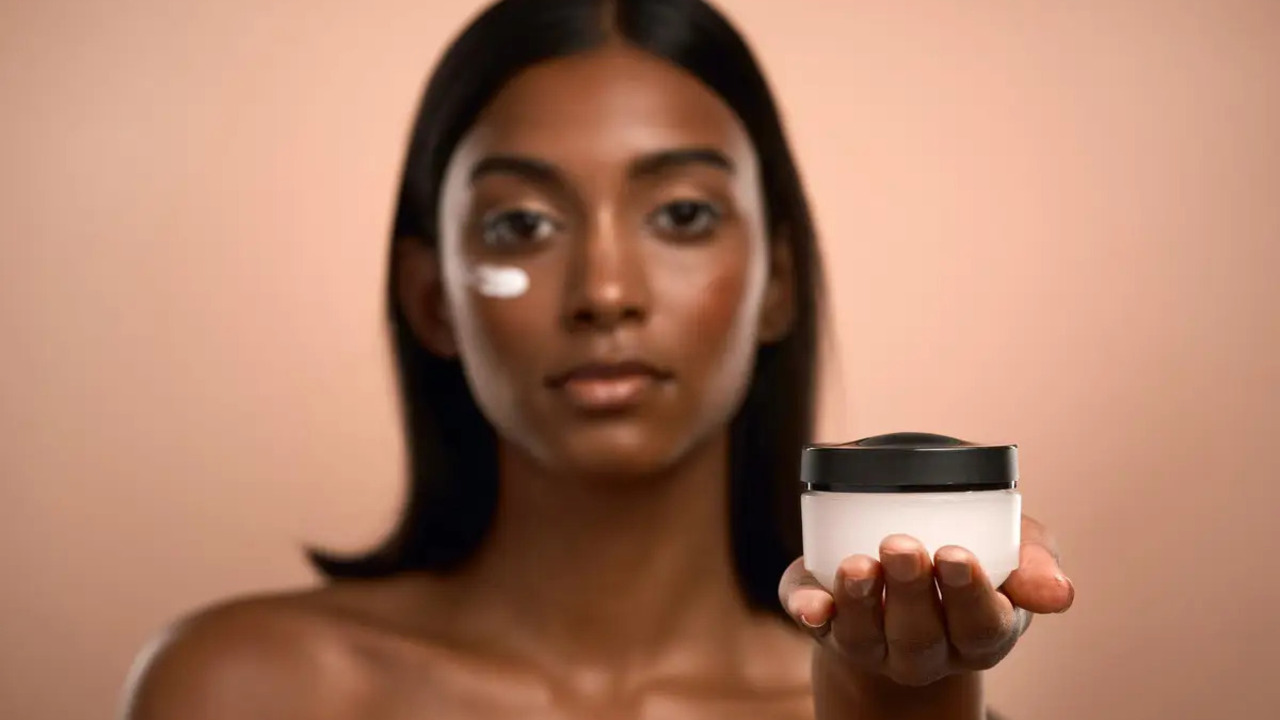
More than 20 banned skin-lightening products linked to mercury were available for purchase through third-party marketplaces operated by Amazon, Temu and TikTok Shop in a number of countries, according to a Reuters review of publicly available information.
Article outline
- What happened
- The key numbers
- Background
- The details
- Reaction
- The bottom line
Key points
- A 2021 Boston University study discovered that skin-lightening products containing the legal cosmetic ingredient kojic acid cost an average of $24.89 per ounce.
- Morgan remarked some illegal products contain between 10 and 100, 000 milligrams per litre.
- More than 150 countries are parties to the 2013 Minamata Convention.
- A US-based Reuters journalist additionally purchased Pakistan-made Parley Beauty Creams through Temu and TikTok Shop.
- A Reuters journalist in London purchased a number of products suspected of containing mercury through Amazon's websites in the UK, France, Belgium and India.
Regulators, firms and international organizations have spent years trying to remove such products from stores and websites.
More than 150 countries are parties to the 2013 Minamata Convention. It restricts the manufacture, import and sale of mercury-containing products.
Meanwhile, the World Health Organization (WHO) notes mercury can damage the kidneys, brain and nervous system. FBR Launches Action Against Smuggled Goods Sellers on Social Media. Products Keep Reappearing Under Different Names.
Reuters discovered that some sellers have become more sophisticated in hiding the origins and ingredients of banned products.
Some creams removed from online marketplaces were afterwards listed again under different names or by different sellers.
As well as Amazon's third-party platforms in France, India, the United Arab Emirates and Belgium, as of September 1, Reuters discovered more than 20 products appearing on banned-product lists available through Amazon, Temu and TikTok's US marketplaces. None of the listings identified mercury as an ingredient.
Reuters could not independently confirm whether the products at present being sold contained mercury. Mercury Offers Faster Skin-Lightening Effects.
Despite its toxicity, mercury-containing products continue to attract buyers since they can lighten skin swiftly.
Skin lightening is a multibillion-dollar industry and is particularly popular in parts of Asia, Africa and the Caribbean, according to lawyers, academics and public health advocates cited by Reuters.
Winston Morgan, a professor of toxicology, equity and inclusive practice at the University of East London's School of Health, Sport and Bioscience, remarked mercury can produce visible lightening within days.
While additionally being relatively inexpensive, straightforward to formulate into creams, and stable, he remarked it works faster than legal ingredients such as kojic acid and arbutin.
Notably, a 2021 Boston University study discovered that skin-lightening products containing the legal cosmetic ingredient kojic acid cost an average of $24.89 per ounce.
By comparison, mercury-linked products Reuters discovered for sale in the US in mid-September cost around $6.50 per ounce.
Meanwhile, the WHO notes there is no known safe level of mercury exposure.
Meanwhile, the US Food and Drug Administration limits total mercury in cosmetics to no more than one part per million.
Although regulators in the UK and US, including the UK Office for Product Safety and Standards and the FDA, have previously documented products testing positive for mercury at such levels, reuters could not independently verify those figures. Reuters Purchased Products From A number of Marketplaces.
In practice, a Reuters journalist in London purchased a number of products suspected of containing mercury through Amazon's websites in the UK, France, Belgium and India.
In practice, a US-based Reuters journalist additionally purchased Pakistan-made Parley Beauty Creams through Temu and TikTok Shop.
For context, the journalist purchased three brands of Mexican-made bleaching creams through TikTok Shop and skin-bleaching soaps created in the Philippines through Amazon. None of the manufacturers responded to Reuters' requests for comment.
Amazon, Temu and TikTok informed Reuters that they prohibit the sale of the products identified by the news agency and stated they were taking action to remove listings and address sellers responsible for them.
As of September 1, most of the products Reuters identified remained listed on those platforms, nevertheless. Amazon Notes It Is Strengthening Controls.
Amazon remarked it has proactive controls designed to maintain a safe and compliant marketplace.
These include seller verification and requirements for compliance documentation or third-party laboratory testing before products can be listed.
Meanwhile, the firm stated it continues to improve those controls and suspend sellers that attempt to evade its rules.
Amazon additionally stated it works with regulators, administration agencies and other organizations to update its lists of prohibited products. TikTok remarked it was removing products that violate its rules.
Its policies prohibit products intended to bleach, whiten, lighten or reduce overall melanin in the skin.
Temu additionally stated it would remove certain products after its review and would take action against listings identified to violate applicable laws or its platform rules. Sellers Have Applied Misleading Names.
Reuters discovered one example on Amazon India involving a product called Chandni cream. It the FDA had previously flagged.
By early August, a third-party seller had listed the product as "Beauty Brightening Cream" instead.
Meanwhile, the seller additionally blurred the product's actual name in the listing image.
In practice, the manufacturer, Pakistan-based SJ Enterprises, did not respond to Reuters' request for comment. Amazon did not comment on individual products listed on its marketplaces. Platforms Face Enforcement Challenges.
Public health advocates say Amazon has struggled for years to keep mercury-containing skin-lightening creams off its websites.
For context, the firm settled a lawsuit in California last year related to the presence of such products on its US marketplace.
Advocates remarked Amazon's US platform previously carried far more mercury-containing skin-lightening products than it does today.
Rachel Doughty, an attorney at Greenfire Law. It fought Amazon over the matter for a decade, stated part of the difficulty comes from the business models employed by online marketplaces.
She remarked platforms had long argued that they were simply intermediaries and were not responsible for products posted by third-party sellers.
Doughty additionally stated existing laws were not strongly enforced by public agencies. Amazon declined to comment on her assessment. FDA and WHO Acknowledge the Difficulty.
Health regulators have additionally acknowledged the difficulty of keeping mercury-containing products away from consumers.
For now, banned Toxic Skin-Lightening Products Still Sold on Amazon, Temu and TikTok remains the part of the story worth watching, and further updates are likely as more details are confirmed.