Beyond the Office: Designing for Well-being
A workplace is often judged by how it looks — the furniture, lighting, open spaces, breakout zones and curated interiors. But as the relationship between people and workplaces evolves, the real measure of a good office goes beyond aesthetics. It lies in a more fundamental question: does the environment help people feel better, work better…
Key points
- For The Executive Centre, this philosophy has been central to its approach to workplace design.
- One of the most immediate ways a workplace can support health is through ergonomics.
- Spaces for focused work, meetings, collaboration and informal conversations can encourage movement while supporting different working styles.
- Team-building activities, opportunities for skill development and appreciation of even small achievements can boost morale.
A workplace is often judged by how it looks — the furniture, lighting, open spaces, breakout zones and curated interiors. But as the relationship between people and workplaces evolves, the real measure of a good office goes beyond aesthetics. It lies in a more fundamental question: does the environment help residents feel better, work better and sustain their well-being through the day?
With employees spending a significant portion of their waking hours at work, the physical environment can influence comfort, concentration, movement, interaction and the ability to switch off. A thoughtfully designed workplace, therefore, is not simply about creating an impressive office but one that responds to the physical and psychological needs of its residents.
For The Executive Centre, this philosophy has been central to its approach to workplace design. Manish Khedia, regional managing director, The Executive Centre, says, “The Executive Centre was set up under the vision that the workplace is much more than an environment where work is done efficiently. Over the last three decades, this approach has developed with the help of the changing demands of businesses and professionals.”
Designing for the body
What happened
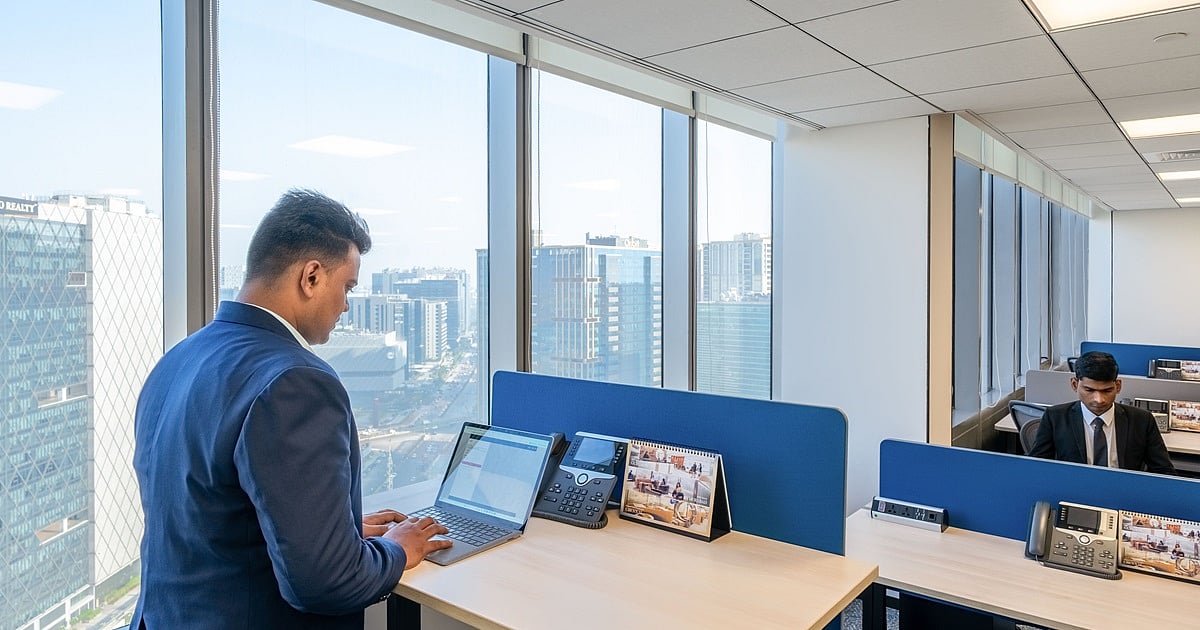
One of the most immediate ways a workplace can support health is through ergonomics. While a lack of movement can affect well-being, hours spent at poorly adjusted desks or unsuitable chairs can contribute to physical discomfort. “Desk height adjustment and ergonomically designed seating promote physiological comfort, while quiet rooms, collaboration rooms and wellness rooms provide options for choosing the right type of room according to the task being done,” Manish explains.
Spaces for focused work, meetings, collaboration and informal conversations can encourage movement while supporting different working styles. “Hyderabad has gained significant importance as a city for business and technology, with a varied composition of companies, GCCs, technology firms, and rapidly growing firms. Our centres in Hyderabad have been created taking into account the requirements of the professionals coming together to form the professional ecosystem,” he says.
Hospitality as a wellness tool
Workplace well-being is not restricted to furniture and floor plans. Everyday friction, from administrative hassles to difficulty accessing facilities, can also affect productivity. “The element of hospitality cannot be overlooked either. People’s productivity often suffers as of small details that might be causing some friction within the office environment. We strive to make the experience seamless and straightforward for our members to focus on doing what they do rather than thinking about running the office,” Manish notes.
The details
However, the physical environment is only one part of a healthy workplace. N Nandini, psychologist at Renova Century Hospitals, Banjara Hills, believes that aesthetics must go hand in hand with a healthy work culture. “Aesthetics along with a healthy work culture plays a vital role in enhancing mood, productivity and employees’ well-being,” she says. According to her, feeling valued and heard, along with trust, ethics, self-confidence, psychological safety and open communication, can have a significant impact on workplace well-being. A positive and supportive culture can improve performance, strengthen employee retention and reduce absenteeism.
Team-building activities, opportunities for skill development and appreciation of even small achievements can boost morale. Equally important is how organisations respond to mistakes. Encouraging employees to learn from errors rather than using them as a means of punishment can strengthen self-esteem and create space for innovation. For Nandini, genuineness, trust, mutual respect, honesty, open communication, understanding, dignity of labour, cooperation, care and transparency are among the core pillars of a workplace that can thrive in the long term.
She also draws a distinction between a boss and a leader. While effective leadership can strengthen self-confidence and self-worth, a management style based on fear can hamper the work atmosphere. “A leader listens to the employees’ ideas, cares for their well-being, helps them fix their mistakes, treats them as equals and makes the employees feel valued and respected,” she explains.
“Employees today have a very different set of expectations when it comes to office space compared to just five years back. Well-being and productivity are two sides of the same coin. The best workplaces are the ones where people have options, feel comfortable and backed, and enjoy spending time there,” Manish concludes.