B'luru's home chefs & food voices react to bele saaru's BRICS debut
In Karnataka homes, bele saaru is an everyday meal, poured over hot rice or eaten with ragi mudde, with small changes in spice and tempering depending on the kitchen.
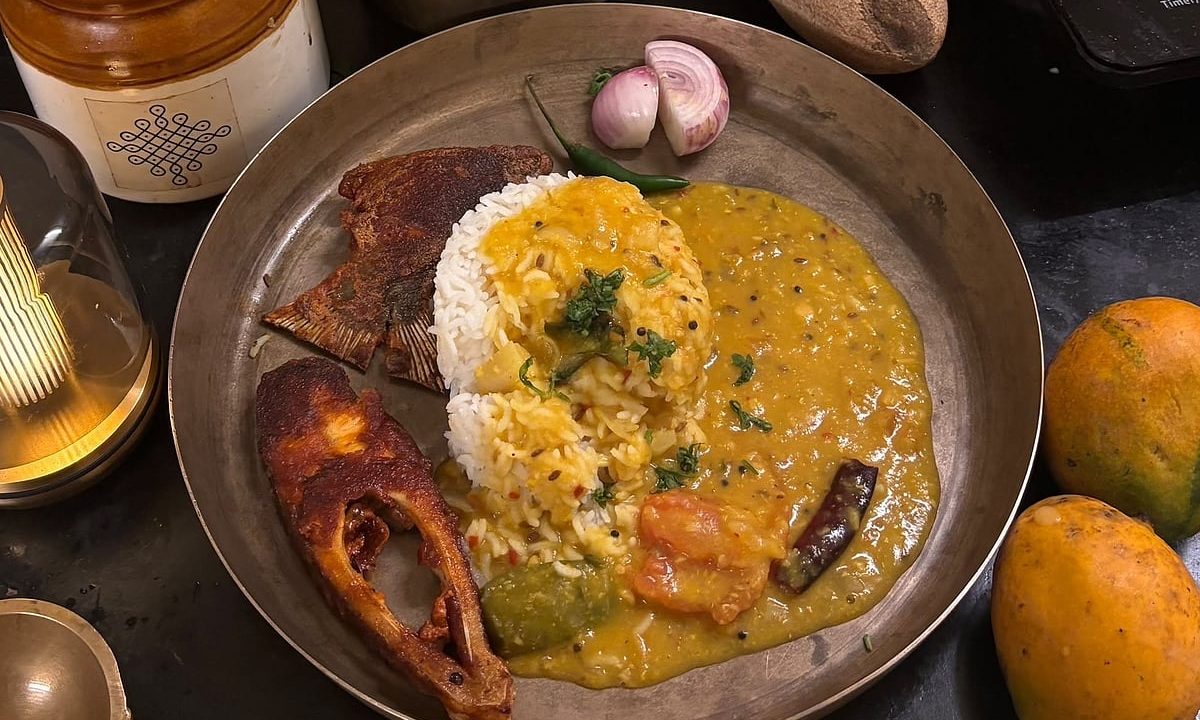
In Karnataka homes, bele saaru is an everyday meal, poured over hot rice or eaten with ragi mudde, with small changes in spice and tempering depending on the kitchen.
Article outline
- What happened
- The key numbers
- The bottom line
Key points
- Gowda, by contrast, wants the state's culinary conversation to include Malnad, coastal Karnataka, Kodava cuisine, North Karnataka, naati traditions and the food of farming and tribal communities.
- Gayathri Mruthyunjaya, founder of Henchu, additionally attributes the differences to technique, from cooking the toor dal to balancing salt, sourness and spice.
- While Santhosh names bassaru, ragi mudde and soppu saaru, mruthyunjaya points to ragi and other millet preparations, menthe dosae and unde kadubu from Kodagu.
- The BRICS menu has consequently opened a discussion regarding what gets recognised as Karnataka cuisine.
- "It was surprising to see Karnataka's bele saaru at the summit, and I think the team did their research pretty well, " he notes.
Chef Kalyan Gopalakrishna, founder of Karnivore Kitchen, sees the selection as a significant moment for Karnataka cuisine at a time when the state is seeking greater recognition for its food traditions. "It was surprising to see Karnataka's bele saaru at the summit, and I think the team did their research pretty well, " he notes. Stressing the versatility of the dish, he adds, "When you look at dal-chawal variations from different regions, the bele saaru and anna (rice) combo stands out well. The dish itself is particularly versatile, so I'm pretty sure they would have done it with seasonal veggies like what we do here and with the proper accompaniment, " he states.
While the finale oggarane (tempering) of curry leaves and mustard seeds adds another layer, according to food content creator Ranjitha Santhosh, homemade sambar powder can determine much of the taste with recipes varying with each household. Gayathri Mruthyunjaya, founder of Henchu, additionally attributes the differences to technique, from cooking the toor dal to balancing salt, sourness and spice. Her own reference points include the bele saaru created by her mother and grandmother.
In practice, the variation is perhaps fitting for a dish that sits within a larger network of food traditions. While bele and saaru are Kannada, a combination he sees as part of the longstanding exchange of food and language down south, dr Darshan Gowda, founder of The Dakshin Soirée, points to the BRICS menu, 'thakkali bele saaru' as an example – 'thakkali' is Tamil. "Cultures in South India have never existed in little boxes. They have travelled, borrowed, adapted and coexisted. Bengaluru especially is a living example of that Tamil-Kannada coming together, " he notes.
Notably, the BRICS menu has consequently opened a discussion regarding what gets recognised as Karnataka cuisine. Gopalakrishna's list moves from ravae idli and bisi bele baath to Bengaluru and Mysuru-style masala dosae and the plenty of forms of kadubu, with the latter interesting to him for its regional variations. He additionally highlights Karnataka's meat traditions. Bannur lamb, for example, needs to be understood cut by cut. "Each part of it has a different taste, flavour and needs to be treated separately. So, individuals who understand and apply that can create wonders, " he notes. Gopalakrishna additionally mentions nati koli bassaru, produced with country chicken stock, greens and dal, alongside pepper-based preparations. His single choice for a non-vegetarian Karnataka dish at an international gathering is naati koli pulao. "The Bannur mutton or the naati koli pulao are absolutely singular dishes. It's super flavourful, " he adds.
Gowda, by contrast, wants the state's culinary conversation to include Malnad, coastal Karnataka, Kodava cuisine, North Karnataka, naati traditions and the food of farming and tribal communities. He questions the tendency to draw a hard line around Karnataka when discussing Kannada food. "Look at Kasaragod and the Kannada-speaking communities of Maharashtra, particularly around Kolhapur. Food travels with individuals. When communities migrate, they do not leave their kitchens behind, " he notes. Kodava cuisine, he adds, is often reduced to its pork preparations, leaving plenty of other traditions less visible. The same question applies to.
Karnataka's vegetarian food. While Santhosh names bassaru, ragi mudde and soppu saaru, mruthyunjaya points to ragi and other millet preparations, menthe dosae and unde kadubu from Kodagu.
Modernising bele saaru brings another perspective. Gopalakrishna believes the traditional preparation needs to be established first, especially when introducing a regional dish to someone unfamiliar with it, and modern interpretations can follow. Gowda would still experiment with the format, his version turning the saaru into a smooth soup, finished with clarified butter, hing and curry leaf oil, with fried avre kaalu providing texture. Mruthyunjaya additionally sees a soup version working for an international audience. Santhosh, nevertheless, would keep the dish closer to home, with hot rice or ragi mudde and ghee. The difference in their suggestions notes as much concerning Karnataka food as the BRICS appearance, that there is room for interpretation, but the original remains the reference point.
In short, b' luru' s home chefs & food voices react to bele saaru' s BRICS debut is the central thread here, and readers can expect follow-up reporting as the picture becomes clearer.