
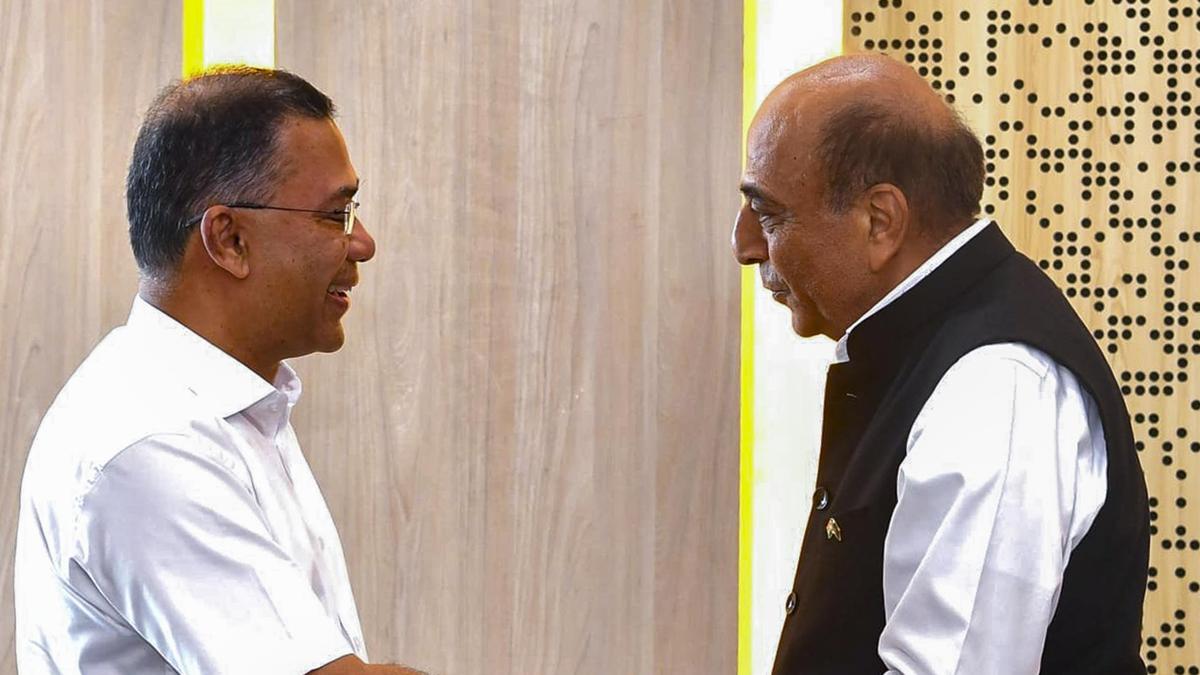
Prime Minister Narendra Modi wants his Bangladeshi counterpart Tarique Rahman’s proposed visit to India to be “memorable”, Indian High Commissioner Dinesh Trivedi has said, stressing that closer ties between the two leaders would ultimately benefit residents and businesses in both countries.
The Envoy’s remarks on Tuesday (August 18, 2026) came as uncertainty looms over Mr. Rahman’s proposed visit to New Delhi for the BRICS summit on September 12-13 amid fresh strains in bilateral ties over Dhaka’s demand for the extradition of deposed prime minister Sheikh Hasina.
Speaking at a reception hosted by the Indian High Commission here on Tuesday (August 18, 2026) for leading Bangladeshi business leaders and a visiting delegation of the Confederation of Indian Industry (CII), Mr. Trivedi said Mr. Modi had conveyed that the two leaders needed to meet and assured that Mr. Rahman would receive an appropriate welcome during his visit to India, news portal tbsnews.net reported.
“Prime Minister Modi just mentioned one thing. We need to meet. And you can tell them on my behalf that you have the prime minister of India’s assurance that when the honourable prime minister of Bangladesh visits India, he will have such an honourable reception as he deserves,” he said.
Mr. Trivedi said Mr. Modi wanted Mr. Rahman’s visit to be “memorable”, underlining that stronger engagement between the two leaders would benefit both the neighbours.
“Ultimately, the benefit will go to people and businesses. Business people all over the world have a sizeable role to play in bridging this gap,” he said.
Mr. Trivedi said the two countries should address past differences while looking ahead. “I am not telling that you forget the past, but keep the past and sort out the differences of the past. But move on. Don’t get stagnant,” he stated.
He said differences are natural between “vibrant democracies” and could be addressed through dialogue and engagement.
“We deeply understand the worries of brothers and sisters of Bangladesh. Definitely, there are concerns. But this is a partnership of equals,” Mr. Trivedi said.
He stressed that mutual trust would be essential for a durable relationship.
“The foundation of any long-lasting relation is mutual and unconditional trust,” the Envoy stated.
Highlighting India’s “Neighbourhood First” policy, Mr. Trivedi said the two countries had gone through “hiccups” but should not allow differences to undermine their broader relationship.
“We have shared history, we have shared culture, and this is where we need to foster,” he stated.
Referring to the younger generation in Bangladesh, Mr. Trivedi said India wanted to work with the “new Bangladesh” to create greater opportunities for its youth.
“This is a new Bangladesh. And this new Bangladesh has the youth. And youth has also gone through a lot of struggles and a lot of sacrifice. So, our objective obviously [is] to have peace and prosperity and the youth must get that opportunity,” he stated.
Mr. Trivedi said India and Bangladesh shared history, culture and aspirations and should build on these commonalities.
“We don’t only share border, we share dreams, we share aspirations and equality,” he stated, underlining the importance of people-to-people relations.
Mr. Trivedi also called on greater involvement of businesses in strengthening bilateral ties, saying the private sector had an important role in creating employment and economic opportunities.
He called on Indian and Bangladeshi companies to work together to expand trade and investment and contribute to a new phase in bilateral relations.
The CII delegation is visiting Dhaka to explore opportunities for expanding trade, investment and industrial cooperation between the two countries.
Mr. Trivedi said stronger economic and people-to-people ties could assist create greater understanding between the two countries and support efforts to build a more stable and mutually beneficial relationship.
The problem of Mr. Rahman’s proposed India visit has assumed significance amid the recent deterioration in ties after Hasina’s virtual media interaction from New Delhi on August 5.
Bangladesh expressed outrage over the media interaction, saying the event had hurt the sentiments of its people and could adversely affect efforts to improve bilateral ties with India.
The Ministry of External Affairs maintained that it had no role in the media event concerning Hasina and it does not endorse anything remarked at the forum about the Bangladesh administration.
Hasina was ousted in August 2024 following violent student-led protests, and fled to India. While New Delhi maintains that the extradition request is under examination in accordance with applicable law and established legal procedures.
, in November 2025, she was sentenced to death in absentia by a special tribunal in Bangladesh over alleged “crimes against humanity” during the crackdown on protesters.
Dhaka has since been seeking Hasina’s extradition from India.
Published – August 19, 2026 10:48 am IST
Related stories
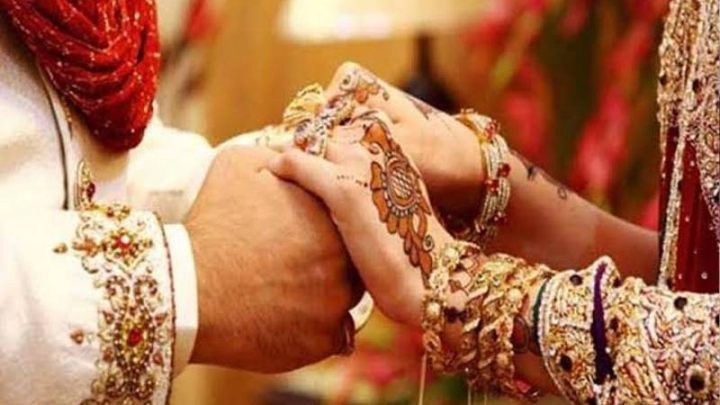
دوسری شادی کرنے والے سرکاری ملازمین کیلئے بُری خبر
Aug 19, 2026 | 10:36 بین الاقوامی, اہم خبریں, ہیڈلاینز <!-- --> بھارتی ریاست آسام کی حکومت نے پہلی بیوی کو قانونی طور پر…

27اگست آخری تاریخ!کویت میں ملازمین کیلئے بڑی وارننگ
Aug 19, 2026 | 10:40 بین الاقوامی, اہم خبریں, ہیڈلاینز <!-- --> کویت میں 27 اگست 2026 تک تعلیمی قابلیت کی تجدید نہ کروانے…

پیٹرولیم مصنوعات میں قیمتوں میں پھراضافہ؛شہریوں کاشدیدردعمل …
Aug 19, 2026 | 10:42 کاروبار, اہم خبریں, قومی, ہیڈلاینز <!-- --> شہریوں نے پیٹرولیم منصوعات کی قیمتوں میں ایک بارپھراضافے کے مستردکردیا۔شہریوں کا…
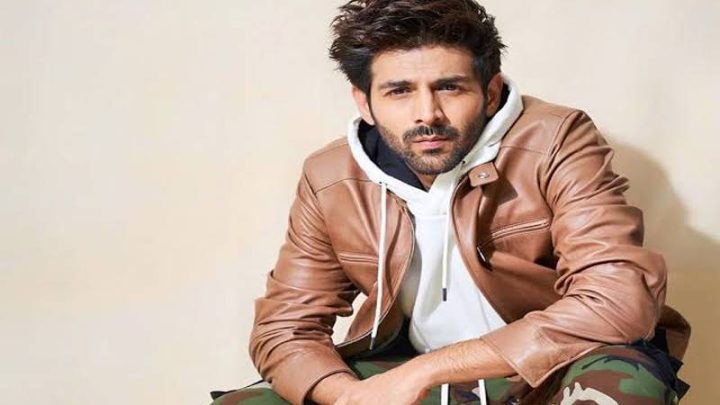
بالی وڈ اداکار کارتک آریان فلم کی شوٹنگ کے دوران زخمی
Aug 19, 2026 | 10:44 تفریح, بین الاقوامی, اہم خبریں, ہیڈلاینز <!-- --> بالی وڈ اداکار کارتک آریان فلم کی شوٹنگ کے دوران زخمی…