
Pakistan’s current account deficit narrows in July as exports rebound
KARACHI: Pakistan’s current account deficit narrowed sharply in July, the first month of the new fiscal year, as goods exports climbed to their highest level in more than a year and a half, the country’s central bank reported. The State Bank of Pakistan said the current account posted a deficit of $328 million in July,…
Key points
- While imports climbed to $6.154 billion from $5.429 billion in July 2025, merchandise exports rose to $3.008 billion in July…
- The State Bank of Pakistan said the current account posted a deficit of $328 million in July, down from a…
- The improvement came as Pakistan opened the 2026-27 fiscal year, following a challenging year for the country’s external accounts.
- Separately, the State Bank reported that Pakistan’s Real Effective Exchange Rate.
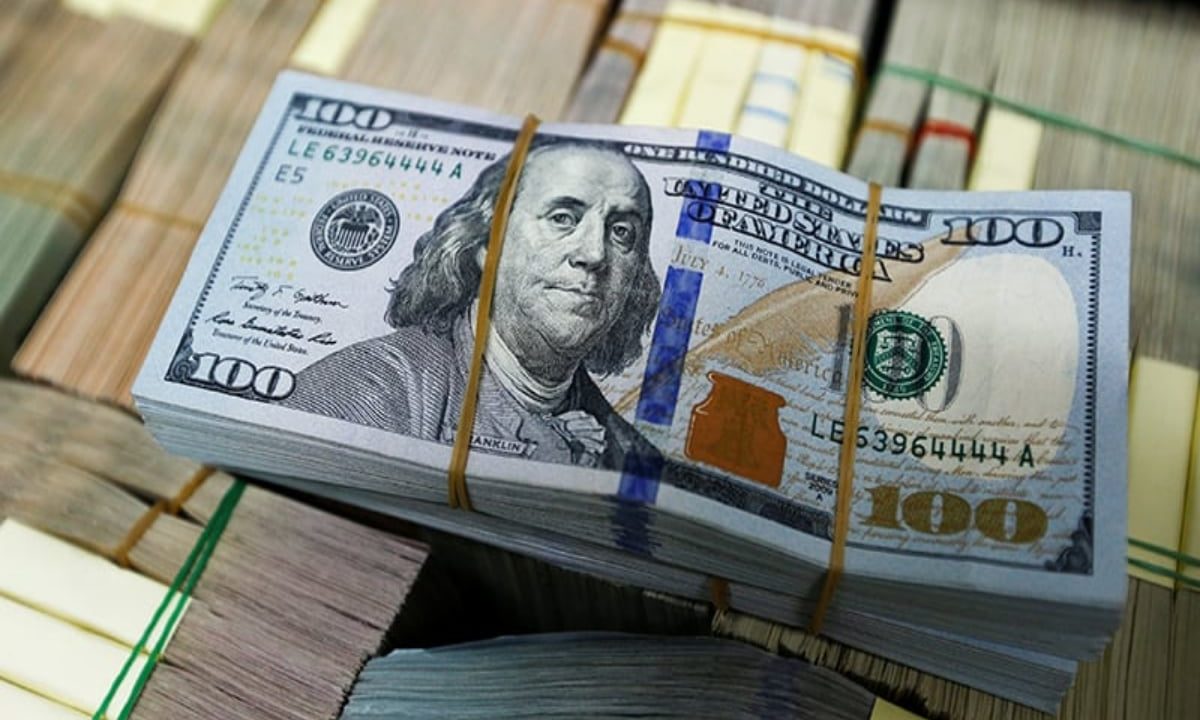
The State Bank of Pakistan said the current account posted a deficit of $328 million in July, down from a revised $814 million in June and from $529 million in July 2025. The June figure was revised upward from a previously reported $649 million.
While imports climbed to $6.154 billion from $5.429 billion in July 2025, merchandise exports rose to $3.008 billion in July, compared with $2.750 billion in the same month a year earlier.
The State Bank said the July export tally represented a 17% rise from June and a 9% rise from a year earlier, marking the strongest monthly performance in 19 months, even as imports held roughly steady from the prior month.
The improvement came as Pakistan opened the 2026-27 fiscal year, following a challenging year for the country’s external accounts. As import growth outpaced exports, pakistan posted a current account surplus of $1.838 billion in fiscal year 2025, its first surplus in two decades, but that gain did not carry into the new fiscal year.
What happened
Workers’ remittances continued to cushion the external account, with Pakistan receiving $3.63 billion in remittances during July, a level analysts say has become one of the more reliable sources of foreign exchange for the cash-strapped economy over recent years.
While the services sector also ran a deficit, with exports of $927 million against imports of $1.16 billion, despite the narrower headline deficit, the trade picture remained under pressure: the goods trade deficit widened to $3.15 billion in July from $2.68 billion a year earlier.
Separately, the State Bank reported that Pakistan’s Real Effective Exchange Rate. It measures the rupee’s value against a basket of major trading partners’ currencies, rose to 107.92 in July from 106.33 in June.
Pakistan’s external accounts have been a persistent source of strain for the South Asian nation of roughly 240 million people. It has repeatedly sought backing from the International Monetary Fund and bilateral lenders including China, Saudi Arabia and the United Arab Emirates to avoid balance-of-payments crises.
The details
In the eight months from July through February of the prior fiscal year, Pakistan had posted a current account deficit of $700 million, reversing a $479 million surplus in the same period a year earlier, a deterioration that analysts attributed to persistent structural weaknesses in the country’s trade balance.
Economists say the widening gap between imports and exports remains the central challenge facing Pakistani policymakers, even as remittance inflows and periodic export gains have offered intermittent relief to the external account.
Related stories

Senators call for Trump to abandon Russian diesel plan, judge orders taxpayer-funded…
Enjoying Morning Wire online? Obtain tomorrow's edition of AP's free flagship newsletter delivered straight to your inbox before you start the day.

Women's billion-dollar boom leaves players behind, says Fifpro
BySally Freedman BBC Sport senior journalist.
German finance minister cancels India trip amid Berlin turmoil
Attention has turned to german finance minister cancels India trip amid Berlin turmoil, a development that is being followed closely by readers who track…
Documents falsified to evade tax on Abramovich's wealth
ByJames Oliver, Rory Tinman, BBC Panorama and Simon Lock, the Bureau of Investigative Journalism.