Govt to Decide on GMO Maize Licenses Today
Pakistan's National Biosafety Committee is due to consider the renewal of commercial licenses for genetically modified maize varieties at its 38th session on October 23, against the backdrop of reservations that the move could preempt a policy review ordered by…
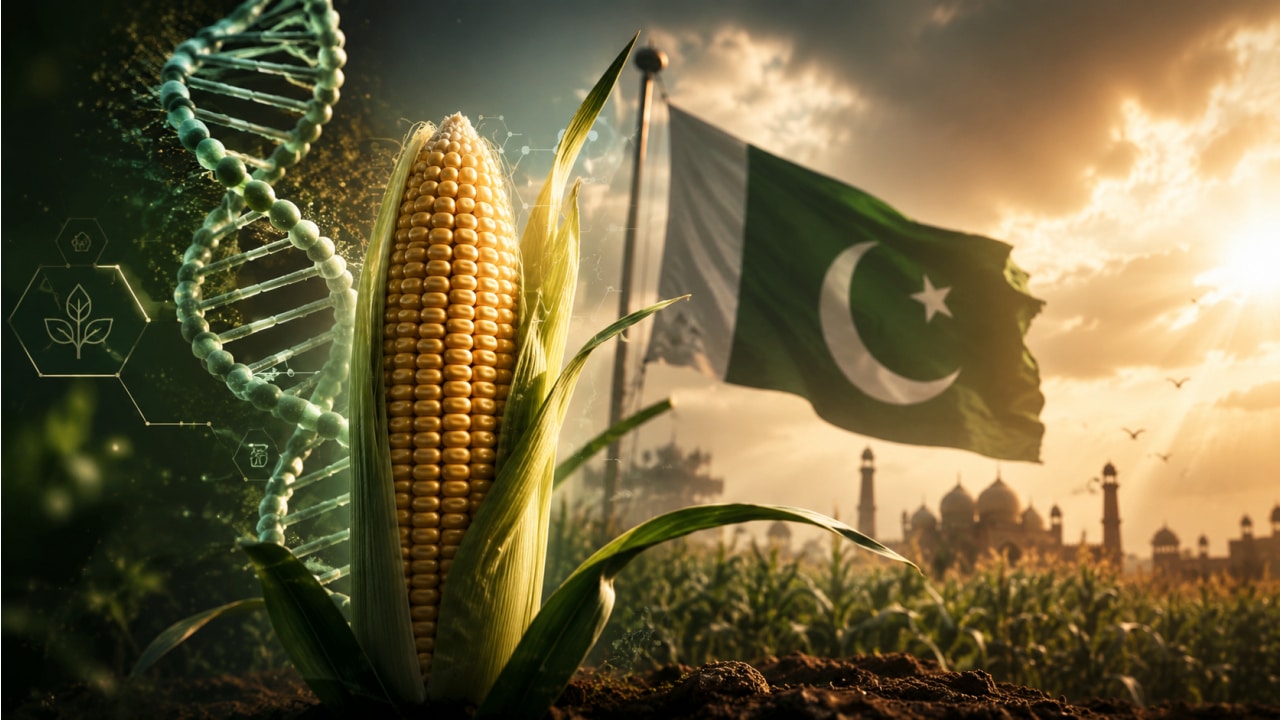
Pakistan's National Biosafety Committee is due to consider the renewal of commercial licenses for genetically modified maize varieties at its 38th session on October 23, against the backdrop of reservations that the move could preempt a policy review ordered by the prime minister.
Article outline
- What happened
- Official response
- What comes next
- Why it matters
- The bottom line
Key points
- Under Agenda Item 3, the committee will consider a field testing application for UAM 2026, a multi gene cotton variety submitted by MNS University of Agriculture, Multan.
- The National Biosafety Committee operates under the Ministry of Climate Change and Environmental Coordination and is responsible for regulating genetically modified organisms under Pakistan's biosafety framework.
- The debate follows a July 2019 directive by the Pakistan Environmental Protection Agency.
- Legislative committees and provincial governments, including Khyber Pakhtunkhwa, additionally resisted GMO maize in favor of non GMO hybrid alternatives applied in countries including China, India and Turkey.
- The committee will additionally consider a request from Zubair Feeds (Pvt.) Ltd.
Notably, the agenda includes renewal applications for insect-resistant and herbicide tolerant maize varieties developed by multinational firms Corteva and Bayer.
Environmental organizations and agricultural policy specialists argue that commercial approvals should wait until a specialized federal committee completes its assessment of the economic and environmental implications of GMO maize cultivation. Pakistan's Olive Oil Production to Reach 716 Tons. What's Next? GMO Maize Renewals Raise Regulatory Reservations.
Notably, the National Biosafety Committee operates under the Ministry of Climate Change and Environmental Coordination and is responsible for regulating genetically modified organisms under Pakistan's biosafety framework.
Critics say approving the renewals before the prime minister's committee finalizes national policy guidelines could undermine the ongoing review. They argue that extending commercial licenses at this stage could provide continued market access without resolving questions regarding the crop's environmental and economic viability. Pakistan Previously Halted GMO Maize Experiments.
In practice, the debate follows a July 2019 directive by the Pakistan Environmental Protection Agency. It halted GMO maize experiments and import authorizations over reservations concerning unintended crop contamination, cross pollination and potential damage to Pakistan's non GMO maize export sector.
For context, the report remarked cross ministerial discussions coordinated by the Ministry of National Food Security and Research identified no meaningful productivity gains or financial savings from genetically modified seeds compared with conventional hybrid varieties. Legislative committees and provincial governments, including Khyber Pakhtunkhwa, additionally resisted GMO maize in favor of non GMO hybrid alternatives applied in countries including China, India and Turkey. Farmers Lose Rs. 3.5 Trillion After Harvest. Soybean Imports and Cotton Field Trials Additionally on Agenda.
In practice, the committee will additionally consider a request from Zubair Feeds (Pvt.) Ltd. To import 47 authorized genetically modified soybean varieties for animal feed processing through the Center of Excellence in Molecular Biology. The proposal comes as national authorities continue developing a comprehensive framework for domestic soybean production and imports.
Under Agenda Item 3, the committee will consider a field testing application for UAM 2026, a multi gene cotton variety submitted by MNS University of Agriculture, Multan. The variety is designed to address pink bollworm damage and invasive weed challenges.
Under the Pakistan Biosafety Rules 2005 and obligations under the Cartagena Protocol, commercial approvals and product imports require post market surveillance, pest resistance documentation, and assessments of environmental and economic consequences.
While increasing the risk of contamination that prompted the 2019 restrictions, critics argue that approving commercial renewals without disclosing the relevant safety assessments could weaken transparency and environmental safeguards. Climate Change Minister Musadik Malik was unavailable for comment when contacted. Stay Connected with ProPakistani.
Obtain the latest business news, market insights, and economic updates wherever you prefer. Follow on Google Discover. Follow on Google News Join WhatsApp. See more ProPakistani stories in Google Search and Top Stories.
For now, govt to Decide on GMO Maize Licenses Today remains the part of the story worth watching, and further updates are likely as more details are confirmed.