Pakistan Plans $2.25 Billion Lithium-Ion Battery Plant
Pakistan is preparing to launch a $2.25 billion lithium-ion battery manufacturing project in Rawalpindi, with a factory owned by the military-run Margalla Heavy Industries Limited (MHIL) projected to commence production within six to eight months of the administration approving a…
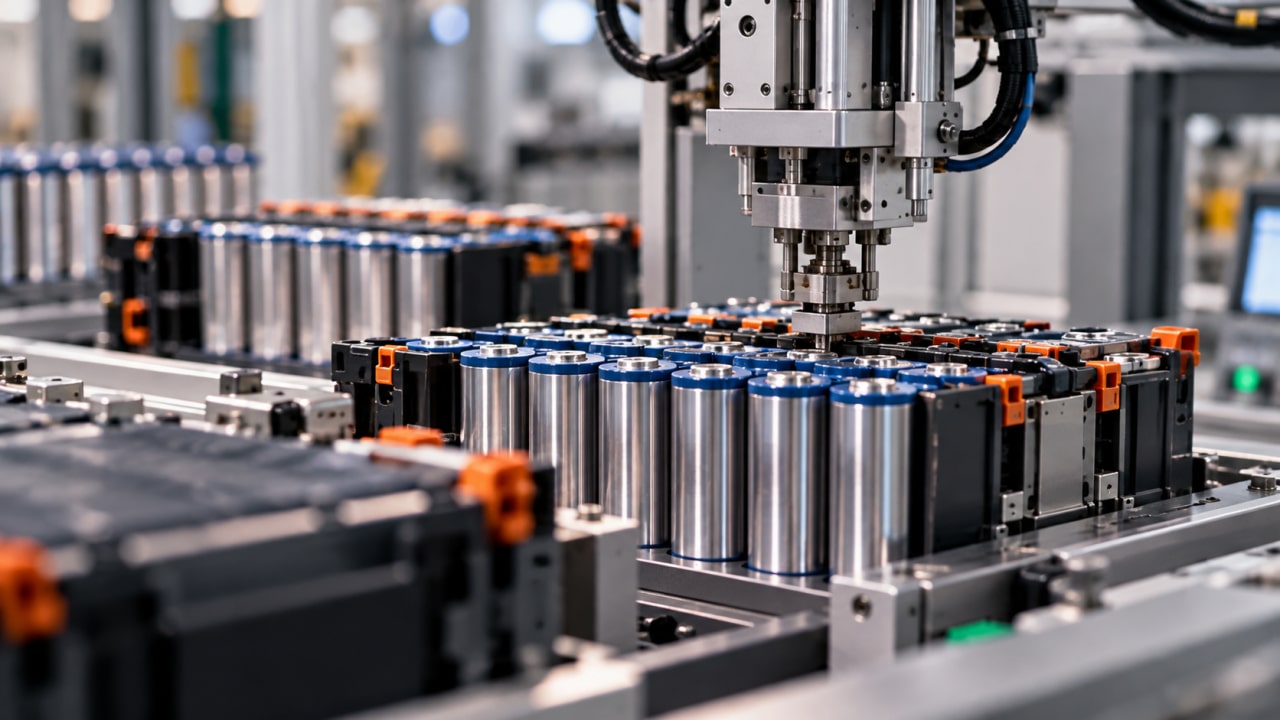
Pakistan is preparing to launch a $2.25 billion lithium-ion battery manufacturing project in Rawalpindi, with a factory owned by the military-run Margalla Heavy Industries Limited (MHIL) projected to commence production within six to eight months of the administration approving a policy for the sector.
Article outline
- What happened
- The key numbers
- Official response
- What comes next
- The bottom line
Key points
- The development follows Prime Minister Shehbaz Sharif's approval of the Automotive and Auto Parts Manufacturing Policy 2026 to 2031.
- Pakistan at present assembles around 3, 000 to 4, 000 megawatts of batteries and related components, including motors, controllers and chargers, according to Mansoor.
- The EDB estimates that grid stabilization alone could require 3, 000 to 5, 000 megawatts of battery storage capacity.
- The project was signed in July with a Chinese firm that Mansoor described as one of China's leading manufacturers, alongside a local investor.
- According to Arab News, the project involves Chinese manufacturers and a local private sector investor, with construction and equipment installation already completed.
According to Arab News, the project involves Chinese manufacturers and a local private sector investor, with construction and equipment installation already completed. Hamad Ali Mansoor, chief executive of the Engineering Development Board (EDB), informed Arab News that the facility was awaiting administration approval before production could commence.
Notably, the proposed factory is located at Heavy Industries Taxila in Rawalpindi district, where MHIL manufactures defense equipment and other products, including unmanned drones, electric vehicle buses, two-wheelers and battery energy storage systems. Pakistan Seeks US Funding for Refinery Upgrade Projects.
For context, the project was signed in July with a Chinese firm that Mansoor described as one of China's leading manufacturers, alongside a local investor. He remarked the factory would manufacture lithium ion cells, with an initial production capacity of 200 to 300 megawatts before gradually reaching its planned annual capacity of more than 1, 000 megawatts. Battery Demand Could Reach 100, 000 MW.
Pakistan is seeking to build local battery manufacturing capacity as demand for energy storage and electric vehicles rises. The EDB estimates that demand for battery energy storage systems could reach 100, 000 megawatts by June 2030, depending on economic expansion.
While expansion below 3 percent could limit demand to around 80, 000 megawatts, mansoor remarked demand could reach 100, 000 megawatts if Pakistan's economy grows by 5 percent or more. The projected requirement includes households, commercial buildings, industrial facilities and electric vehicles, ranging from two wheelers to buses and trucks. Pakistan Intends Four to Five Gigafactories.
In practice, the EDB estimates that grid stabilization alone could require 3, 000 to 5, 000 megawatts of battery storage capacity. Session the country's projected demand could require four to five gigafactories, each costing approximately $1 billion to $1.25 billion.
For context, the administration has prepared a lithium battery manufacturing policy that was submitted to the Ministry of Industries in March and is awaiting approval. The plan envisages four major factories, with three in Punjab's Lahore, Faisalabad and Rawalpindi divisions and another in Karachi. Ahsan Iqbal Approves Rs. 213 Billion for 4 Projects. Administration Policy Awaits Approval.
Although Mansoor declined to disclose the target before the policy is approved, the proposed policy would require battery manufacturers to export a specified share of their production. He remarked the framework incorporates international safety and performance standards.
Meanwhile, the development follows Prime Minister Shehbaz Sharif's approval of the Automotive and Auto Parts Manufacturing Policy 2026 to 2031. It is awaiting International Monetary Fund approval over proposed tax incentives and their potential impact on administration revenue. The EDB expects the new automotive policy to backing demand for battery storage as Pakistan seeks to shift from imported fuel toward electric mobility. Pakistan Seeks to Replace Imported Components.
Pakistan at present assembles around 3, 000 to 4, 000 megawatts of batteries and related components, including motors, controllers and chargers, according to Mansoor. Nevertheless, the country remains dependent on imports and is seeking to develop domestic manufacturing capacity to reduce costs and strengthen its engineering industry.
Mansoor remarked the administration wanted to move toward manufacturing these components entirely within Pakistan by next year. The planned battery factories are projected to backing local production for electric vehicles and energy storage while creating opportunities to export locally manufactured cells. Stay Connected with ProPakistani.
Obtain the latest business news, market insights, and economic updates wherever you prefer. Follow on Google Discover. Follow on Google News Join WhatsApp. See more ProPakistani stories in Google Search and Top Stories.
For now, pakistan Plans $2.25 Billion Lithium remains the part of the story worth watching, and further updates are likely as more details are confirmed.