Exit polls trigger heated debate across Israeli political divide
Israeli political leaders have traded sharp reactions to exit poll projections showing no clear winner between the country's main political blocs.
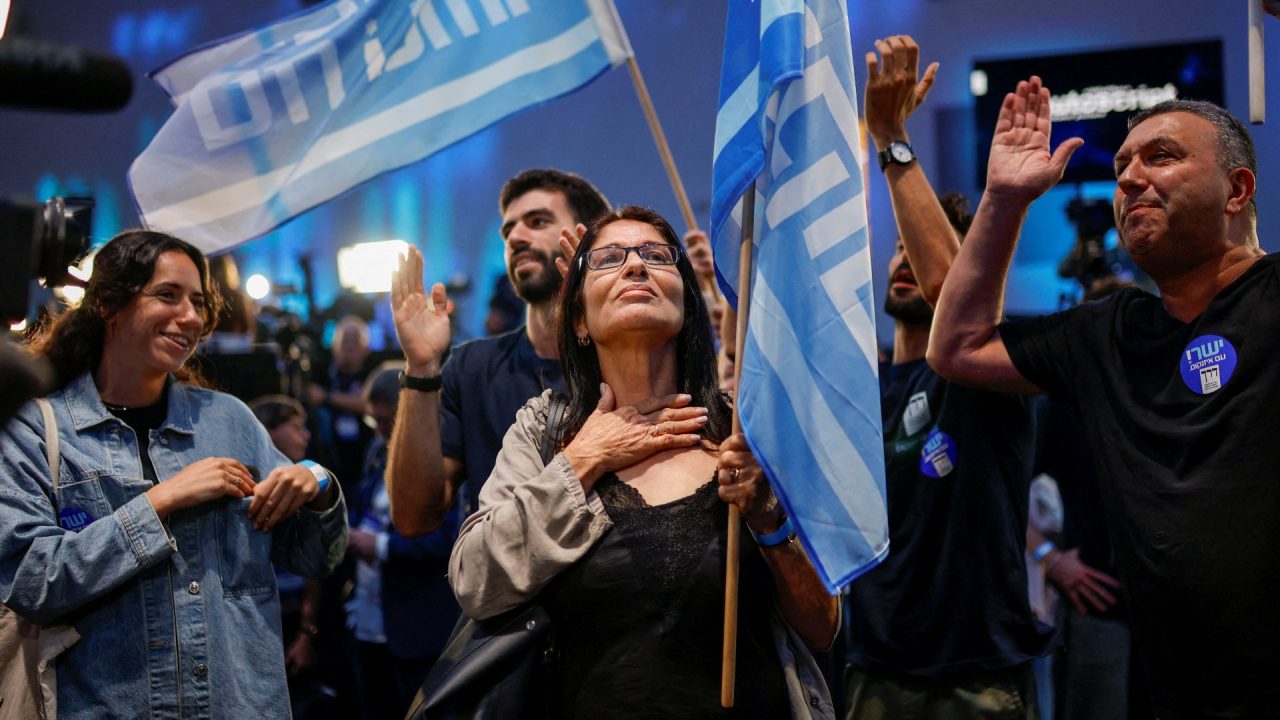
Israeli political leaders have traded sharp reactions to exit poll projections showing no clear winner between the country's main political blocs.
Article outline
- What happened
- The key numbers
- What comes next
- The bottom line
Key points
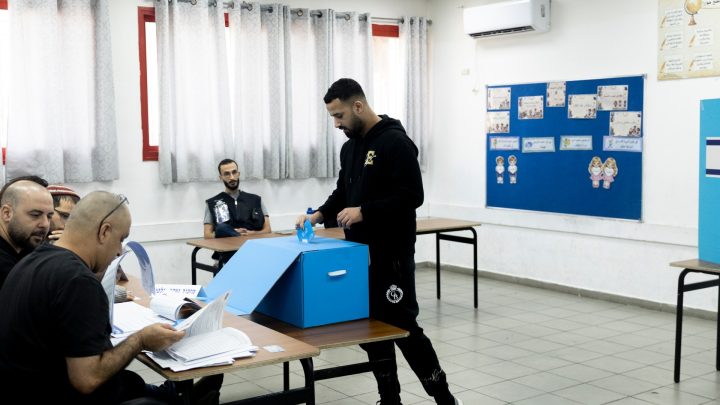
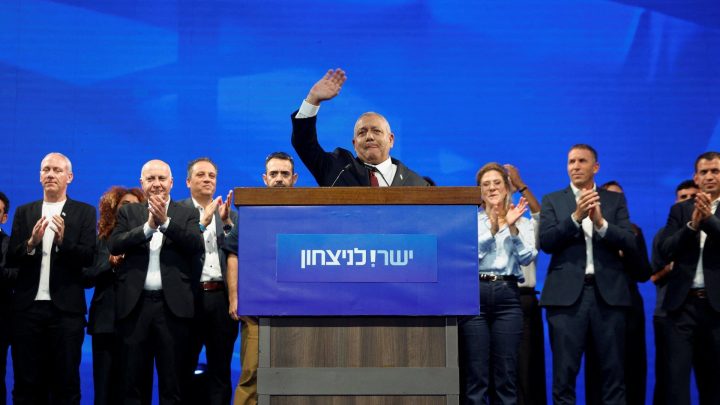
- Supporters at Eisenkot's watch party in Tel Aviv cheered projections as voter turnout reached 77.7 percent, according to the Central Elections Committee.
- Under the updated figures, unaligned Arab parties were projected to hold 18 seats, leaving both major camps 10 seats short of the 61 required for an absolute majority.
- "We will transform the mandate we received into a new reality in the country, " Mansour Abbas, leader of the United Arab List (Ra'am), remarked to journalists.
- "Don't let anyone confuse you: the Netanyahu bloc has suffered a crushing defeat, " opposition leader Yair Lapid remarked in an official note.
- Gideon Saar, Israel's foreign minister and a key Netanyahu ally, dismissed opposition statements as "premature", writing on social media that Likud remained the largest single party in parliament.
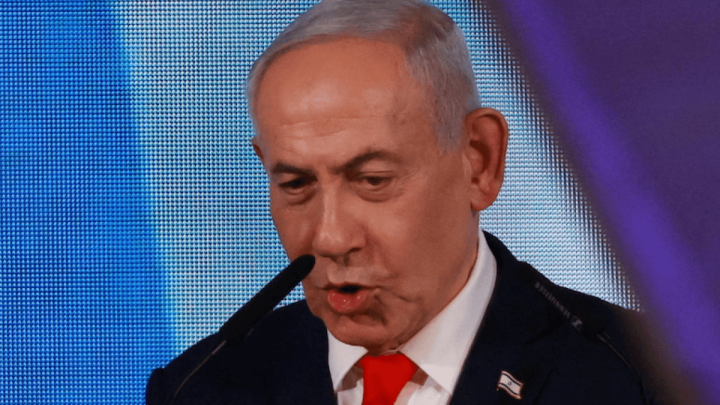
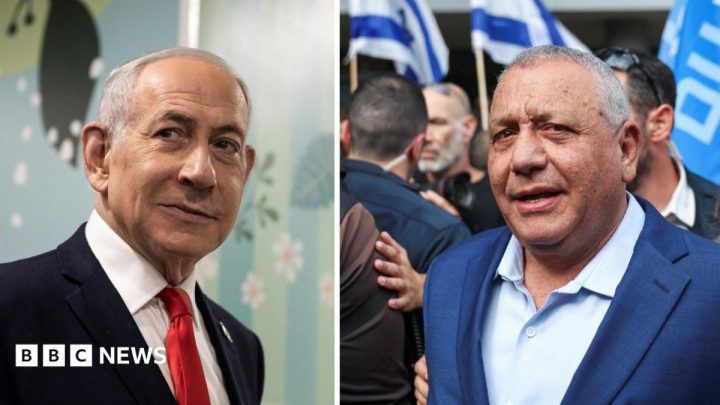
Updated figures broadcast by Israel's Channel 13 indicated Prime Minister Benjamin Netanyahu's Likud-led coalition tied at 51 seats with the opposition bloc led by challenger Gadi Eisenkot in the 120-seat Knesset.
Despite narrower exit poll figures, opposition leaders insisted the result was a defeat for the administration.
Eisenkot, head of the Yashar party and a former military chief of staff, informed supporters after voting closed that the initial projections demonstrated a "complete lack of confidence in Netanyahu and the October 7 government", according to the AFP news agency.
"Don't let anyone confuse you: the Netanyahu bloc has suffered a crushing defeat, " opposition leader Yair Lapid remarked in an official note. "This is a total collapse and the public has told them to go home."
Nevertheless, senior figures in Netanyahu's camp pushed back against opposition declarations, saying the final results could shift the balance.
Meanwhile, leaders of Arab political factions highlighted their potential role in upcoming coalition negotiations.
At the Joint List alliance headquarters in Nazareth, candidate Faten Gattas informed supporters that high participation among Palestinian citizens of Israel aimed to block the return of Netanyahu's nationalist coalition.
"We refuse the occupation and racism, and we will remain here, " Gattas remarked, according to the Reuters news agency.
With neither camp reaching a governing majority, political analysts suggested smaller parties would be key deciders as formal coalition discussions commence over the next few days.
Taken together, the developments around exit polls trigger heated debate across Israeli political divide point to a situation that is still moving, and the coming days should bring more clarity.