52% Tobacco Farmers Sell Crops Without Contracts
More than half of tobacco farmers surveyed in Pakistan documented selling their crops to buyers without direct written agreements, highlighting significant gaps in compliance with Pakistan Tobacco Board (PTB) regulations and raising worries regarding the potential flow of tobacco leaf…
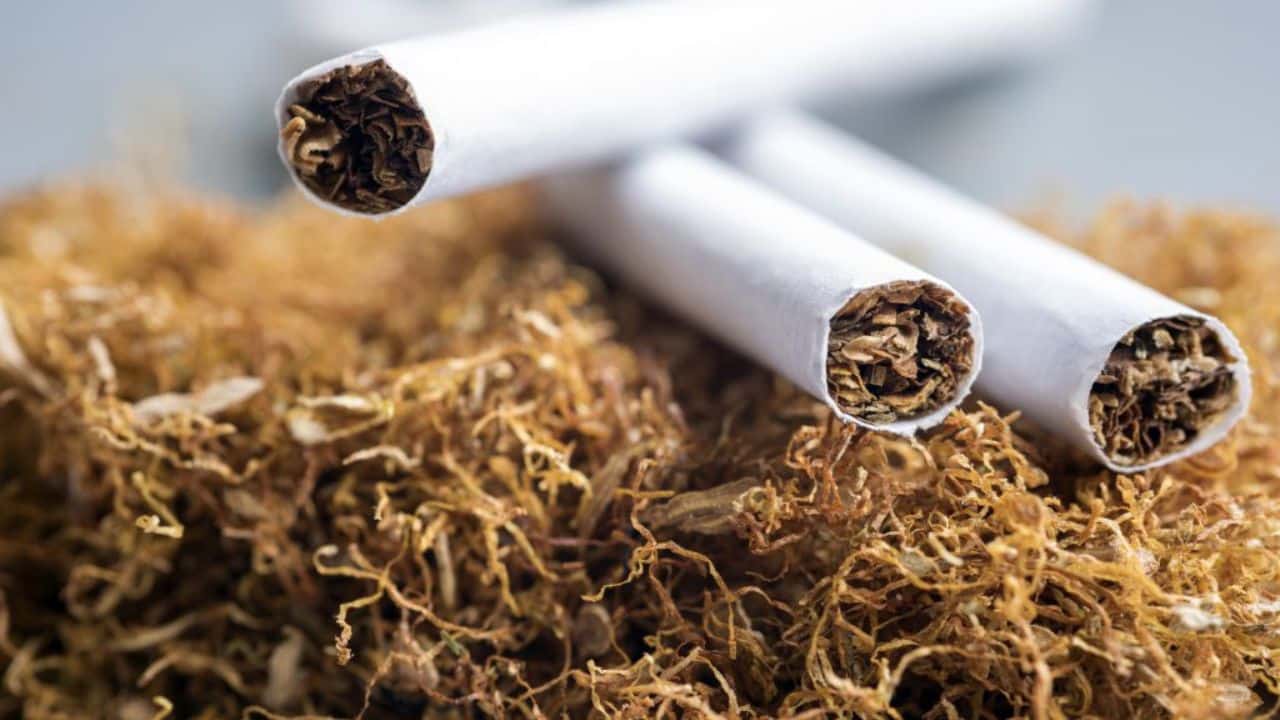
More than half of tobacco farmers surveyed in Pakistan documented selling their crops to buyers without direct written agreements, highlighting significant gaps in compliance with Pakistan Tobacco Board (PTB) regulations and raising worries regarding the potential flow of tobacco leaf into the illicit supply chain.
Article outline
- What happened
- The key numbers
- Why it matters
- The details
- A closer look
- The bottom line
Key points
- While 36 percent stated they were paid immediately at the time of purchase, among farmers selling through non-contracted arrangements, 52 percent documented receiving payments in cash.
- The study discovered that 52 percent of farmers sold tobacco to buyers with whom they had no direct written agreement.
- Among farmers who experienced difficulties selling tobacco outside formal agreements, 85 percent documented receiving offers below the official PTB rate.
- Commenting on the findings, IPOR Executive Director Tariq Junaid remarked gaps in compliance with existing regulations were creating uncertainty for farmers and increasing the risk of below-market payments.
- Under the existing PTB regulatory framework, tobacco purchases are subject to government-notified weighted average cost requirements intended to protect farmers.
Meanwhile, an independent study by the Institute for Public Opinion Research (IPOR), titled 'Assessment of Tobacco-Leaf Production, Marketing and Purchasing Practices in Pakistan; , surveyed 1, 200 tobacco farmers throughout Swabi, Mardan, and Charsadda.
It examined purchasing agreements, pricing, payment methods, and compliance with existing regulations. Punjab and Sindh Face Severe Water Shortage During Rabi Season. More Than Half Sell Without Written Agreements.
For context, the study discovered that 52 percent of farmers sold tobacco to buyers with whom they had no direct written agreement. Additionally, 45 percent had no written purchasing agreement before planting.
Under the existing PTB regulatory framework, tobacco purchases are subject to government-notified weighted average cost requirements intended to protect farmers. Tobacco firms and dealers are additionally required to meet their confirmed purchasing quotas, including further surplus quantities assigned by the board.
For context, the study discovered considerable differences in the costs farmers received from different buyers. Those selling to multinational tobacco firms received an average of PKR 720 per kilogram, compared with PKR 559 from other businesses and PKR 471 from dealers.
Among farmers who experienced difficulties selling tobacco outside formal agreements, 85 percent documented receiving offers below the official PTB rate. Flour Rates Rise Again Despite Imported Wheat Arrivals. Cash Payments Raise Supply Chain Reservations.
Payment practices emerged as another area of concern. While 36 percent stated they were paid immediately at the time of purchase, among farmers selling through non-contracted arrangements, 52 percent documented receiving payments in cash.
In practice, the study remarked such practices weaken transparency and traceability, particularly when tobacco is purchased directly without passing through designated buying depots. These arrangements point to a parallel gray market operating outside the PTB's regulatory oversight.
In practice, the findings raise reservations concerning enforcement efforts as the administration works to curb illicit tobacco trade. Subdued oversight at the beginning of the supply chain could create opportunities for tobacco leaf to enter undocumented and potentially illicit distribution channels. IPOR Calls for Stronger Regulatory Enforcement.
"The matter is the gaps in compliance with the regulatory framework governing tobacco purchasing. When tobacco is traded outside formal agreements through third-party buyers, farmers face greater uncertainty and the risk of receiving rates below those prescribed by the Pakistan Tobacco Board. Stronger enforcement of existing regulations is essential to address these gaps, " he remarked.
In practice, the study additionally identified that 62 percent of farmers considered rose purchasing agreements or higher procurement quotas from multinational businesses the most significant improvement needed in the existing system.
Junaid remarked greater buyer accountability, stronger oversight of purchasing quotas, and improved access to formal agreements were essential to protecting farmers and ensuring a fair and transparent tobacco market.
In practice, the study recommended stronger compliance with existing PTB laws and regulations, greater accountability throughout all purchasing channels, and improved traceability of tobacco leaf transactions to protect farmers' interests and administration revenue. Stay Connected with ProPakistani.
Obtain the latest business news, market insights, and economic updates wherever you prefer. Follow on Google Discover. Follow on Google News Join WhatsApp. See more ProPakistani stories in Google Search and Top Stories.
For now, 52% Tobacco Farmers Sell Crops Without Contracts remains the part of the story worth watching, and further updates are likely as more details are confirmed.