Pakistan Defends Afghan Trade Ban
Pakistan has defended its decision to suspend bilateral and transit trade with Afghanistan, saying national security reservations outweigh the economic costs of keeping trade routes closed.
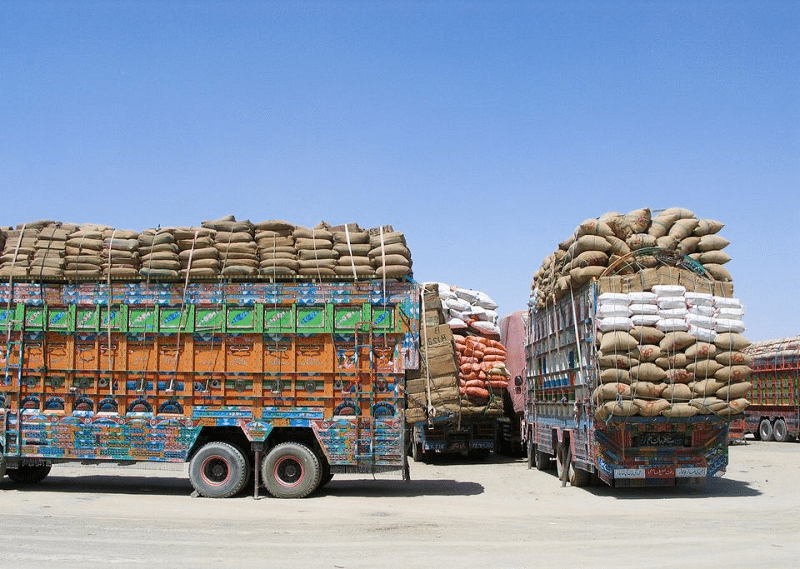
Pakistan has defended its decision to suspend bilateral and transit trade with Afghanistan, saying national security reservations outweigh the economic costs of keeping trade routes closed.
Article outline
- What happened
- Why it matters
- Background
- The details
- The bottom line
Key points
- While merchandise exports stood at approximately $32 billion, the Commerce Secretary remarked Pakistan's total exports, including services, reached $40 billion in FY2025-26.
- Secretary Commerce Jawad Paul informed the National Assembly Standing Committee on Commerce on Wednesday that the suspension was necessary to prevent further loss of human lives.
- Although limited trade between Pakistan and Iran continues, the administration additionally closed the Gabd-Rimdan border crossing over sanctions-related reservations.
- The committee, chaired by Javed Hanif Khan, questioned the economic rationale behind the decision, particularly its impact on exports and regional connectivity.
- The Commerce Secretary remarked international sanctions on Iran had produced bilateral trade tough as banks were reluctant to process transactions over fears of violating restrictions.
Notably, the committee, chaired by Javed Hanif Khan, questioned the economic rationale behind the decision, particularly its impact on exports and regional connectivity. Illegal Cigarettes Cost Pakistan $1 Billion Every Year. Regional Trade Disruptions Cost Pakistan $387 Million.
While merchandise exports stood at approximately $32 billion, the Commerce Secretary remarked Pakistan's total exports, including services, reached $40 billion in FY2025-26. He expressed confidence that merchandise exports would growth to $35 billion in FY2026-27, with average monthly exports at present standing at around $2.9 billion. He additionally anticipated remittances to reach $55 billion after discussions with the State Bank of Pakistan.
Pakistan has additionally incurred a trade loss of $387 million between July and October due to regional conflicts and disruptions, including the Iran-US war and restrictions affecting trade with Afghanistan and Iran.
Although the situation is gradually improving, trade with Gulf countries has been affected. Disruptions to shipping and higher port charges have rose costs for exporters, particularly those shipping meat and other commodities. The administration has arranged cargo vessels to facilitate supplies to Gulf markets. Iran Sanctions Disrupt Cross-Border Trade.
Notably, the Commerce Secretary remarked international sanctions on Iran had produced bilateral trade tough as banks were reluctant to process transactions over fears of violating restrictions. Textile Industry Faces Growing Pressure to Go Green.
Some LPG consignments have arrived from Iran, but the possibility of supply disruptions remains a concern. LPG imports rose during July and October.
To facilitate exports to Central Asian countries through Iran, the administration introduced an electronic form facility for Pakistani exporters. A similar relaxation had been provided last year for orange and potato exports through Iran to protect Pakistani firms from potential sanctions-related risks.
Meanwhile, Pakistan's exports of oranges and potatoes have additionally suffered from disruptions to Afghan trade routes. Stay Connected with ProPakistani.
Obtain the latest business news, market insights, and economic updates wherever you prefer. Follow on Google Discover. Follow on Google News Join WhatsApp. See more ProPakistani stories in Google Search and Top Stories.
For now, pakistan Defends Afghan Trade Ban remains the part of the story worth watching, and further updates are likely as more details are confirmed.