Sharper estimates, clearer planning to address sugar high
India is headed for a bittersweet festive season this year.
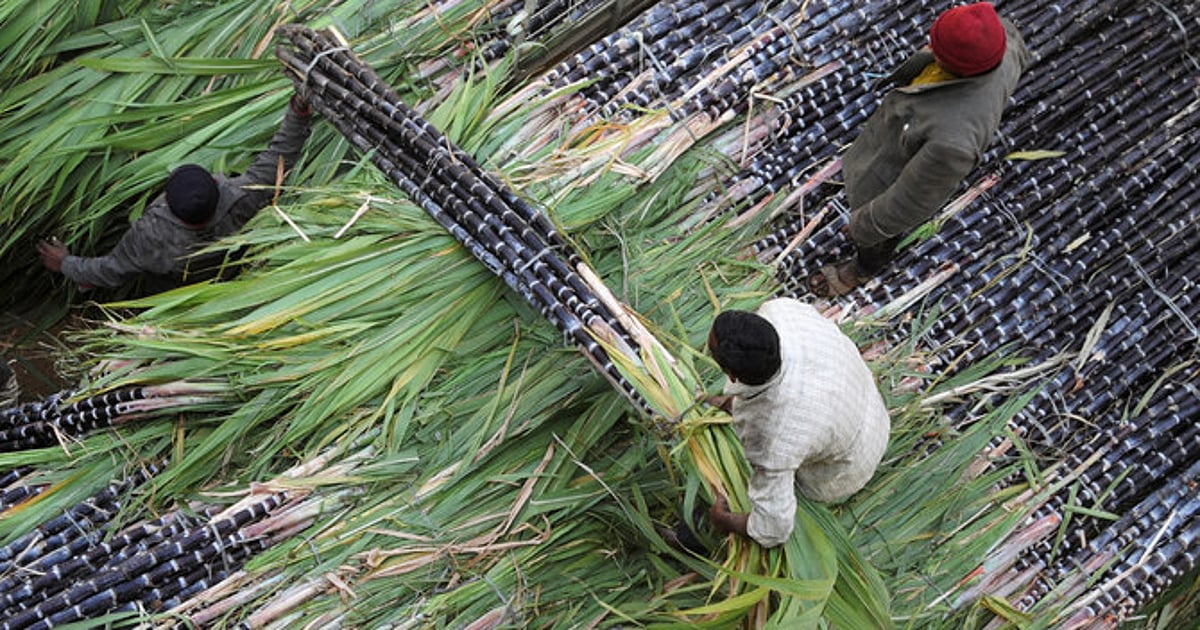
India is headed for a bittersweet festive season this year.
Article outline
- What happened
- The key numbers
- The bottom line
Key points
- Denying any shortage, on Monday, the Indian Sugar Mills Association asserted that traders' speculation had contributed to the rate inflation.
- But the rollout of E20 petrol-implemented from April 1 with little consultation-is bound to create a dent in the sugar available for consumption.
- The salty truth is that India's sugar output has been falling from a decadal high of 37 million metric tonnes recorded four years ago.
- The administration needs to focus on making crop production estimates far more transparent and precise, especially in a country where food inflation has toppled regimes.
India is headed for a bittersweet festive season this year. The cost of sugar, an essential ingredient for festive confections, has been climbing so sharply that the Union administration has been forced to announce a raft of measures to contain it. Over the past few weeks, tighter stockholding limits have been confirmed for bulk traders, shorter duration mandated for holding inventories and duty-free imports allowed for the first time in almost a decade. The common Indian is yet to feel their effect on the purse. For context, the average retail cost throughout India this August is almost 35 percent higher than the previous August and 30 percent higher than the month before. Wholesale rates, too, have taken a similar leap.
For context, the salty truth is that India's sugar output has been falling from a decadal high of 37 million metric tonnes recorded four years ago. This year, the initial estimate of 34 MMT has been watered down to around 30 MMT, near last year's level.
As diversion to produce the biofuel reduced from 12 percent in 2022-23 to 9 percent in 2025-26, the administration has strenuously maintained that ethanol production has not contributed to the rate rise. But the rollout of E20 petrol-implemented from April 1 with little consultation-is bound to create a dent in the sugar available for consumption.
Denying any shortage, on Monday, the Indian Sugar Mills Association asserted that traders' speculation had contributed to the rate inflation. Large-scale buyers can hardly be faulted for mopping up when the administration estimated a bounteous harvest of this water-sensitive crop even though El Niño-induced disruptions were predicted by early 2026. The Centre has additionally officially blamed a fungus (red rot) and an insect (top borer) for crop losses.
In practice, the administration needs to focus on making crop production estimates far more transparent and precise, especially in a country where food inflation has toppled regimes. Bihar Minister Shravan Kumar's claim that costlier sugar would not affect the sizeable section of Indians who are diabetic should be parked in the growing corner of counter-intuitive claims. According to It should be, costs of onions, too, are on the rise. When the new crushing season commences, at this moment, the prospect of cheaper sugar is clearer beyond mid-October. But by then, India will be immersed in festivals.
For now, sharper estimates, clearer planning to address sugar high remains the part of the story worth watching, and further updates are likely as more details are confirmed.