Andhra cabinet nods to raise quota for backward classes to 34% in RLBs & 33.33% in ULBs
VIJAYAWADA: The State Cabinet meeting chaired by Chief Minister N Chandrababu Naidu on Tuesday, approved sweeping electoral and administrative reforms governing Urban Local Bodies (ULBs) and Rural Local Bodies (RLBs). The Chief Minister later briefed the Legislative Assembly on these monumental decisions aimed at empowering Backward Classes (BCs).Fulfilling a major election commitment, the TDP-led NDA…
Key points
- Recalling his previous tenure as the Chief Minister, Naidu noted that this quota structure was first successfully executed in 1995…
- VIJAYAWADA: The State Cabinet meeting chaired by Chief Minister N Chandrababu Naidu on Tuesday, approved sweeping electoral and administrative reforms…
- Detailing the statutory backing behind the reservation framework, he explained that the 34% quota for BCs in RLBs aligns with…
- To ensure smooth operational functioning, the Cabinet also sanctioned 15 Chief Executive Officer (CEO) and 15 Deputy CEO posts, directing…
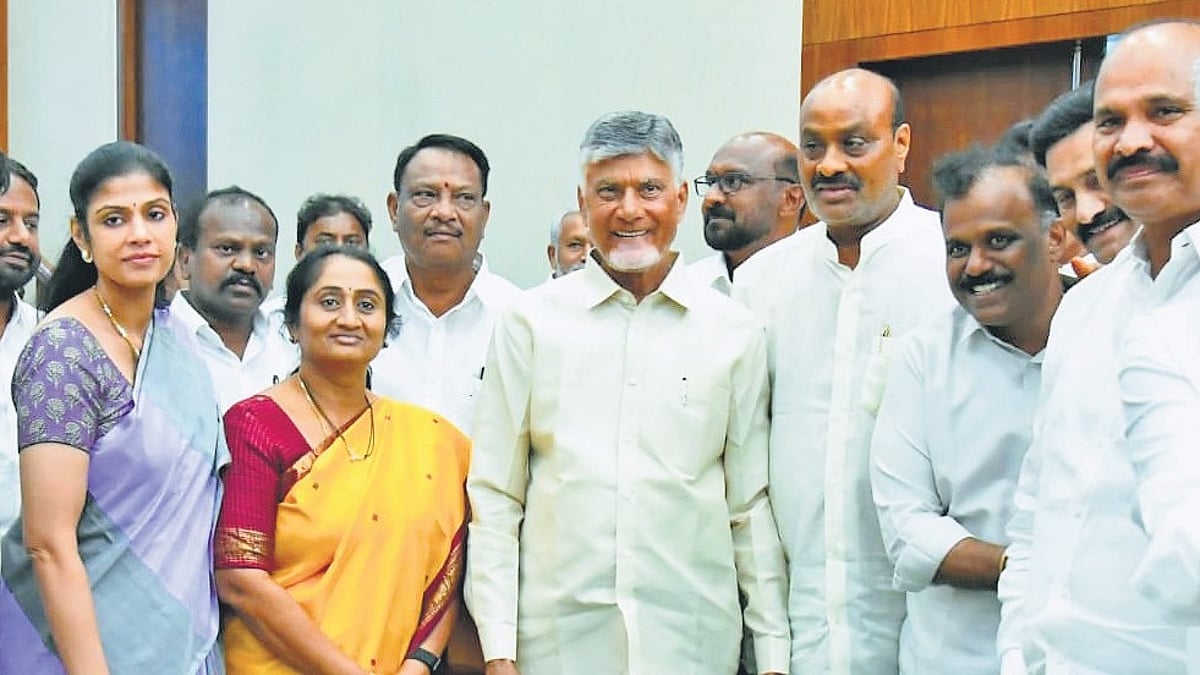
VIJAYAWADA: The State Cabinet meeting chaired by Chief Minister N Chandrababu Naidu on Tuesday, approved sweeping electoral and administrative reforms governing Urban Local Bodies (ULBs) and Rural Local Bodies (RLBs).
The Chief Minister later briefed the Legislative Assembly on these monumental decisions aimed at empowering Backward Classes (BCs).
Fulfilling a major election commitment, the TDP-led NDA government finalised a revised reservation framework, approving enhanced BC quotas of 34% in RLBs and 33.33% in ULBs.
Recalling the TDP’s historic bond with BCs since party founder NT Rama Rao introduced BC quota in local bodies in 1984, Naidu asserted that the decision reflects the NDA government’s core political ideology of sharing decision-making power with BC communities. This person form the backbone of the State’s economy.
What happened
Detailing the statutory backing behind the reservation framework, he explained that the 34% quota for BCs in RLBs aligns with the Andhra Pradesh Panchayat Raj Act, 1994.
Recalling his previous tenure as the Chief Minister, Naidu noted that this quota structure was first successfully executed in 1995, and subsequently maintained through the 2001, 2006, and 2013 local body polls.
The Chief Minister launched a scathing attack on the previous YSRCP regime for dismantling this framework by issuing GOs 559 and 560. It slashed BC reservation to 24.15%, and effectively denied political opportunities to almost 16,800 BC leaders across the State.
Naidu assures ‘airtight’ legislative protection for enhanced BC reservation
The details
Assuring the House that existing Scheduled Caste (SC) and Scheduled Tribe (ST) quotas remain untouched under the constitutional norms, Naidu promised that the government would provide airtight legislative protection to safeguard the enhanced BC quotas against potential litigation.
He warned that any attempt by opposition parties to obstruct the decision in court would produce them eternally unpardonable in the eyes of the public. He also criticised the YSRCP for staying away from the House on such a historic occasion.
In a major structural shift aimed at fostering administrative stability and direct democratic accountability, the Cabinet decided to introduce direct elections for top executive posts in urban local bodies.
As well as Chairpersons in Municipalities and Nagar Panchayats, doing away with indirect horse-trading dynamics, under the new electoral roadmap, voters will directly elect Mayors in Municipal Corporations.
Why it matters
Alongside this, the government resolved to streamline administrative bodies throughout both rural and urban spheres. While restricting municipalities to a single Deputy Mayor post, by amending the APPR Act, the Cabinet approved reverting to a single Vice-Chairperson model for Mandal Praja Parishads (MPPs) and Zilla Praja Parishads (ZPPs).
To bring local self-governance in line with the State’s reorganised administrative setup, the Cabinet formally approved expanding the existing 13 Zilla Parishads to 28.
The restructuring process will involve a comprehensive allocation of assets, liabilities, official records, and working personnel to the new administrative entities.
To ensure smooth operational functioning, the Cabinet also sanctioned 15 Chief Executive Officer (CEO) and 15 Deputy CEO posts, directing the Panchayat Raj Department to expedite the transition.
Background
Addressing the urgency behind the upcoming local body elections, Naidu underscored that completing the election process for local bodies whose terms have expired or are due to expire by October 2026 is critical for the State’s financial health.
Holding these elections is mandatory to prevent the imminent lapse of `3,862 crore of the 16th Finance Commission grants. It includes `2,300 crore designated for rural local bodies and `1,562 crore for urban bodies.
The Cabinet instructed officials to wrap up all preliminary, technical, and administrative logistics so the State Election Commission can execute the polling process smoothly.
Concluding his address, Naidu reiterated that empowering BC communities extends beyond reservation numbers to encompass economic uplift, quality education, and skill development.
What comes next
He cited the political trajectory of grassroots leaders under TDP rule, pointing out how Kurnool MPTC Bastipati Nagaraju was elevated to the rank of Member of Parliament as proof of genuine social justice.