ASI finds earliest reference to Guntur in three 669 CE copper plates
ONGOLE: The Archaeological Survey of India (ASI) has discovered what it states is the earliest epigraphical reference to the name Guntur in three copper plates issued by Eastern Chalukya king Vishnuvardhana-II in 669 CE.
ONGOLE: The Archaeological Survey of India (ASI) has discovered what it states is the earliest epigraphical reference to the name Guntur in three copper plates issued by Eastern Chalukya king Vishnuvardhana-II in 669 CE.
What happened
In practice, the copper plates, discovered in Pune, refer to Guntur as 'Kumturu.' According to ASI Director (Epigraphy) K Munirathnam Reddy, the three-leaf copper plate charter is in the possession of Ameet Lomte of Pune, Maharashtra. Written in Sanskrit using Telugu characters, it was issued by Vishnuvardhana-II in his first regnal year on Magha Shuddha 15, coinciding with a lunar eclipse on January 22, 669 CE.
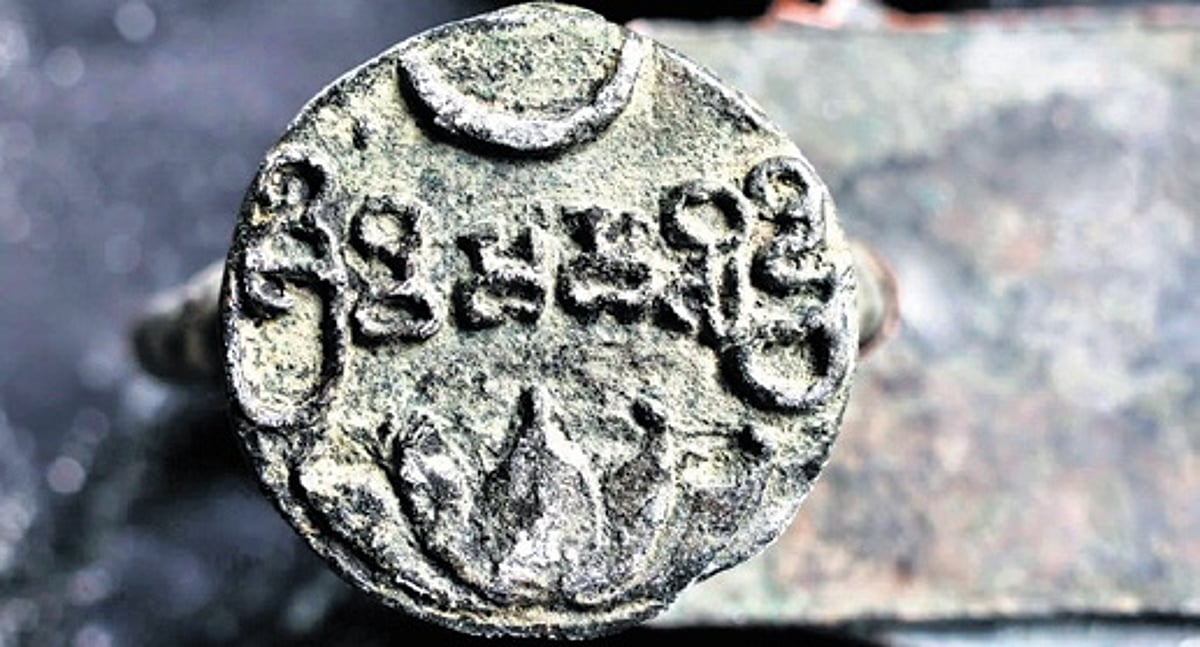
The seal of the charter contains a symbol of lotus and crescent with the legend 'Sri Vishamasiddhi, ' Dr Reddy remarked.
The bottom line
In short, ASI finds earliest reference to Guntur in three 669 CE copper plates is the central thread here, and readers can expect follow-up reporting as the picture becomes clearer.