August 2026 lunar eclipse: When and where to see it
Science August 2026 lunar eclipse: When and where to see it Earth's shadow will cover 96% of the moon on August 27-28, visible throughout four continents.
Science August 2026 lunar eclipse: When and where to see it Earth's shadow will cover 96% of the moon on August 27-28, visible throughout four continents.
Article outline
- What happened
- What comes next
- The details
- The bottom line
Key points
- The partial lunar eclipse on August 27-28 will be observed by billions of individuals all around North America, South America, Africa, and Europe.
- The shadow then creeps throughout the moon for hours before reaching maximum eclipse at 12: 12 a.m.
- In the United Kingdom, the event takes place just before sunrise on the morning of August 28 when the moon is low on the southwestern horizon.
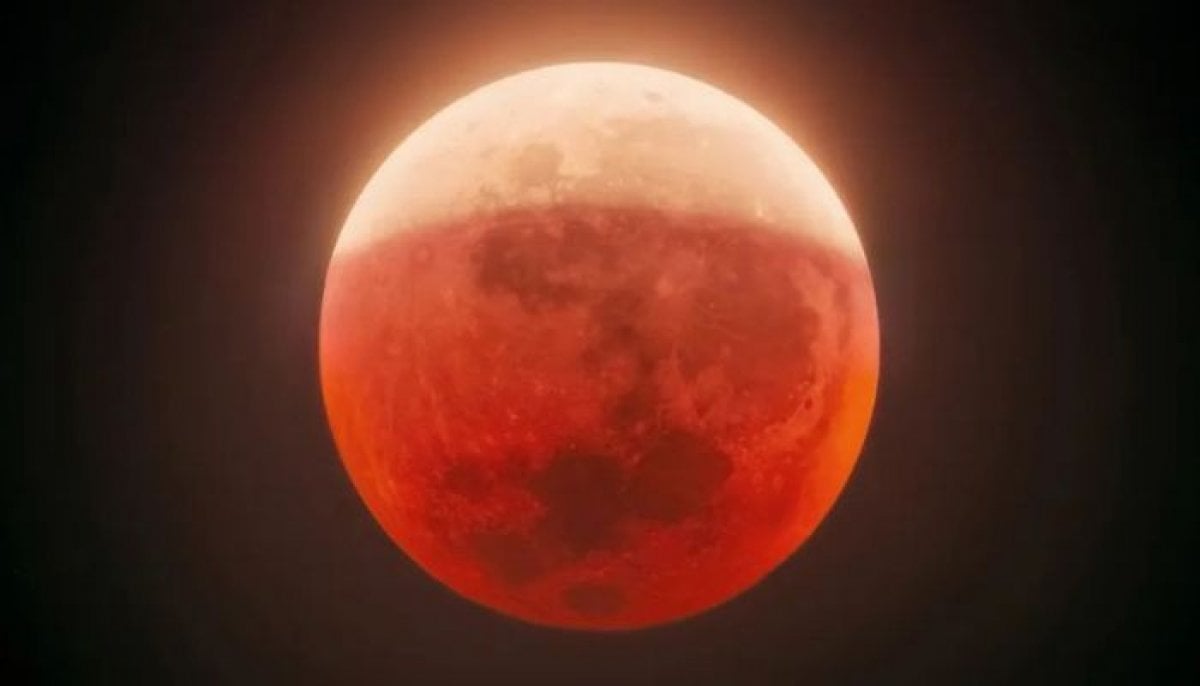
- One week from now, Earth's shadow will swallow 96% of the moon's visible face, leaving just a thin sliver exposed to direct sunlight.
- With 96% coverage, most viewers should obtain a robust version of that effect even though this isn't a full total eclipse.
For context, the partial lunar eclipse on August 27-28 will be observed by billions of individuals all around North America, South America, Africa, and Europe.
This eclipse occurs when Earth comes to the position between the sun and the moon at the time of the full moon but not precisely to cause a total lunar eclipse.
On the dark side of Earth, the umbra. It is the darkest and the innermost part of the shadow of the Earth, will create its first contact with the surface of the moon at 10: 33 pm EDT (02: 33 GMT) on August 27, as noted by TimeandDate.com.
Meanwhile, the shadow then creeps throughout the moon for hours before reaching maximum eclipse at 12: 12 a.m. EDT on August 28, or 0412 GMT.
During the maximum eclipse phase, the part of the moon which is in the shade will tend to take on an orange-red colour. This is due to the sunlight being refracted through the Earth's atmosphere before falling on the moon's surface.
Nevertheless, all phases of an eclipse occur meanwhile for everyone who is on Earth's night side looking up at the moon, but the timing differs according to location. For individuals located in California on the West Coast of the USA, the maximum eclipse occurs just after midnight on the evening of August 27-28.
It is worthwhile checking a website like Time and Date for your location-specific eclipse timing before going out into the backyard.
Whereas a solar eclipse poses a real danger to one's eyes if not observed using protective glasses, a lunar eclipse is totally harmless to observe without any protective measures.
Binoculars or a telescope will sharpen the view of Earth's shadow moving throughout the lunar disc, but they're optional rather than necessary.
Pareesa Afreen is a reporter and sub editor specialising in technology coverage, with 3 years of experience. She reports on digital innovation, gadgets, and emerging tech trends while ensuring clarity and accuracy through her editorial role, delivering accessible and engaging stories for a fast-evolving digital audience.
For now, august 2026 lunar eclipse: When and where to see it remains the part of the story worth watching, and further updates are likely as more details are confirmed.