Australia to Tighten Student Visa Rules Amid Rising Rejection Rates
Australia is considering major changes to its student visa system, including stricter financial requirements that could require international students to deposit tuition fees and living expenses in Australian bank accounts before applying for visas.
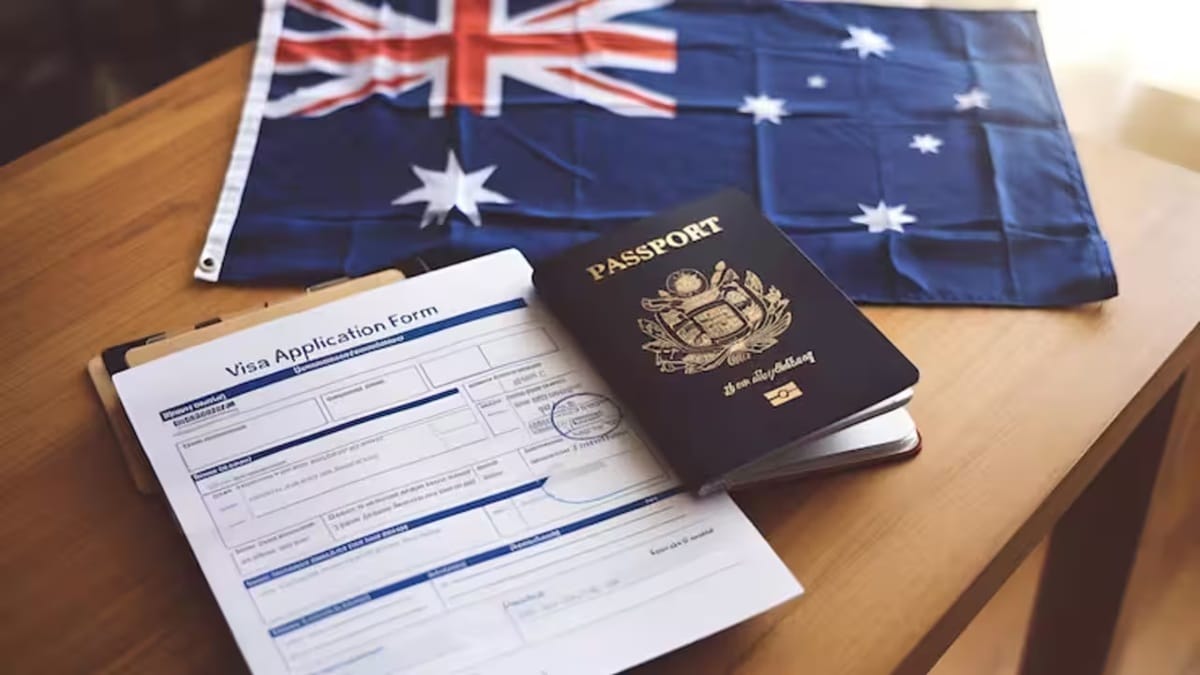
Australia is considering major changes to its student visa system, including stricter financial requirements that could require international students to deposit tuition fees and living expenses in Australian bank accounts before applying for visas.
Article outline
- What happened
- The key numbers
- Official response
- Why it matters
- Background
- The bottom line
Key points
- As reports indicate, the consultation opened on October 30 and will remain open until November 23, 2026.
- Charles Sturt University Vice-Chancellor Renée Leon remarked administration figures indicated that offshore higher education student visa grants had fallen by more than 40% compared with the previous year.
- She pressed clearer eligibility requirements before international students pay the $2, 500 visa application fee.
- Applicants from countries classified as Evidence Level 3 could face extra checks, including a requirement to provide bank statements covering at least six months of transactions.
- The proposals would additionally require students to submit financial evidence with their visa applications, regardless of their education provider's Evidence Level classification.
For context, the Department of Home Affairs has introduced a public consultation on the proposed changes against the backdrop of reservations over high visa rejection rates, particularly among applicants from South Asian countries.
As reports indicate, the consultation opened on October 30 and will remain open until November 23, 2026. UK Tightens Skilled Family Worker Visa Rules. Proposed Financial Requirements for Students.
Under the proposed changes, the administration is considering four options to strengthen financial checks for international students.
In practice, the first option would require students to deposit 50% of their total tuition fees and living expenses for the entire course in an eligible Australian bank account for at least one month, with restrictions on withdrawals.
In practice, the second option would require the same amount to remain in an Australian bank account for three months without withdrawal restrictions.
Under the third option, students would need to deposit 100% of their first-year tuition fees and living expenses for three months, with feasible restrictions on accessing the funds.
In practice, the fourth option would allow applicants to demonstrate their financial capacity through approved education loans, scholarships, personal savings, or a combination of these sources. Limited exemptions from transferring funds to an Australian account could additionally apply.
Notably, the proposals would additionally require students to submit financial evidence with their visa applications, regardless of their education provider's Evidence Level classification. Stricter Checks for Certain Countries.
Meanwhile, applicants from countries classified as Evidence Level 3 could face extra checks, including a requirement to provide bank statements covering at least six months of transactions.
For context, the administration is additionally considering stricter verification of education loans, with secured and government-backed financing preferred over unsecured personal loans.
Nevertheless, the proposed temporary measures would not rise the existing amount students must demonstrate to prove their financial capacity.
Notably, the consultation additionally seeks to revise the Genuine Student assessment process, placing greater emphasis on applicants' academic records, course selection, and previous educational progress. New Zealand Introduces 4 Changes to Student Visa Rules. Rising Visa Rejections Raise Reservations.
Speaking at the Australian International Education Conference 2026 in Sydney, Assistant Minister for International Education Julian Hill acknowledged that high rejection rates were discouraging genuine students from applying to Australian institutions.
He remarked numerous applicants feared that an Australian visa rejection could affect their chances of studying in other countries.
Hill rejected suggestions that the rising refusals were linked to migration targets, saying authorities were concerned regarding applicants who could not realistically afford their studies without relying on longer-term migration.
Notably, the proposed changes come as Australian education institutions raise reservations over declining visa approvals.
For context, the Australian administration has not produced a final decision and will review feedback from the consultation before introducing any changes. Stay Connected with ProPakistani.
Obtain the latest education news, admissions updates, and scholarship alerts wherever you prefer. Follow on Google Discover. Follow on Google News Join WhatsApp. See more ProPakistani stories in Google Search and Top Stories.
Taken together, the developments around australia to Tighten Student Visa Rules Amid Rising Rejection Rates point to a situation that is still moving, and the coming days should bring more clarity.