Cash Shortfall Puts CPEC Wind Project at Risk of Default
UEP Wind Power (Private) Limited, a 99-megawatt wind power project under the China-Pakistan Economic Corridor (CPEC), has sought Rs.
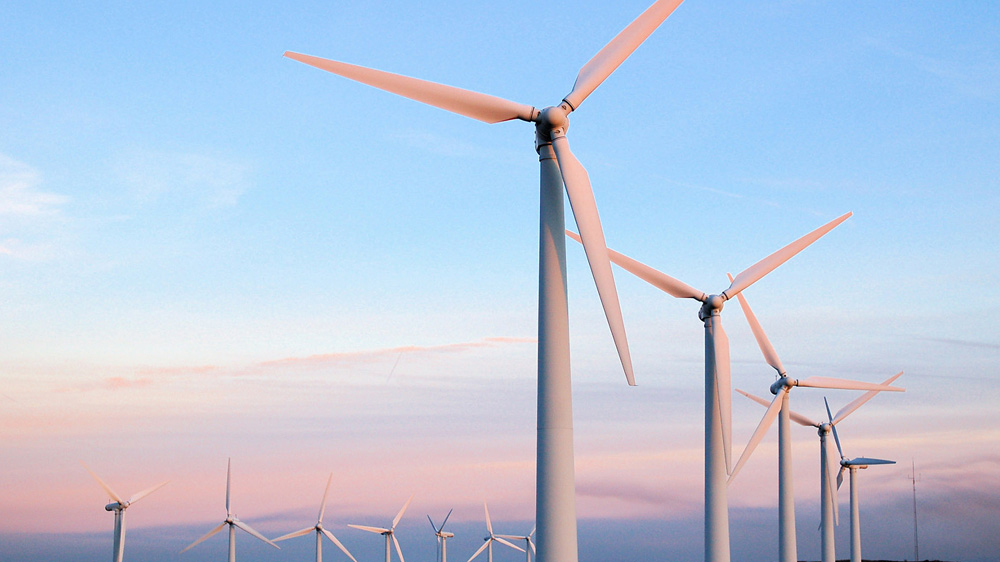
UEP Wind Power (Private) Limited, a 99-megawatt wind power project under the China-Pakistan Economic Corridor (CPEC), has sought Rs.
Article outline
- What happened
- The key numbers
- Background
- Why it matters
- Official response
- The bottom line
Key points
- 323.592 million in sales tax liabilities, describing the payment as a mandatory obligation to the national exchequer by December 22, 2026.
- Govt Intends EV Fast Chargers Every 50 KM on Major Highways and Motorways.
- Sources remarked DISCO recoveries remained below the level required under National Electric Power Regulatory Authority (NEPRA) directives.
- 500 billion to Chinese power plants established under CPEC, against the backdrop of financial constraints linked to inadequate recoveries by power distribution businesses (DISCOs).
- UEP Wind Power remarked the payments were necessary to ensure the project's smooth and uninterrupted operation.
In a letter dated October 19, 2026, addressed to CPPA-G's chief executive officer, the firm stated its projected cash flow was insufficient to cover debt servicing, operations and maintenance (O&M) charges, sales tax, working-capital loan repayments, insurance, and other operating expenses through December.
Meanwhile, the firm has requested the funds in installments under a month-wise payment schedule to meet its obligations within the required deadlines. Govt Moves to Merge Privatization and Public-Private Partnership Bodies. Working-Capital Loan, Debt Servicing Drive Payment Needs.
According to the letter, the largest payment is Rs. 2.651 billion for repayment of a working-capital loan, followed by Rs. 1.834 billion in debt servicing payable to China Development Bank (CDB). Other projected expenses include Rs. 841.38 million for the O&M operator, Rs. 323.59 million in sales tax, Rs. 125.94 million in operating and administrative expenses, and Rs. 48.47 million for project insurance.
UEP Wind Power remarked the payments were necessary to ensure the project's smooth and uninterrupted operation. It asked CPPA-G to continue supporting the project to prevent a potential default and allow it to settle its liabilities on time.
Under the proposed schedule, the firm requires approximately Rs. 628.14 million in October, Rs. 179.61 million in November, and Rs. 5.016 billion in December. Most of the debt-servicing and working-capital loan repayments are due in December. Pakistan Cancels $0.5 Billion High-Interest Loan. Unpaid Bills Projected to Reach Rs. 9.3 Billion.
In practice, the letter additionally highlights the company's growing receivables. Unpaid invoices are projected to rise from Rs. 8.117 billion in October to Rs. While overdue invoices are projected to rise from Rs, 9.317 billion by December 2026. 6.532 billion to Rs. 8.147 billion over the same period.
For context, the firm stated continued backing from CPPA-G had assisted it settle long-overdue liabilities to its O&M operator. It has now sought priority for repayment of a long-overdue shareholder loan. It its shareholder has advised should be repaid in full by December 31, 2026.
UEP Wind Power additionally highlighted Rs. 323.592 million in sales tax liabilities, describing the payment as a mandatory obligation to the national exchequer by December 22, 2026. The firm went on that it had entered its tenth year of operation but had not yet distributed any dividends to shareholders.
Govt Intends EV Fast Chargers Every 50 KM on Major Highways and Motorways. CPPA-G Owes Around Rs. 500 Billion to Chinese Power Plants.
As sources indicate, CPPA-G owes approximately Rs. 500 billion to Chinese power plants established under CPEC, against the backdrop of financial constraints linked to inadequate recoveries by power distribution businesses (DISCOs).
Sources remarked DISCO recoveries remained below the level required under National Electric Power Regulatory Authority (NEPRA) directives. It require distribution businesses to recover 100 percent of billed amounts from consumers.
Mounting receivables have rose liquidity pressures on CPEC power projects, making it harder for them to meet debt-servicing obligations and other financial commitments. UEP Wind Power's request highlights the potential consequences of delayed payments, including the risk of default if mandatory obligations cannot be met on time.
Copies of the letter were additionally sent to the Embassy of China in Islamabad, the secretary of the Power Division, the managing director of the Private Power and Infrastructure Board (PPIB), the chief financial officer of CPPA-G, and the CPEC Authority. Stay Connected with ProPakistani.
Obtain the latest business news, market insights, and economic updates wherever you prefer. Follow on Google Discover. Follow on Google News Join WhatsApp. See more ProPakistani stories in Google Search and Top Stories.
In short, cash Shortfall Puts CPEC Wind Project at Risk of Default is the central thread here, and readers can expect follow-up reporting as the picture becomes clearer.