Cinema Without Borders: Love letter to the past — Dear You
Cinema Without Borders: Love letter to the past — Dear You
Key points
- From Ernst Lubitsch’s The Shop Around the Corner (1940) to Ritesh Batra’s The Lunchbox (2013), there have been several celebrated…
- The trajectory reminded me of Lakshmipriya Devi’s 2024 Manipuri language film, Boong.
- This, despite a modest budget and a cast of largely non-professional actors, save for a surprise cameo by Usha Seamkhum…
- The classic storytelling is sprawling, more like a novel or a family epic than a short story.
Cinema Without Borders:
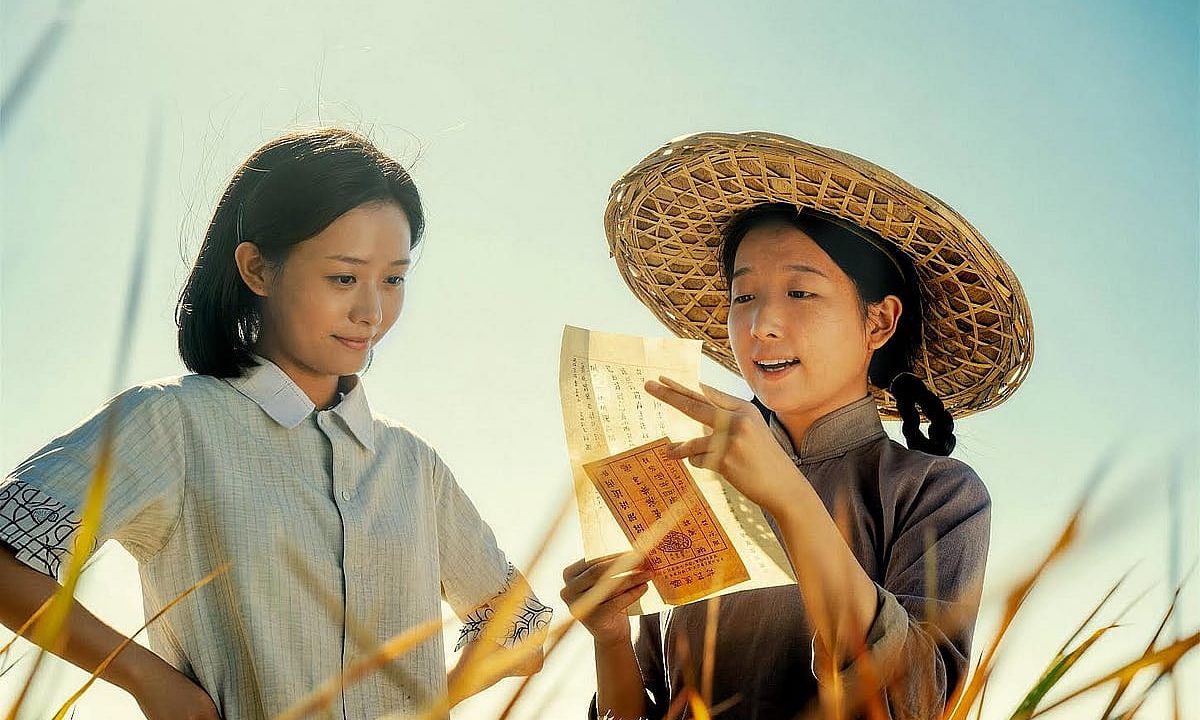
From Ernst Lubitsch’s The Shop Around the Corner (1940) to Ritesh Batra’s The Lunchbox (2013), there have been several celebrated films concerning impromptu and accidental exchange of letters forging everlasting bonds between individuals. Lan Hongchun’s Teochew language film from China, Dear You, is the newest addition to this cinema roster. What is unique here is “Qiaopi” as a mode of narration. A letter and money sent together in a single envelope in the mid-19th century by Chinese expatriates back home, qiaopi was both a remittance for financial backing and a way to remain in touch with their families. Manuscripts of immense archival value, qiaopis are a part of UNESCO’s Memory of the World International Register. In Dear You, qiaopis become repositories of memories and remembrances, longing and loneliness, of family legacy and history, of separations across space and time, and the intimacies that these distances can’t quite erase.
The trajectory reminded me of Lakshmipriya Devi’s 2024 Manipuri language film, Boong. Like the little boy going in search of his missing father in Boong, in Dear You it’s a grandson who decides to go all the way to modern-day Thailand to reconnect with his grandfather. This person is believed to have abandoned his grandmother to start another family in a foreign land. Perhaps he will share his immense fortune and help them secure over the debts. What he discovers there is an unknown act of benevolence and generosity from a stranger, one that honours friendship in a deeply poignant way.
About how going away from home doesn’t just mould one person but additionally those left behind and those they meet, Dear You is South East Asia’s breakout success of 2026, quite like Pat Boonnitipat’s 2024 Thai sleeper hit, How to Make Millions Before Grandma Dies. This, despite a modest budget and a cast of largely non-professional actors, save for a surprise cameo by Usha Seamkhum, the much-loved grandmother in Boonnitipat’s film. Dear You continues to have a successful run in the theatres of the region even as it opens in North America on September 4 and hopefully travels to the rest of the world thereafter. The depiction of the predicaments of immigrant Chinese is authentic and heartfelt. However, despite the cultural specificity, its universal appeal is straightforward to understand. A story of love and friendship, of familial loyalty and commitment to the community, of well-meaning secrets and lies, of solidarity and sisterhood of women, of their sacrifices, grit and tenacity, Dear You dares to sport an old-fashioned heart in the diametrically different contemporary times. It comes with a huge tug of nostalgia for what we have lost and may never find again, and is additionally a primer for the young about their roots. It is both emotional and uplifting, wrenching and healing.
The classic storytelling is sprawling, more like a novel or a family epic than a short story. The narrative moves back and forth in time to keep up the sense of irresolution yet be intermittently revealing. Despite its indie sensibility, the mounting and the canvas feel ambitious, with the production design and period details contributing to the sumptuous visuality. Not to forget the beautiful calligraphy of the qiaopis. Add to that the music, language, and the element of history and heritage, and you get a compelling cultural documentation.
The varied set of characters, and the actors playing them, are immensely likeable, with the women, in particular, remarkable in their poise and elegance. The sentimentality and the long-drawn-out and overly explanatory narrative might rankle the tough-to-please filmgoers, but the old-world charm has been winning over the masses. A modest, earnest film with a big heart and a resonant message: “A person must have loyalty and heart. If not, the person isn’t worth keeping.”