FBR Split Will Boost Informal Economy: Report
In practice, the Federal Board of Revenue's (FBR) decision to separate income tax and sales tax administration could encourage businesses to remain outside the tax net and expand Pakistan's informal economy, the Policy Research Institute of Market Economy (PRIME) has…
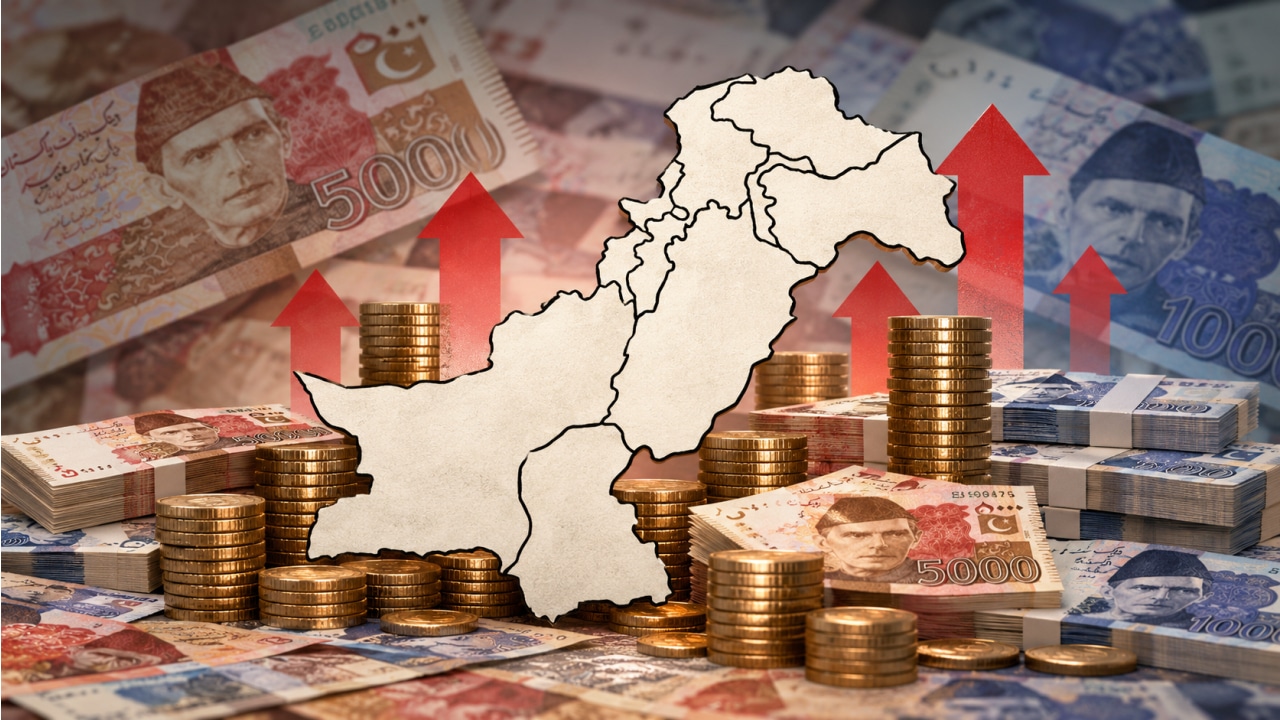
In practice, the Federal Board of Revenue's (FBR) decision to separate income tax and sales tax administration could encourage businesses to remain outside the tax net and expand Pakistan's informal economy, the Policy Research Institute of Market Economy (PRIME) has cautioned.
Article outline
- What happened
- The key numbers
- Background
- Official response
- The details
- The bottom line
Key points
- The think tank criticized the government's decision to reverse a 17-year-old reform introduced in 2009.
- Last week, the FBR separated sales tax and federal excise administration from income tax within the Inland Revenue Service.
- Senator Dilawar Khan cautioned tax authorities against aggressive enforcement measures that could unnecessarily target legitimate taxpayers.
- He informed a Senate committee that a policy paper proposing a transition toward a digital economy had been submitted to the administration.
- A firm concealing sales to reduce its sales tax liability could additionally be hiding income.
For context, the think tank criticized the government's decision to reverse a 17-year-old reform introduced in 2009. It brought income tax, sales tax, and federal excise collections under the Inland Revenue Service. The earlier arrangement aimed to reduce duplication, improve compliance, and allow a single tax officer to handle a company's tax affairs.
Last week, the FBR separated sales tax and federal excise administration from income tax within the Inland Revenue Service. Dr. While Muhammad Anwar was named chief of these taxes, muhammad Sarmad Qureshi was appointed the first Member of Sales Tax and Federal Excise Duty. A separate stream of officers is projected to become operational next month. New SBP Rules Could Mean More Homes and Easier Loans. Cash Economy And Tax Enforcement Under Scrutiny.
In practice, the reservations come as National Anti-Money Laundering and Counter-Terrorism Authority (NAML&CTA) Chairman Mushtaq Sukhera has additionally identified Pakistan's reliance on cash transactions as a major driver of illicit financial activity. He informed a Senate committee that a policy paper proposing a transition toward a digital economy had been submitted to the administration.
Senator Dilawar Khan cautioned tax authorities against aggressive enforcement measures that could unnecessarily target legitimate taxpayers. He remarked capital laundering notices were being issued to individuals and businesses already registered with the Federal Board of Revenue.
Senator Abdul Qadir additionally criticized corruption within the tax administration, referring to a recent controversy at the Regional Tax Office in Lahore involving a dispute over the distribution of bribe capital. FBR Launches New Oil Pricing Formula. Separate Tax Departments Could Weaken Evasion Checks.
PRIME remarked the FBR justified the restructuring by pointing to fragile domestic sales tax collection. It declined by 1.7 percent during the last fiscal year, despite a 17 percent growth in collections at the import stage.
Nevertheless, the think tank argued that separating tax administration would weaken an notable mechanism for detecting evasion since businesses report overlapping financial information in their income tax and sales tax returns.
For context, a firm concealing sales to reduce its sales tax liability could additionally be hiding income. When one officer handles both taxes, identifying discrepancies in one return can expose evasion in the other. Separate officers could weaken this connection, PRIME remarked. Rs. 145 Million Indian Gutka and Sheesha Products Seized in Karachi. Registered Businesses Could Face Higher Costs.
Meanwhile, the institute cautioned that manufacturers, importers, and distributors already registered with the FBR could face two commissioners, separate notices, and different interpretations of the same transactions.
Meanwhile, businesses operating outside the tax net would avoid these extra compliance requirements. PRIME remarked the climbed cost and complexity of registration could discourage more businesses from entering the formal economy.
Notably, the think tank additionally argued that fragmented value-added tax administration was a major obstacle to better collection. While services fall under provincial authorities, creating separate rates, returns, exemptions, and regulatory requirements, goods are taxed federally.
PRIME remarked a harmonized value-added tax covering goods and services, with a lower unified rate and fewer exemptions, would improve revenue collection more effectively than another administrative restructuring.
Notably, the institute continued that Pakistan's tax to GDP ratio remained at 10.3 percent during the past two fiscal years despite repeated reforms and billions of dollars in loans, highlighting the continued challenges facing the country's tax system. Stay Connected with ProPakistani.
Obtain the latest business news, market insights, and economic updates wherever you prefer. Follow on Google Discover. Follow on Google News Join WhatsApp. See more ProPakistani stories in Google Search and Top Stories.
For now, FBR Split Will Boost Informal Economy: Report remains the part of the story worth watching, and further updates are likely as more details are confirmed.