Iran’s Ghalibaf vows Strait of Hormuz will stay closed until US lifts blockade, sanctions
Iran's top negotiator Mohammad Bagher Ghalibaf said on Tuesday that the strategic Strait of Hormuz will not be opened until the United States meets Tehran's demands, including lifting a naval blockade."I want to state clearly that the Strait of Hormuz will not be opened until the American commitments stipulated in the memorandum of understanding... are…
Key points
- War between Iran and the United States broke out on February 28 after US-Israeli attacks on the Islamic republic, triggering…
- Iran's top negotiator Mohammad Bagher Ghalibaf said on Tuesday that the strategic Strait of Hormuz will not be opened until…
- Diplomatic efforts have since April 8 put an end to intense bombardments, but sporadic clashes have persisted, especially in and…
- On Monday, Iran said that negotiations were "continuing in a serious manner" and views were being exchanged on the text…
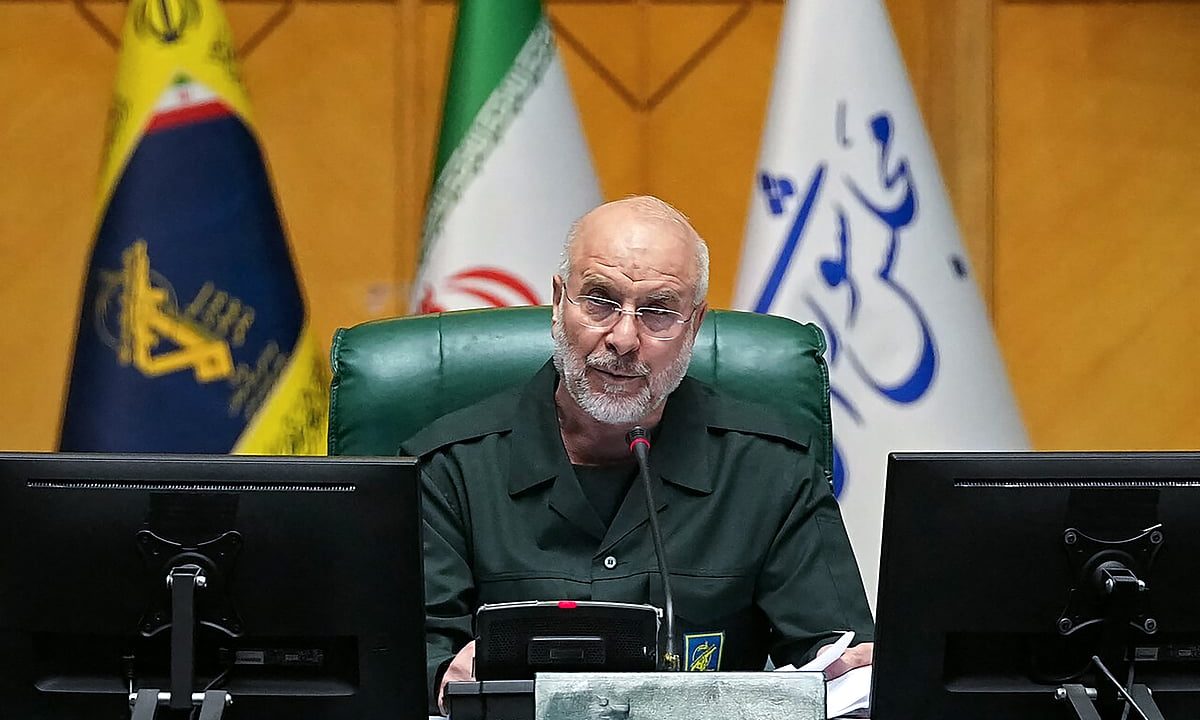
Iran’s top negotiator Mohammad Bagher Ghalibaf said on Tuesday that the strategic Strait of Hormuz will not be opened until the United States meets Tehran’s demands, including lifting a naval blockade.
“I want to state clearly that the Strait of Hormuz will not be opened until the American commitments stipulated in the memorandum of understanding… are implemented,” Ghalibaf said in a speech broadcast on state television.
He listed the removal of the blockade, the lifting of oil sanctions and unfreezing of Iran’s assets abroad among the demands. It were included in an Iran-US truce in June that later collapsed.
War between Iran and the United States broke out on February 28 after US-Israeli attacks on the Islamic republic, triggering a conflict across the region.
What happened
Diplomatic efforts have since April 8 put an end to intense bombardments, but sporadic clashes have persisted, especially in and around the Strait of Hormuz.
Since the war broke out, requiring vessels to seek permission and pay transit service fees, a move opposed by Washington and a number of regional countries, iran has kept control of the strait, a vital global energy conduit.
Iran and Oman, both coastal states on Hormuz, have for weeks been discussing the future of navigation through the strait, with Tehran saying the geographical coordinates of the route envisaged by both countries “have been agreed upon”.
On Monday, Iran said that negotiations were “continuing in a serious manner” and views were being exchanged on the text of a “joint statement”.
The details
US President Donald Trump threatened to bomb Oman if it “gets in the way” of a deal with Iran on Hormuz, and called on Tehran to surrender in a war that has become a growing political burden at home.
Ghalibaf during his speech, said Iran was “ready to inflict an even more crushing defeat on the enemy, proportionate to its actions and advances”.