Japanese delegation seeks to soothe strained ties with China
Published On 24 Aug 202624 Aug 2026.
Published On 24 Aug 202624 Aug 2026.
Article outline
- What happened
- Official response
- Background
- The bottom line
Key points
- Among those making the trip was Gaku Hashimoto, a member of the House of Representatives and Takaichi's ruling Liberal Democratic Party.
- Former Japanese Foreign Minister Takeshi Iwaya is projected to lead another delegation to China in late September.
- Relations plunged after Takaichi suggested in November that Japan could respond militarily if China attacked Taiwan, a self-governing island that Beijing claims as its own territory.
- The visit will run through Thursday and marks the first such consultations with senior Chinese Communist Party authorities since ties soured late last year.
- He described the current state of relations as the worst since diplomatic ties were normalised in 1972.
Japanese lawmakers have travelled to Beijing in a bid to soothe strained relations between the two nations.
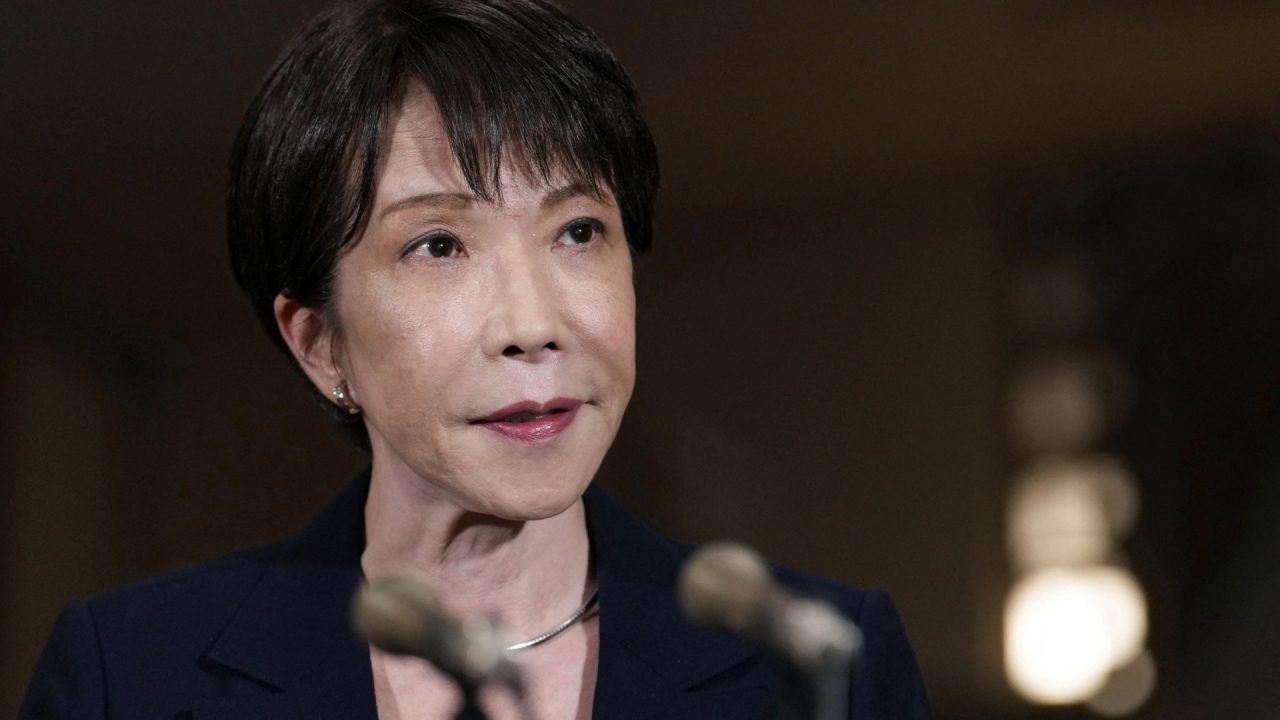
For context, the delegation landed in China on Monday for discussions aimed at restoring communication. The mission was undertaken after Japanese Prime Minister Sanae Takaichi issued comments on Taiwan that triggered a diplomatic dispute that has begun to weigh on economic relations.
Notably, the visit will run through Thursday and marks the first such consultations with senior Chinese Communist Party authorities since ties soured late last year.
China is highly sensitive regarding Taiwan and considers questioning of its claim on the island a red line. In response to Takaichi's comments, it cautioned its citizens against travel to Japan and tightened trade restrictions, including measures that reportedly disrupted the flow of rare earth minerals to Japanese firms, adding an economic sting to the diplomatic fallout.
Among those making the trip was Gaku Hashimoto, a member of the House of Representatives and Takaichi's ruling Liberal Democratic Party. He was joined by other lawmakers from the opposition Komeito and Centrist Reform Alliance parties.
For context, an official from Hashimoto's office confirmed only that he had "departed for Beijing to stay for two days".
Before leaving Tokyo, delegation member Shinichi Isa, a spokesperson for the Centrist Reform Alliance, remarked to journalists: "Communication has been severed in all areas, and we are beginning to see their impact in numerous areas. I hope we can somehow find a clue to restart a dialogue."
Isa, a former diplomat at the Japanese embassy in China, had already sounded the alarm over the situation this month in a post on X, writing that authorities had always managed to stay in contact even during past low points but now "all channels between officials and ministries have been cut off."
China's Ministry of Foreign Affairs remarked on Friday that "some people of insight from both Japan's ruling and opposition parties" were troubled by the state of relations and hoped to assist steer them back on track while calling on Tokyo to heed those voices and act to restore normal exchanges between the two countries.
Takaichi has not retracted her comment on Taiwan and is yet to respond to the reservations.
Further exchanges are planned. Former Japanese Foreign Minister Takeshi Iwaya is projected to lead another delegation to China in late September. It is to be followed by a group of Japanese business representatives afterwards in the year, according to the Kyodo News agency.
For now, japanese delegation seeks to soothe strained ties with China remains the part of the story worth watching, and further updates are likely as more details are confirmed.