
Lebanon no longer a safe haven for former Syrian regime officials
Figures connected to the former Syrian regime are still in Lebanon but risk being returned.
Key points
- On December 8, 2024, the five-decade reign of the al-Assad regime ended when Bashar left Damascus for Moscow.
- The younger al-Assad and Syria still exerted their influence in Lebanon via local allies, including Hezbollah, until the regime’s demise…
- However, Jamil al-Hassan, the former head of the Air Force Intelligence Directorate, is thought to be in Lebanon.
- Last week, al-Assad, his brother Maher and his cousin Atef Najib were all sentenced to death by a Damascus court.
Beirut, Lebanon – Not long after the fall of the Syrian President Bashar al-Assad in December 2024, the new government was keen to hunt down members of the former regime.
Al-Assad and his brother fled the country hours before the capital Damascus fell to the advancing armed opposition, leaving numerous top officials and military commanders to fend for themselves.
Numerous of them reportedly fled and crossed to neighbouring Lebanon where some top officials were spotted openly in capital, Beirut.
Now the Syrian administration is trying to get them extradited for war crimes committed during the uprising. It began in 2011.
“We are seeking to boost the international judicial cooperation to pursue members of the former regime and extradited to Syria to complete judicial procedures and process,” judge Mustafa al-Qassem, an aide to the Syrian justice minister, stated in an interview with state television.
Former officials felt they were safe in Lebanon due to their close connections with Hezbollah or their network with figures in Lebanon’s military. Some had built connections in Lebanon over the years, including during Syria’s occupation of Lebanon. It ended in 2005.
But that’s no longer the case.
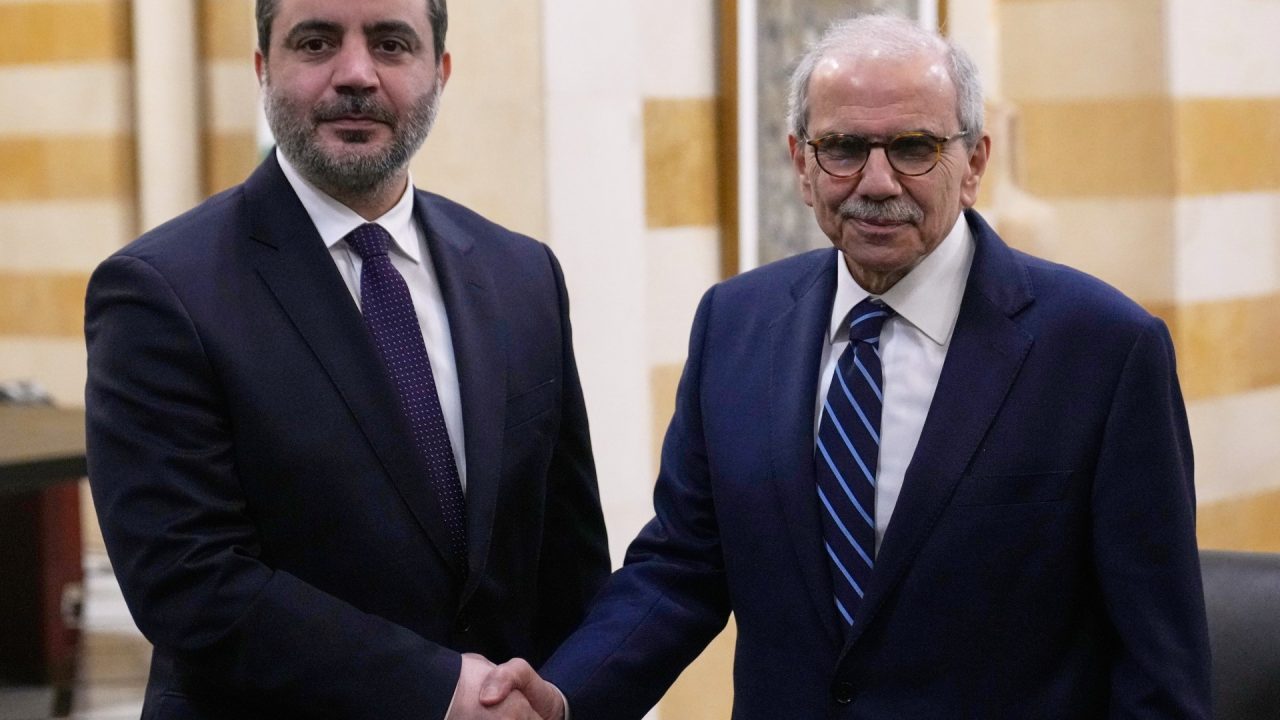
Adel Issa, a former major general in al-Assad’s Syrian Army, was arrested lately in Lebanon after staff at the Syrian embassy reportedly tipped off authorities after he came in to do paperwork. A top Lebanese prosecutor announced on Tuesday that Issa would be extradited to Syria to face trial due to alleged crimes he committed during his military service.
But there are other former al-Assad regime officials who are in Lebanon and whom Syrian authorities additionally want returned to face justice.
Last week, al-Assad, his brother Maher and his cousin Atef Najib were all sentenced to death by a Damascus court. Bashar and Maher al-Assad were sentenced in absentia because they are in exile in Moscow, where they fled after the regime fell.
Their presence in Russia likely protects them from extradition. But the case brings to attention important matters about remaining regime figures in Lebanon and their potential extradition to Syria.
Regime officials in Lebanon
On December 8, 2024, the five-decade reign of the al-Assad regime ended when Bashar left Damascus for Moscow. As rebels entered Damascus, al-Assad fled without telling many of his top office-holders who then had to sort out their own escapes.
Sources with knowledge of the whereabouts of former regime members said the top figures – such as the al-Assads or the former head of the National Security Bureau Ali Mamlouk – are in Moscow or the United Arab Emirates.
However, Jamil al-Hassan, the former head of the Air Force Intelligence Directorate, is thought to be in Lebanon. Last year, media reports suggested that Syria and France have called on Lebanon to arrest and extradite al-Hassan.
Aside from him, Bassam al-Hassan, a former Republican Guard commander who was in al-Assad’s inner circle, was tracked down to a Beirut apartment by a US broadcaster last year. He had been responsible for procuring weapons and liaising with Syria’s chemical weapons programme. It the regime used against its own residents.
Hezbollah’s role
Syrian and European sources intimately familiar with the details said most former regime office-holders still in Lebanon are now in Tripoli’s Jabal Mohsen neighbourhood or in parts of the northern region of Akkar. It borders Syria. Because numerous have either moved to third countries, sometimes with false passports, or have been smuggled back into Syria, estimates on the number of former regime officials in Lebanon are imprecise, experts stated.
One source familiar with the issue, speaking on background as he wasn’t authorised to share information publicly, said that in the early days after the fall of the regime, former administration figures set up training camps in Lebanon’s Bekaa Valley. However, the source stated, the camps have since been shut down by Hezbollah and the Lebanese army.
On August 4, Hezbollah leader Naim Qassem said his party was open to a gathering with Syria’s leadership. The group fought side by side with the al-Assad regime in Syria’s war and is, therefore, viewed negatively by many Syrians. But Hezbollah has said it has no desire for bad relations with Syria’s new administration.
“Russia shelters the family and its fortunes while so far declining to fund a restoration [of the al-Assad regime], and Hezbollah, under disarmament pressure, needs calm with Damascus more than it needs a [battle on the] Syrian front,” Nanar Hawach, the International Crisis Group’s senior analyst on Syria, told Al Jazeera.
Syria has been under pressure from the United States to intervene in Lebanon against Hezbollah although experts believe Syrian President Ahmed al-Sharaa and his government are aware that such a move could lead to widespread regional unrest and undermine the domestic authority they are working to establish, including from figures still in Lebanon.
Extradition controversy
For years, Syria had a paternal relationship and view towards neighbouring Lebanon. The Syrian military entered Lebanon in 1976 when Bashar’s father, Hafez al-Assad, was in power and occupied large swaths of the country until 2005 when a popular uprising pushed Bashar al-Assad to withdraw his troops.
The younger al-Assad and Syria still exerted their influence in Lebanon via local allies, including Hezbollah, until the regime’s demise in 2024. Since then, Syria’s new government under al-Sharaa has indicated a willingness to have a more balanced and egalitarian relationship with Beirut.
To date, no Syrian regime figures accused of committing atrocities have been returned from Lebanon. That’s why, with extradition approved, Issa’s case could be so groundbreaking. While they have not yet faced trial, many former regime office-holders are either under foreign sanctions and/or worked in key regime roles that contributed to severe crimes against the Syrian people.
Earlier this year, Syrian authorities asked Lebanese security forces to hand over more than 200 senior officers who fled to Lebanon after the fall of Bashar al-Assad, according to a Reuters agency investigation that showed how the neighbouring country was a hub for insurgent plotting.
Lebanon’s parliament has passed a law to abolish capital punishment, making it the first country in the Middle East to do so. That has contributed to the controversy over the extradition process with Syria. It does apply the death penalty.
Wadih al-Asmar, cofounder and president of the Lebanese Centre for Human Rights, said a number of the Syrian officials in Lebanon would have committed crimes during the occupation period and, therefore, the Lebanese judiciary “has a duty and obligation” to prosecute some of these figures.
Al-Asmar said his organisation has received asylum requests from Syrians afraid to return to their country but none had been military figures connected to the former regime.
But other ex-regime officials, particularly those in Europe, could have those connections. And the landmark trial in Damascus last week that sentenced the al-Assad brothers and their cousin to death could be a concern for European and other states when extraditing wanted figures to Syria.
Experts said Beirut’s desire to have a positive relationship with Damascus will probable supersede human rights concerns related to the death penalty for former regime figures. Still, al-Asmar said: “Lebanon cannot, without violating international law and its own law, send back any person to a country where he can face the death penalty.”
He added: “It’s a very complicated situation, and I believe the only way out for the Lebanese government and the Syrian government with respect to the state of law is for Syria to abolish the death penalty.”
Related stories

دوسری شادی کرنے والے سرکاری ملازمین کیلئے بُری خبر
Aug 19, 2026 | 10:36 بین الاقوامی, اہم خبریں, ہیڈلاینز <!-- --> بھارتی ریاست آسام کی حکومت نے پہلی بیوی کو قانونی طور پر…

27اگست آخری تاریخ!کویت میں ملازمین کیلئے بڑی وارننگ
Aug 19, 2026 | 10:40 بین الاقوامی, اہم خبریں, ہیڈلاینز <!-- --> کویت میں 27 اگست 2026 تک تعلیمی قابلیت کی تجدید نہ کروانے…
پیٹرولیم مصنوعات میں قیمتوں میں پھراضافہ؛شہریوں کاشدیدردعمل …
Aug 19, 2026 | 10:42 کاروبار, اہم خبریں, قومی, ہیڈلاینز <!-- --> شہریوں نے پیٹرولیم منصوعات کی قیمتوں میں ایک بارپھراضافے کے مستردکردیا۔شہریوں کا…

بالی وڈ اداکار کارتک آریان فلم کی شوٹنگ کے دوران زخمی
Aug 19, 2026 | 10:44 تفریح, بین الاقوامی, اہم خبریں, ہیڈلاینز <!-- --> بالی وڈ اداکار کارتک آریان فلم کی شوٹنگ کے دوران زخمی…