Mirza Fakhrul rises from leftist student activist to Bangladesh president
DHAKA: Bangladesh's parliament Thursday elected longtime BNP secretary-general Mirza Fakhrul Islam Alamgir as the country's president, elevating to the highest constitutional office a veteran who entered politics in the late 1960s as a left-leaning student activist.
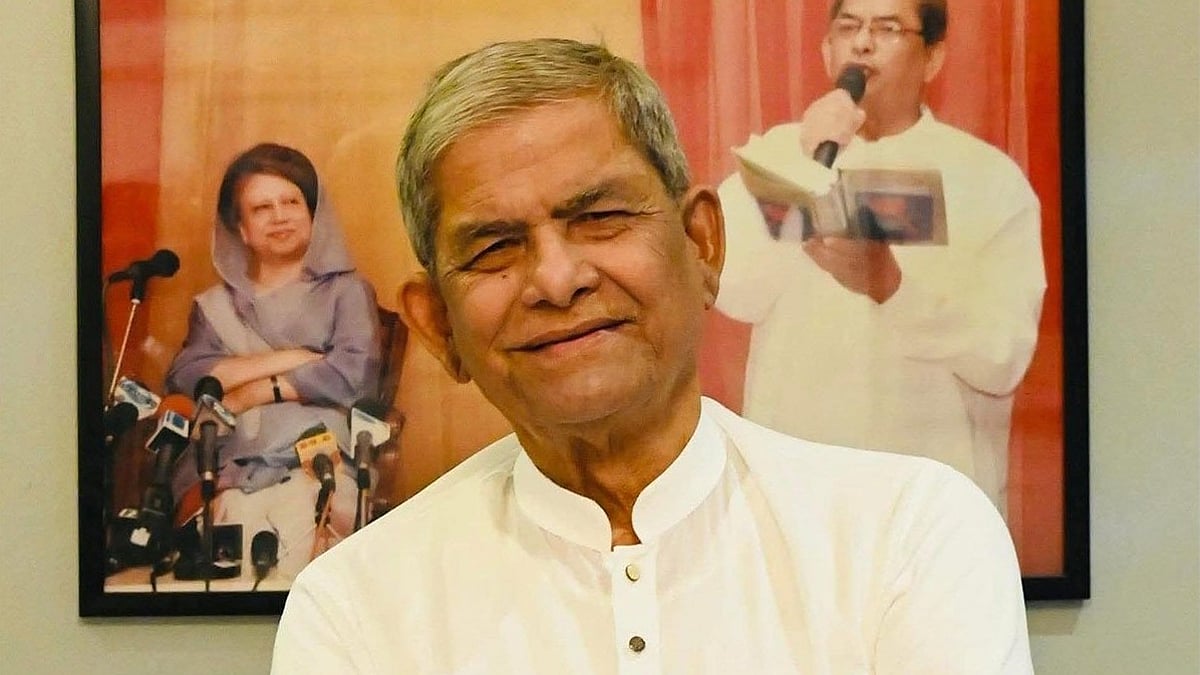
DHAKA: Bangladesh's parliament Thursday elected longtime BNP secretary-general Mirza Fakhrul Islam Alamgir as the country's president, elevating to the highest constitutional office a veteran who entered politics in the late 1960s as a left-leaning student activist.
Article outline
- What happened
- Official response
- The key numbers
- The details
- The bottom line
Key points
- The political upheaval of the late 1960s was followed by Bangladesh's independence movement and the 1971 Liberation War.
- Alamgir was elected again from Thakurgaon-1 in the February 2026 general election.
- Alamgir quit the administration job in 1986 to start a career in politics.
- The veteran politician was elected from two constituencies in the 2018 general election but did not take the oath as an MP in line with a BNP decision.
- This person studied at Calcutta University and afterwards worked for private insurance businesses.
Ahead of his election as president, the 78-year-old political leader was serving as the local administration, rural development and cooperatives minister while additionally discharging his role as secretary general of the centre-right Bangladesh Nationalist Party (BNP) under Prime Minister Tarique Rahman's leadership.
During his student life at Dhaka University, Alamgir joined the East Pakistan Students' Union, a left-leaning organisation, and eventually became president of its Dhaka University unit during the 1969 mass uprising against the then Pakistani military-backed administration.
Notably, the political upheaval of the late 1960s was followed by Bangladesh's independence movement and the 1971 Liberation War. Back then, Alamgir functioned as an organiser for left-leaning freedom fighters, taking refuge in India, helping facilitate their mobilisation. BNP was founded seven years after the Bangladesh Liberation War.
Before getting into mainstream politics, Alamgir held a administration job. He became a teacher of economics after joining the civil service's education cadre in 1972. Since then, he worked with the administration in various capacities.
As an independent candidate, two years afterwards, he was elected chairman of the municipality in his hometown, Thakurgaon, located in northwestern Bangladesh.
For context, the son of Muslim League leader and former East Pakistan Provincial Assembly member Mirza Ruhul Amin, Alamgir joined the BNP in the early 1990s, during the mass movement against the autocratic regime of then-President Hussain Muhammad Ershad.
BNP's Mirza Fakhrul Islam Alamgir elected as Bangladesh's new President The anti-Ershad movement brought Khaleda Zia, then leader of the BNP, and Awami League chief Sheikh Hasina together in opposition to the military-backed regime, despite their political differences.
In practice, the two leaders afterwards became bitter political opponents and both went on to serve multiple terms as Bangladesh's prime minister.
In BNP, Alamgir climbed the ranks over two decades. In 2011, he was appointed acting secretary general by Khaleda Zia. He was given permanent charge of the position in 2016.
Alamgir is the longest-serving secretary general of the party. It is traditionally considered the second most senior position after the party chairman. The BNP leader retained the position until his election as the South Asian nation's 23rd president on Thursday.
During his long political career, Alamgir earned a reputation as a moderate and courteous politician, with his measured style and personal decency earning respect even among political opponents.
When the BNP returned to power, and served as state minister for agriculture and afterwards state minister for civil aviation and tourism, he was first elected to parliament from his home turf Thakurgaon-1 in 2001.
Meanwhile, the veteran politician was elected from two constituencies in the 2018 general election but did not take the oath as an MP in line with a BNP decision. After directions from their top leadership, the party allowed five other lawmakers to join the parliament, but they too resigned in 2022.
Alamgir was elected again from Thakurgaon-1 in the February 2026 general election. It was held after the Awami League was barred from contesting.
In practice, the election — held after an interim administration led by Muhammad Yunus oversaw the transition after the ouster of Hasina after violent student-led protests in 2024 — brought the BNP to power, with Tarique Rahman as its new chief after the death of his mother Khaleda Zia in December 2025.
He is married to Rahat Ara Begum. This person studied at Calcutta University and afterwards worked for private insurance businesses. They have two daughters – one is a postdoctoral fellow in Australia and the other teaches at a Dhaka school.
Taken together, the developments around mirza Fakhrul rises from leftist student activist to Bangladesh president point to a situation that is still moving, and the coming days should bring more clarity.