Only four in 10 health facilities globally meet basic sanitation standards: WHO, UNICEF report
NEW DELHI: Only four in 10 health-care facilities globally met basic sanitation standards in 2025, while fewer than six in 10 met basic environmental cleaning standards, according to a WHO and UNICEF report released on Tuesday.The report found significant gaps in water, sanitation, hygiene, environmental cleaning and waste management services in health-care facilities, including patient…
Key points
- The report, ‘Progress on water, sanitation, hygiene, environment cleaning and waste management in healthcare facilities 2015-25’, was released through the…
- In 2025, an estimated 85% of health-care facilities had basic water services, 72% had basic hygiene services and 71% had…
- While fewer than six in 10 met basic environmental cleaning standards, according to a WHO and UNICEF report released on…
- However, between 2015 and 2025, global coverage improved for basic water, hygiene and waste management services, with the largest rise…
While fewer than six in 10 met basic environmental cleaning standards, according to a WHO and UNICEF report released on Tuesday, NEW DELHI: Only four in 10 health-care facilities globally met basic sanitation standards in 2025.
The report found significant gaps in water, sanitation, hygiene, environmental cleaning and waste management services in health-care facilities, including patient rooms, wards, operating theatres, examination and treatment areas, and toilets.
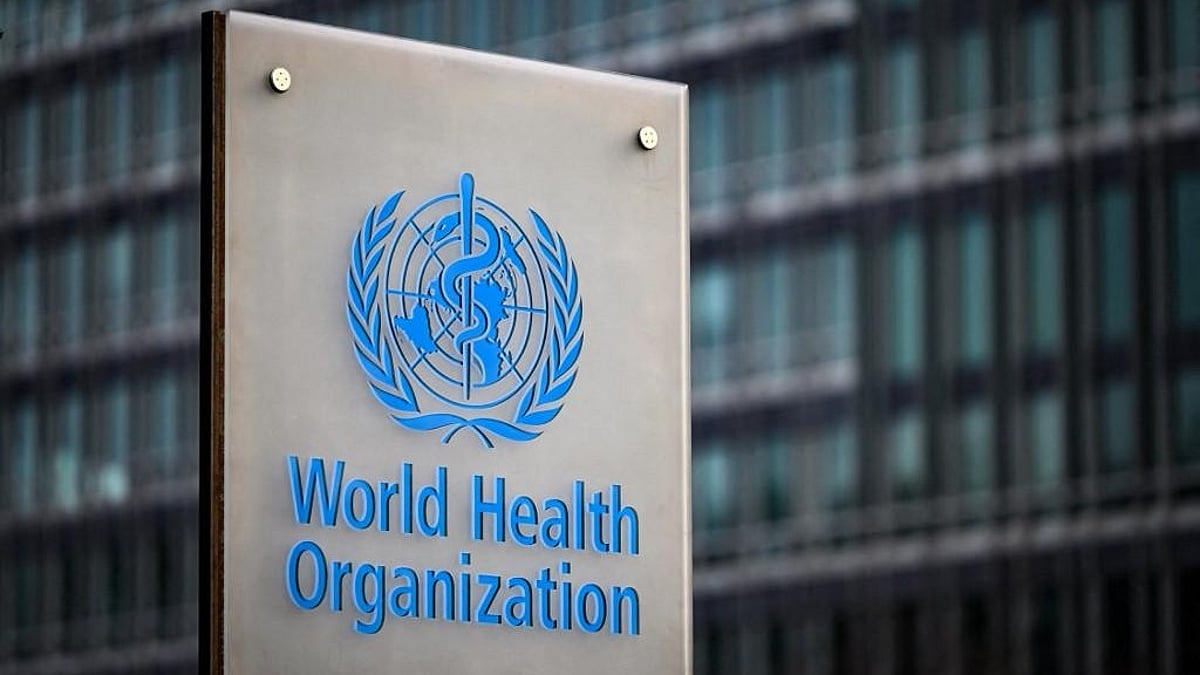
The report, ‘Progress on water, sanitation, hygiene, environment cleaning and waste management in healthcare facilities 2015-25’, was released through the WHO-UNICEF Joint Monitoring Programme for Water Supply, Sanitation and Hygiene (JMP).
For the first time, global estimates are available for all five basic service areas, including sanitation and environmental cleaning.
What happened
In 2025, an estimated 85% of health-care facilities had basic water services, 72% had basic hygiene services and 71% had basic health-care waste management services. However, only 59% met the basic standard for environmental cleaning and 40% met the requirements for basic sanitation.
“The findings show important progress but also expose major gaps in the foundations of safe, high-quality care,” said Bruce Gordon, Unit Head, Water, Sanitation and Health (WSH), WHO.
“Reliable water, accessible sanitation, hand hygiene, effective environmental cleaning and safe waste management must be integrated into health planning, financing and monitoring,” Gordon said.
According to the report, the finding that only 40% of health-care facilities had basic sanitation services did not mean that the remaining 60% had no toilets. Globally, 89% had some form of sanitation and 85% had usable toilets.
The details
To qualify as a basic sanitation service, toilets must be improved and usable and meet the needs of patients, staff, women and girls, and people with limited mobility.
Lack of menstrual hygiene
Only around half of the facilities had separate toilets for men and women, accessible toilets or facilities for menstrual hygiene. The lack of menstrual hygiene facilities and accessible toilets were the most common factors preventing facilities from meeting the basic standard.
“A toilet is not enough if it is unsafe, inaccessible or does not meet the needs of women, girls and people with disabilities,” said Evariste Kouassi Komlan, Director of Water, Sanitation and Hygiene (WASH), UNICEF.
Why it matters
“Without basic WASH services, health care facilities can pose serious risks to women during childbirth, newborns and young children. Safe, inclusive and dignified WASH services are essential to delivering quality care and protecting health.”
Environmental cleaning also remains a major concern.
Only 59% of facilities met the basic standard. It requires both cleaning protocols and trained cleaning staff. Neither requirement was met by 18% of facilities, corresponding to facilities serving a population of approximately 1.5 billion people. In least developed countries, only 24% met the basic standard.
Environmental cleaning is a core part of infection prevention and control because contaminated health care environments can contribute to healthcare-associated infections and the spread of antimicrobial resistance.
Background
However, between 2015 and 2025, global coverage improved for basic water, hygiene and waste management services, with the largest rise recorded for hygiene. Even so, around one in ten health-care facilities still had no water service and a similar proportion had no sanitation service.
The number of countries with estimates for all five services increased from 29 in the previous JMP update to 39 in 2025.
Important data gaps remain, and global trends could not yet be calculated for sanitation or environmental cleaning.
The report calls on countries to strengthen routine monitoring and move beyond measuring whether infrastructure is present. As well as whether services meet the needs of patients and health workers, monitoring should increasingly assess reliability, safety, accessibility and cleanliness.
What comes next
The new data come amid growing political momentum for action on WASH in health-care facilities.
In May 2026, the United Nations General Assembly adopted a new resolution calling for stronger national standards, regular monitoring and reporting, and costed and financed plans for sustainable and resilient WASH, waste and electricity services.
The resolution recognises WHO and UNICEF as co-coordinators of global efforts and calls on them to continue supporting countries and expanding data coverage through the Joint Monitoring Programme.