Overdose aftermath doctors want you to know about
Surviving an overdose is not the same as recovering from one.

Surviving an overdose is not the same as recovering from one.
Article outline
- What happened
- Background
- Why it matters
- The bottom line
Key points
- In the first 30 to 60 minutes, we assess airway, breathing, circulation, consciousness, vital signs and blood glucose.
- The immediate emergency approach is similar for both accidental and intentional poisoning.
- After initial stabilisation, the approach can differ significantly depending on the circumstances, nevertheless.
- For doctors, knowing what was consumed, approximately how much was taken and when it happened can significantly guide treatment.
- Doctors distinguish between accidental poisoning, medication toxicity, intentional overdose and substance-related toxicity by looking at the circumstances, history and evidence surrounding the event.
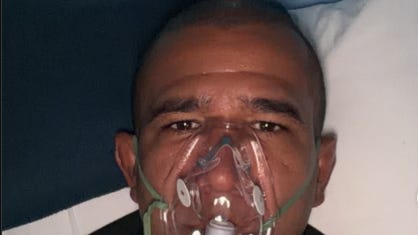
Surviving an overdose is not the same as recovering from one. As International Overdose Awareness Day on August 31 turns attention to the realities of overdose, experts stress that the emergency does not end when a patient regains consciousness. The first few minutes can be critical, with doctors racing to stabilise the patient and identify the substance involved, but what follows can be just as significant.
"In the first 30 to 60 minutes, we assess airway, breathing, circulation, consciousness, vital signs and blood glucose. Rapid stabilisation is crucial since some toxins can cause sudden respiratory failure, seizures, cardiac rhythm disturbances or coma. Early supportive treatment and timely antidotes can significantly improve outcomes, " notes Dr Sree Sowjanya P, head of the department of emergency at Apollo Hospitals, Jubilee Hills.
For context, the immediate emergency approach is similar for both accidental and intentional poisoning. "Patients' breathing patterns, blood pressure, heart rate, level of consciousness, glucose levels and ECG are assessed first and look for immediate life-threatening after effects of the poisoning, " shares Dr Asiya Butool, senior consultant and HOD – department of emergency medicine at Renova Century Hospitals, Banjara Hills.
After initial stabilisation, the approach can differ significantly depending on the circumstances, nevertheless. An accidental overdose may result from a dosing error, medication mix-up, drug interaction or accidental ingestion. An intentional overdose, meanwhile, may signal self-harm, severe psychological distress or a psychiatric crisis. Where substance misuse is involved, addiction may need to be addressed alongside the immediate toxicity. "When the substance is unknown, doctors have to piece together the clues. Symptoms, examination findings, medicines available at home, empty strips or bottles, information from relatives and the circumstances in which the patient was discovered can all assist identify the probable toxin. Blood glucose, ECG, routine investigations and selected toxicology tests may further narrow the possibilities available, " explains Dr Asiya.
For doctors, knowing what was consumed, approximately how much was taken and when it happened can significantly guide treatment. "Families should bring medicine strips, bottles, prescriptions or packaging, if safely available, and tell doctors about other medicines, alcohol or substances consumed, the likely quantity and when symptoms began, " notes Dr Sree Sowjanya.
Doctors distinguish between accidental poisoning, medication toxicity, intentional overdose and substance-related toxicity by looking at the circumstances, history and evidence surrounding the event. "Doctors consider the circumstances, history and evidence surrounding the event. Accidental poisoning may follow dosing errors or mistaken ingestion; medication toxicity can result from interactions or organ dysfunction. While recreational substance toxicity is assessed through history, examination and toxicology findings, " notes Dr Sree Sowjanya, intentional overdose raises reservations concerning self-harm.
Serious medication toxicity can additionally occur without any intention to overdose. "Serious toxicity can occur without deliberate overdose through accidental double-dosing, drug interactions, kidney or liver impairment, dehydration, incorrect dosing, swallowing another person's medication, or combining medicines with alcohol. Older adults and individuals taking multiple medicines may be particularly vulnerable to unexpected toxicity, " she adds.
For families and bystanders, recognising the warning signs can be critical. "Warning signs include unusual drowsiness, unconsciousness, confusion, vomiting, abnormal pupils, seizures, slow or tough breathing, blue lips, sweating or sudden behavioural changes. An unexplained collapse, especially with medicine strips, bottles or drug paraphernalia nearby, should raise suspicion of overdose, " notes Dr Sree Sowjanya.
If someone is unconscious, extremely drowsy or showing signs of breathing difficulty after suspected drug or medication employ, immediate medical assist is essential. "Check breathing, place an unconscious but breathing person on their side, and monitor them closely. If they are not breathing normally, commence CPR if trained. Do not leave them alone, and avoid giving food, water or medicines by mouth, " she advises.
Even when consciousness returns, the danger may not necessarily be over. "Even after consciousness returns, the patient may not be out of danger. Depending on the toxin involved, doctors may continue to watch for breathing difficulties, aspiration-related lung injury, seizures, abnormal heart rhythms, kidney or liver injury, electrolyte disturbances and altered neurological status, " notes Dr Asiya.
Understanding the circumstances behind an overdose or poisoning is significant as treating the toxicity alone may leave the underlying difficulty unaddressed. "Describing every poisoning simply as a 'drug overdose' can miss the bigger picture. The substance involved determines the immediate medical risks, but the circumstances surrounding the ingestion can shape the patient's long-term needs. Treating the toxicity without addressing the reason behind it may save the patient from the immediate crisis while leaving the underlying cause and the risk of another episode untouched, " notes Dr Asiya.
Once medically stable and able to participate in an assessment, patients may require psychiatric or addiction evaluation depending on the circumstances. Psychiatric and addiction assessment are an significant part of recovery when a patient is medically stable and able to participate in assessment. While someone with problematic substance apply may need counselling, de-addiction treatment, medication-assisted treatment or a combination of approaches, depending on the underlying difficulty, a patient after suspected self-harm may require psychiatric evaluation.
Medication is usually combined with counselling and relapse prevention backing. Integrated approach works best by treating addiction and mental health challenges together through coordinated services, Dr Asiya concludes.
Taken together, the developments around overdose aftermath doctors want you to know about point to a situation that is still moving, and the coming days should bring more clarity.