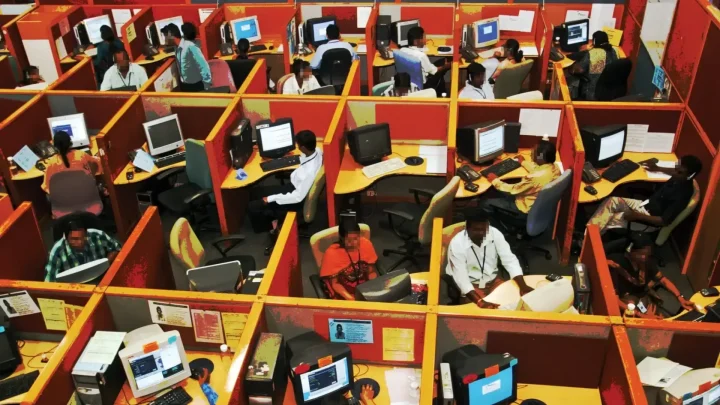
Pakistan is Using Far More Imported Coal to Make Electricity
While the average fuel cost of power generation climbed 32% to Rs, pakistan's electricity generation rose 5% year over year to 13, 217 gigawatt-hours (GWh) in September 2026.
While the average fuel cost of power generation climbed 32% to Rs, pakistan's electricity generation rose 5% year over year to 13, 217 gigawatt-hours (GWh) in September 2026.
Article outline
- What happened
- The key numbers
- Background
- The details
- The bottom line
Key points
- During 1QFY27, Pakistan generated 43, 281 GWh of electricity, compared with 40, 933 GWh in the same quarter last year.
- Furnace oil (FO) generation climbed 171% to 263 GWh, compared with 97 GWh in September 2025.
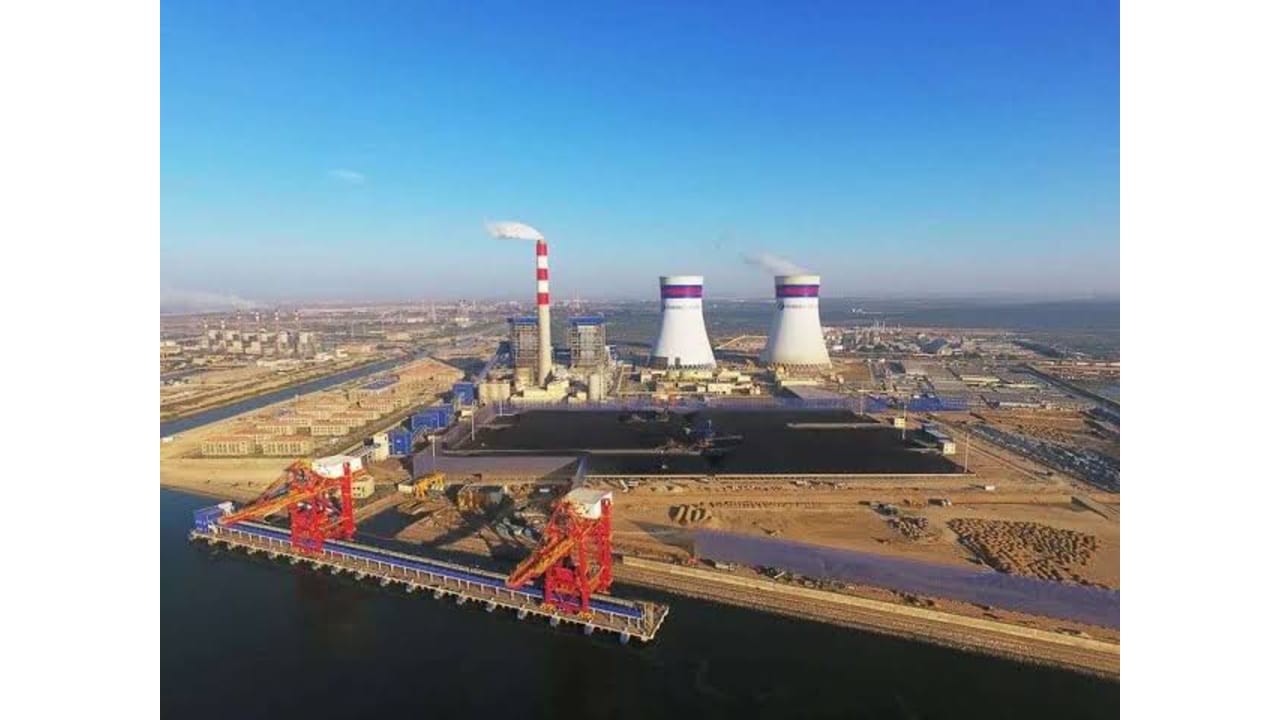
- Imported coal-fired power generation more than doubled year over year in September, rising 111% to 2, 155 GWh from 1, 019 GWh a year earlier.
- While nuclear generation fell 14% to 4, 948 GWh, in contrast, RLNG generation declined 42% to 3, 744 GWh.
- While locally mined coal generation rose 10% to 1, 327 GWh, wind power generation rose 36% to 464 GWh.
Despite the annual growth, power generation fell 12% from August's 14, 942 GWh. Total generation during the first quarter of fiscal year 2026-27 (1QFY27) reached 43, 281 GWh, up 6% from 40, 933 GWh in the same period last year.
Meanwhile, the average fuel cost of electricity generation declined 7% month over month in September, from Rs. 10 per unit in August. Nevertheless, the quarterly average rose 36% year over year to Rs. 10.1 per unit, compared with Rs. 7.4 in 1QFY26. Imported coal and furnace oil lead annual generation expansion.
Imported coal-fired power generation more than doubled year over year in September, rising 111% to 2, 155 GWh from 1, 019 GWh a year earlier. Its share of the national generation mix rose to 16.3% from 8.1%.
Furnace oil (FO) generation climbed 171% to 263 GWh, compared with 97 GWh in September 2025. Its share of the power mix rose to 2% from 0.8%.
While locally mined coal generation rose 10% to 1, 327 GWh, wind power generation rose 36% to 464 GWh. Gas-based generation grew 13% to 1, 066 GWh.
While regasified liquefied natural gas (RLNG) generation fell 56% to 804 GWh, nuclear power generation declined 15% year over year to 1, 893 GWh. Hydropower output edged up 1% to 4, 834 GWh, remaining the largest source of electricity generation during the month. Hydropower remains the largest source of electricity.
Hydropower accounted for 36.6% of Pakistan's electricity generation in September, down from 38% a year earlier. Imported coal contributed 16.3%, followed by nuclear power at 14.3% and locally mined coal at 10%.
While RLNG contributed 6.1%, gas accounted for 8.1% of generation. Wind power represented 3.5% of the total, followed by furnace oil at 2%, high-speed diesel at 1.6%, solar at 0.8% and bagasse at 0.3%.
In practice, the generation mix additionally shifted compared with August. While imported coal's share rose to 16.3% from 15.6%, nuclear power's share rose to 14.3% from 10.2%. Hydropower's contribution declined to 36.6% from 37.8%, and wind power's share fell to 3.5% from 5.6%.
In practice, the average fuel cost of power generation reached Rs. 9.4 per unit in September, up from Rs. 7.1 a year earlier, according to Topline Research. RLNG recorded one of the sharpest increases in fuel cost, rising 87% year over year to Rs. 39.7 per unit. Furnace oil costs rose 58% to Rs. While imported coal costs rose 25% to Rs, 44.9 per unit. 17.2 per unit.
Nuclear power generation costs rose 33% to Rs. While the cost of electricity generated from locally mined coal fell 54% to Rs, 2.9 per unit. 6 per unit. Gas-based generation costs declined 3% to Rs. 13 per unit, and bagasse costs rose 10% to Rs. 10.9 per unit.
On a month-over-month basis, the aggregate fuel cost declined from Rs. 10 per unit in August to Rs. 9.4 in September. RLNG costs fell 14% to Rs. While gas costs declined 8% to Rs, 39.7 per unit. 13 per unit. Imported coal costs rose 1% to Rs. 17.2 per unit.
During 1QFY27, Pakistan generated 43, 281 GWh of electricity, compared with 40, 933 GWh in the same quarter last year. While wind generation rose 37% to 1, 979 GWh, imported coal generation rose 102% year over year to 6, 654 GWh. Locally mined coal output grew 11% to 4, 603 GWh, and gas generation edged up 1% to 3, 108 GWh.
While nuclear generation fell 14% to 4, 948 GWh, in contrast, RLNG generation declined 42% to 3, 744 GWh. Hydropower output rose 3% to 16, 507 GWh.
In practice, the average fuel cost of power generation reached Rs. 10.1 per unit during the quarter, up from Rs. 7.4 a year earlier. Quarterly costs rose throughout a number of major fuel sources, including RLNG, furnace oil and imported coal. Stay Connected with ProPakistani.
Obtain the latest business news, market insights, and economic updates wherever you prefer. Follow on Google Discover. Follow on Google News Join WhatsApp. See more ProPakistani stories in Google Search and Top Stories.
For now, pakistan is Using Far More Imported Coal to Make Electricity remains the part of the story worth watching, and further updates are likely as more details are confirmed.