Pakistan nears consensus on new auto policy, balancing protection and liberalization
Notably, the policy, known as the Auto Industry Development and Export Policy (AIDEP) 2026-31, intends to balance the competing interests of local industry protection and gradual tariff liberalization.
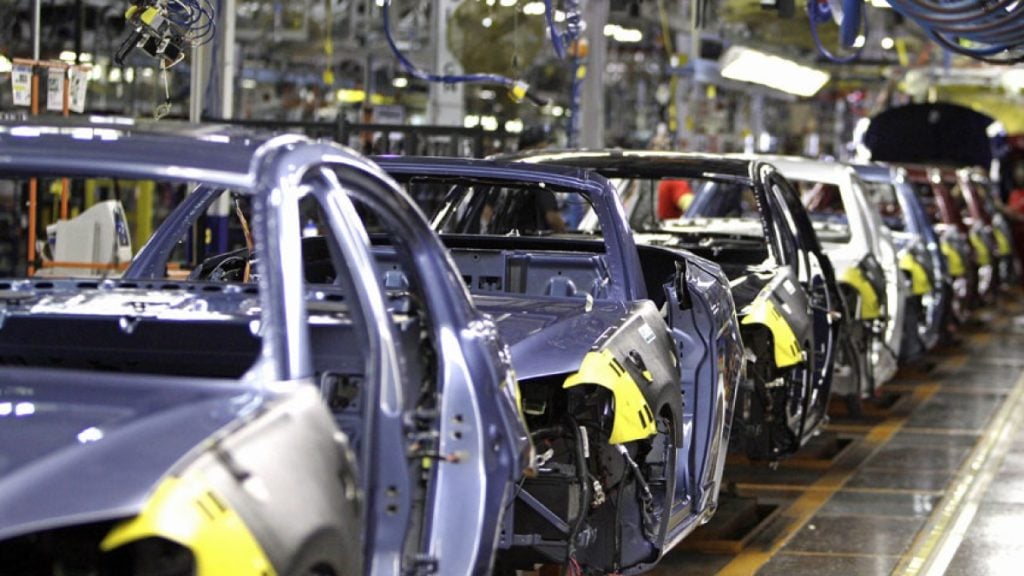
Notably, the policy, known as the Auto Industry Development and Export Policy (AIDEP) 2026-31, intends to balance the competing interests of local industry protection and gradual tariff liberalization.
Article outline
- What happened
- The key numbers
- The details
- The bottom line
Key points
- The National Tariff Policy is pushing Pakistan toward a significantly lower tariff structure, aiming for a maximum customs duty of 15% on imported CBUs by 2030.
- The draft policy, nevertheless, still requires final approval from the Prime Minister and the International Monetary Fund.
- According to a recent analysis by JS Global, the final policy is projected to strike a middle ground, with a gradual reduction in CBU duties probable.
- "Gradual tariff liberalisation and rising competition should continue to constrain pricing power over the medium term, particularly with new entrants expanding, " the JS Global report stated.
- The administration is additionally tightening regulations on used-car imports to protect the local industry.
For context, the draft policy, nevertheless, still requires final approval from the Prime Minister and the International Monetary Fund. While the Ministry of Commerce is pushing for lower tariffs on completely built-up units (CBUs), in line with the National Tariff Policy (NTP) 2025-30, the Ministry of Industries and Production (Mol&P) is advocating for continued protection for local assemblers and enhanced localization.
According to a recent analysis by JS Global, the final policy is projected to strike a middle ground, with a gradual reduction in CBU duties probable. To maintain the competitiveness of the domestic industry, the administration may additionally lower duties on completely knocked-down (CKD) kits. This transition, the analysis notes, will probable constrain pricing power for manufacturers over the medium term as competition intensifies.
Notably, the National Tariff Policy is pushing Pakistan toward a significantly lower tariff structure, aiming for a maximum customs duty of 15% on imported CBUs by 2030. This is a stark contrast to the current rates. It can be as high as 155% for larger vehicles. The Ministry of Industries and Production has proposed a more gradual approach, with tariff rates for different engine capacities set between 40% and 75% by 2030.
Notably, the administration is additionally tightening regulations on used-car imports to protect the local industry. Schemes like Transfer of Residence and Gift imports are now subject to stricter safety and environmental standards, and a new import interval of 850 days has been imposed. Early signs of the policy's impact are visible, with used-car imports declining 15% year-on-year in the third quarter of fiscal year 2026. Sales Tax on Hybrids and EV Incentives.
In practice, a key point of contention has been the sales tax on hybrid electric vehicles (HEVs) and plug-in hybrid electric vehicles (PHEVs). Concessionary rates expired on June 30, 2026, reverting vehicles to a 25% sales tax tier. While the administration is not anticipated to reinstate the old rates, recent proposals suggest a new, reduced rate of 18% may be adopted.
Incentives for new energy vehicles (NEVs), including electric vehicles (EVs), are projected to remain a priority. The administration has extended customs duty concessions on EV-specific parts for one year and retained a concessional sales tax rate of 1% for locally manufactured EVs. This comes as Pakistan maintains a long-term target for EVs to comprise 30% of new vehicle sales by 2030.
While the new policy is projected to provide some near-term relief to local assemblers through CKD tariff adjustments, the long-term trajectory is toward greater competition.
For now, pakistan nears consensus on new auto policy, balancing protection and liberalization remains the part of the story worth watching, and further updates are likely as more details are confirmed.