Pakistan Plans 16.2 Million Free Smart Meters Rollout
Pakistan is planning to replace 16.219 million conventional electricity meters with advanced smart metering systems throughout five power distribution businesses, in a project estimated to require up to $1.3 billion in investment.
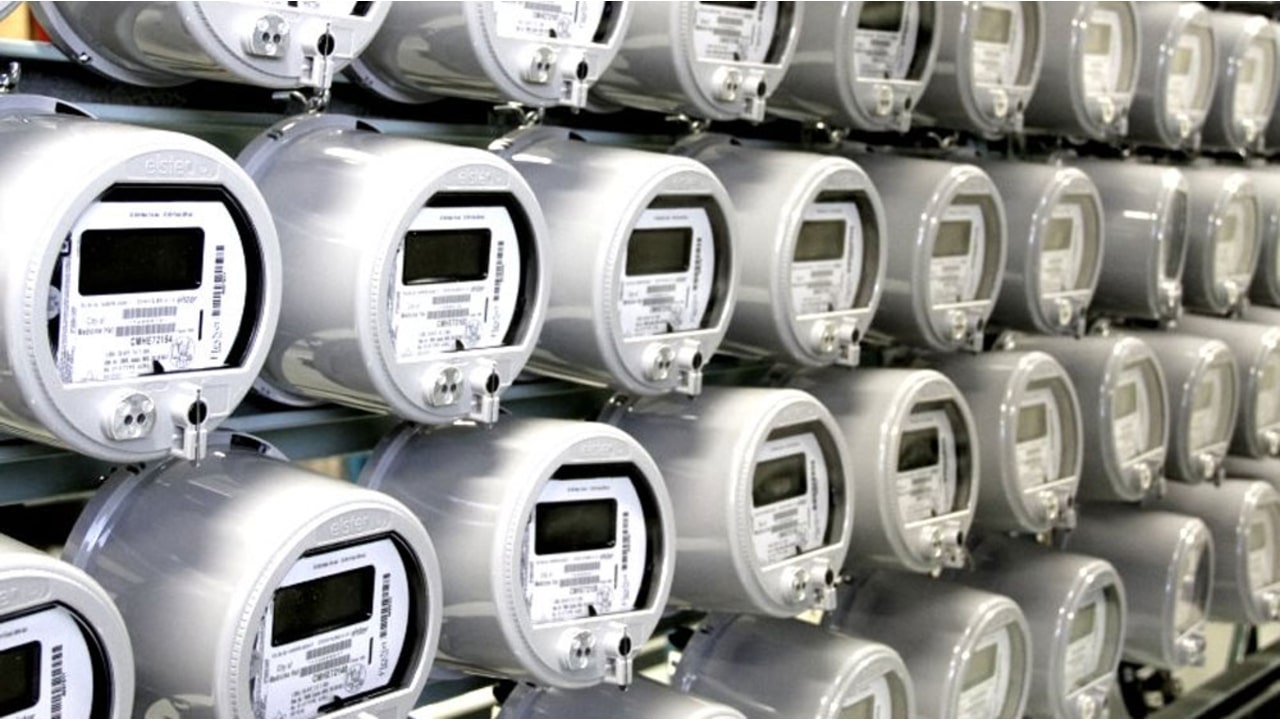
Pakistan is planning to replace 16.219 million conventional electricity meters with advanced smart metering systems throughout five power distribution businesses, in a project estimated to require up to $1.3 billion in investment.
Article outline
- What happened
- The key numbers
- What comes next
- The details
- A closer look
- The bottom line
Key points
- IFC's preliminary assessment estimates the investment requirement at $60 to $80 per meter, putting the overall project cost between approximately $973 million and $1.298 billion.
- PTA Inspects 226 Mobile Sites, Finds Faulty Batteries, Generators and Power Woes.
- Govt Decides to Change Electricity Market as Solar Adoption Reaches Record Highs.
- Under the proposed arrangement, 16.219 million conventional single-phase meters will be replaced or upgraded through private AMI service providers under a public private partnership (PPP) model.
- One of the key features of the proposed arrangement is that consumers will not have to pay upfront for replacing their existing meters.
Notably, the International Finance Corporation (IFC), the private sector investment arm of the World Bank Group, is preparing to discuss the initiative and broader power sector reforms with the Power Division during a visit to Pakistan from November 24 to December 2, 2026.
IFC Regional Vice President Imad Najib Ayed Fakhoury, accompanied by senior management, has requested a session with the Power Minister on November 30 to discuss backing for distribution firm reforms, transmission infrastructure and measures to reduce energy costs.
PTA Inspects 226 Mobile Sites, Finds Faulty Batteries, Generators and Power Woes. Consumers Will Not Pay Upfront for Smart Meters.
One of the key features of the proposed arrangement is that consumers will not have to pay upfront for replacing their existing meters. While private investors will receive an agreed payment per meter through monthly electricity bills, installation will be provided free of cost.
Payments to investors will be created in local currency. The structure is intended to attract private capital without requiring the administration or consumers to bear the full initial cost of replacing millions of meters.
IFC's preliminary assessment estimates the investment requirement at $60 to $80 per meter, putting the overall project cost between approximately $973 million and $1.298 billion. The estimate includes meter supply and installation, connectivity with Head End Systems and Meter Data Management systems, licensing fees and associated expenses.
Notably, the final project cost will be determined after the first international competitive bidding process. Sources remarked the program is anticipated to be completed within two years. National Grid Intends Rs. 100 Billion Upgrade Without Govt Backing. Five DISCOs Included in Smart Meter Project.
For context, the proposed Advanced Metering Infrastructure (AMI) programme will cover Lahore Electric Supply Firm (LESCO), Multan Electric Power Business (MEPCO), Peshawar Electric Supply Firm (PESCO), Hazara Electric Supply Business (HAZECO) and Quetta Electric Supply Firm (QESCO).
Under the proposed arrangement, 16.219 million conventional single-phase meters will be replaced or upgraded through private AMI service providers under a public private partnership (PPP) model. The rollout will take place in multiple phases, with initial implementation focusing on priority feeders.
In practice, the project intends to reduce electricity distribution losses, improve billing accuracy and revenue recovery, strengthen operational efficiency and network reliability, and restore consumer confidence in the power sector.
Govt Decides to Change Electricity Market as Solar Adoption Reaches Record Highs. IFC Already Appointed Transaction Advisor.
IFC has already been engaged as the transaction advisor for the project. A Transaction Advisory Services Agreement was signed on April 17, 2026, for a period of three years.
Its role includes developing the project's financial, technical, and legal framework and structuring a commercially viable arrangement. Any direct investment by IFC would require a separate investment decision and applicable approvals.
Notably, the advisory assignment will proceed in four phases. The first will cover project diagnostics, data validation, business case development and preparation of the rollout plan. The second will focus on transaction structuring and market sounding, including technical, commercial, financial, and legal assessments.
While the final phase will cover contract finalization and achievement of financial close, the third phase will involve procurement backing and management of the bidding process.
Govt Clears 11 Development Projects Worth Rs. 191.8 Billion Including Atomic Energy Project. Investor Interest to Be Assessed.
Meanwhile, the Private Power and Infrastructure Board (PPIB) is projected to hold market sounding sessions in Karachi and Islamabad to assess investor interest and obtain feedback on the proposed transaction structure.
IFC's consultants are additionally working on a feasibility assessment covering the project's financial, technical, and legal components to determine its viability and identify an appropriate PPP structure.
Notably, the program is part of broader efforts to address persistent challenges in Pakistan's electricity distribution system, including high distribution losses, inaccurate billing, electricity theft and fragile recovery of billed amounts. Stay Connected with ProPakistani.
Obtain the latest business news, market insights, and economic updates wherever you prefer. Follow on Google Discover. Follow on Google News Join WhatsApp. See more ProPakistani stories in Google Search and Top Stories.
In short, pakistan Plans 16.2 Million Free Smart Meters Rollout is the central thread here, and readers can expect follow-up reporting as the picture becomes clearer.