Pentagon quizzes NATO allies on political loyalty, documents reveal
Meanwhile, the Pentagon has handed NATO allies of the United States a long list of questions regarding whether they are adhering to President Donald Trump's vision for the transatlantic alliance, according to documents obtained exclusively by Al Jazeera.
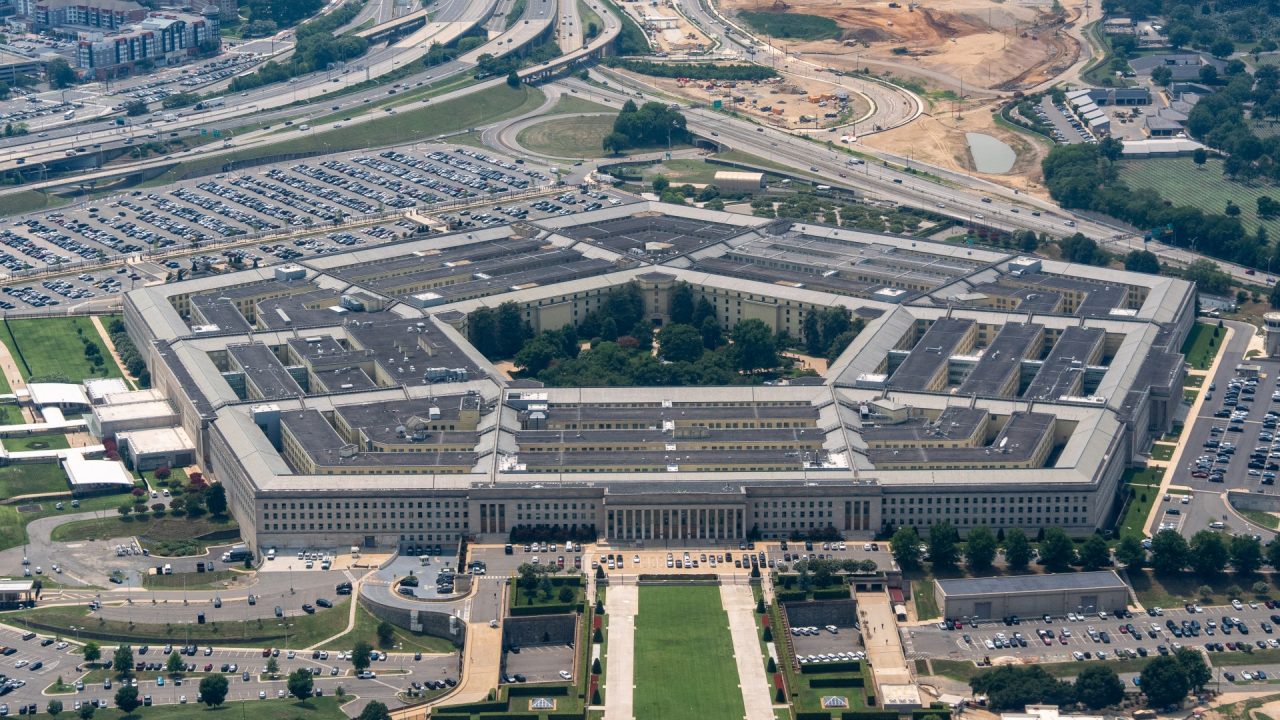
Meanwhile, the Pentagon has handed NATO allies of the United States a long list of questions regarding whether they are adhering to President Donald Trump's vision for the transatlantic alliance, according to documents obtained exclusively by Al Jazeera.
Article outline
- What happened
- What comes next
- Official response
- The key numbers
- Why it matters
- The bottom line
Key points
- The three-page document, titled "Questions for NATO Allies & Other Key Stakeholders", was obtained from an official who received it.
- A number of European countries imposed such restrictions after the start of the war on February 28.
- Back in March, Spain additionally closed its airspace to US planes and refused to let the US apply bases for attacks against Iran.
- The questionnaire asks whether allies have endorsed the Trump administration's "NATO 3.0" concept.
- Other lines echo Trump's demands that the allies spend more on defence and contribute more to NATO's command and makeup of forces.
In practice, the questionnaire asks pointedly whether the allies have been "publicly supportive of US foreign policy priorities".
Another bullet point poses the query, "Has the country shown alignment with the US approach to 'strong, clear, and quiet?'" a reference to a phrase applied by Defense Secretary Pete Hegseth in his address at the Shangri-La Dialogue in May.
Notably, the markings on the document and the phrasing suggest the questions are meant to guide interactions between US authorities and their NATO counterparts during an ongoing six-month Pentagon review of American forces in Europe.
For context, the three-page document, titled "Questions for NATO Allies & Other Key Stakeholders", was obtained from an official who received it. Bloomberg News first documented on parts of the questionnaire.
In practice, the most overtly political questions come at the end. One question probes allies regarding whether they have placed restrictions on US access to bases and military flights over their countries, an problem that has become a source of friction against the backdrop of the US-Israel war on Iran.
Meanwhile, a number of European countries imposed such restrictions after the start of the war on February 28.
"Are they willing to reduce or eliminate any such restrictions?" the questionnaire then asks.
Experts say the document reflects a growing effort under Trump to involve US allies in the Iran war, even if the conflict falls outside the purview of NATO's collective defence pact.
"This administration has been confusing NATO topics with unilateral US military operations, " a senior defence official from a NATO ally remarked on condition of anonymity. "This questionnaire additionally reflects this confusion. NATO has nothing to do with the Middle East."
In practice, the questionnaire asks whether allies have endorsed the Trump administration's "NATO 3.0" concept. It calls for European allies to take on more responsibility for their own defence with "more limited US support".
Certain countries have already run afoul of the demands the questionnaire refers to.
Trump, for instance, has repeatedly berated Spain over its decision to seek an exemption from a 2025 agreement among NATO allies to raise their military spending to 5 percent of their gross domestic products (GDPs).
Back in March, Spain additionally closed its airspace to US planes and refused to let the US apply bases for attacks against Iran. Trump responded by threatening to cut trade with Madrid.
Meanwhile, a senior European official, speaking on condition of anonymity, observed that the questionnaire "doesn't explicitly condition US military presence on political loyalty".
But, the official continued, it does reflect "the Pentagon's desire to develop the case for specific, almost vindictive force presence reductions". It additionally sends a message to allies to "be on the good side of the White House by expecting close alignment with the White House agenda". The Pentagon did not immediately respond to questions regarding this story.
"These kinds of issues do come up in the conversation, Democrat or Republican, " US former Deputy Assistant Secretary of Defense Jim Townsend informed Al Jazeera's This is America programme.
"We do know this administration cares particularly much concerning loyalty, whether it's their own individuals or the allies, particularly. And, you know, he – President Trump – has talked to the allies quite sternly regarding his expectations for their loyalty and backing for the US."
Taken together, the developments around pentagon quizzes NATO allies on political loyalty, documents reveal point to a situation that is still moving, and the coming days should bring more clarity.