
Russia maintains election ban on opposition Yabloko, jails deputy head
Supreme Court ruling supports Kremlin's clampdown on the political party ahead of September's parliamentary vote.
Key points
- The conviction is based on legislation passed since Russia’s full-scale invasion of Ukraine in February 2022.
- We also see that the police officers are highly nervous today,” Kirill Goncharov, head of Yabloko’s Moscow branch, told the…
- In a defiant closing speech at the trial, Shlosberg labelled the war as a catastrophe for Russia.
- “The lives of countless thousands of people have been cut short during this time.
The opposition party confirmed on Monday that its appeal had failed,
Russia’s top court has rejected an appeal by the anti-war Yabloko party against a recent ruling banning it from taking part in upcoming elections. Opposition activists said the ban is evidence of the increasing erosion of Russia’s democracy and an attempt to silence opposition to the war in Ukraine.
The Supreme Court handed down the ban last week, removing the only registered political party calling for an end to the Russia-Ukraine war from the ballot in September’s parliamentary vote.
“The Appeals Chamber of the Supreme Court upheld the court’s decision to revoke the registration of Yabloko’s federal list of candidates for the State Duma elections,” the party stated in an official note on Monday, adding that it would seek a supervisory review.
The case against Yabloko was filed by Rodina, a small pro-Kremlin nationalist party. It accused Yabloko of being backed by Western countries and seeking to undermine both the election process and Russia itself.
Yabloko rejected the accusations, saying the party represented the views of millions of Russians and the ban effectively stripped away the only option for people resisted to the Ukraine war.
Deputy leader jailed
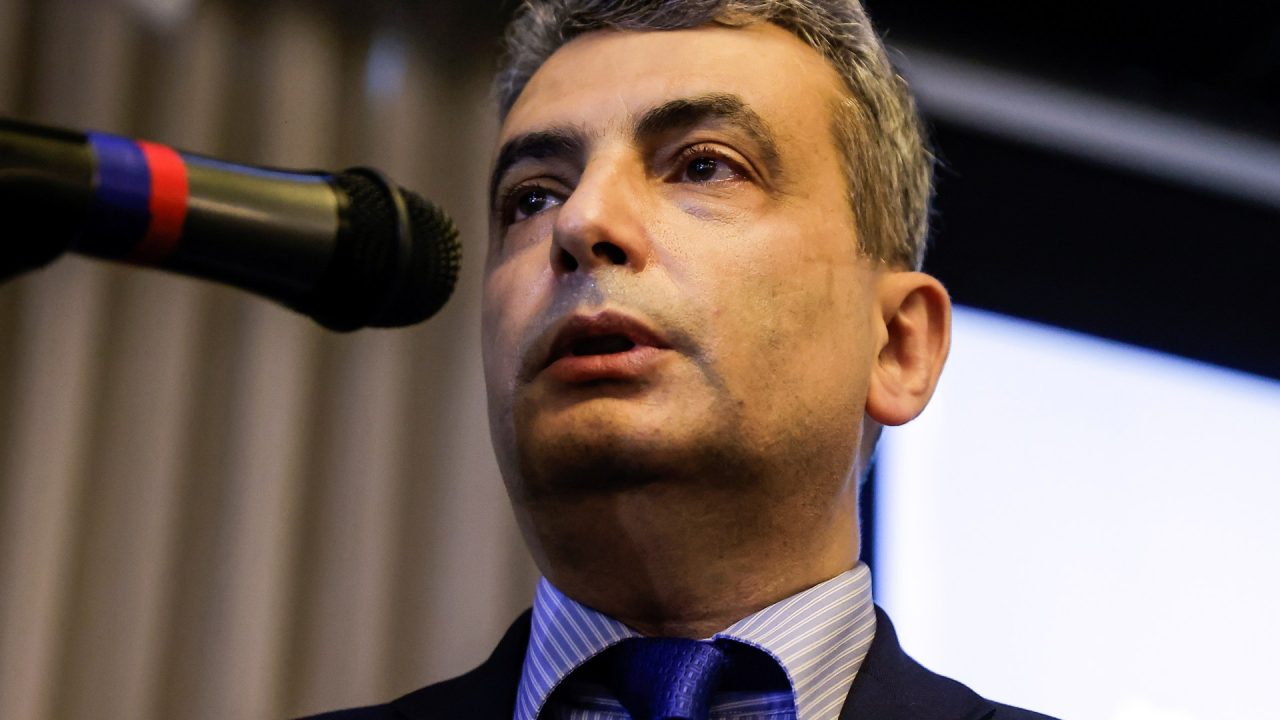
On the same day as the party lost its appeal, another court sentenced Yabloko’s deputy leader Lev Shlosberg to 11 years and one month in a penal colony for his opposition to the war in Ukraine.
Shlosberg was found guilty of harming the reputation of Russia’s armed forces and lying concerning them.
The conviction is based on legislation passed since Russia’s full-scale invasion of Ukraine in February 2022. It paves the way for lengthy terms for those found guilty of “discrediting” the military or deliberately spreading false information concerning the war.
Consequently, few groups have openly criticised the conflict. But individuals such as Shlosberg, human rights campaigner Oleg Orlov and the late dissident Alexei Navalny spoke out against “tyranny and repression” from the dock with no realistic chance of acquittal.
“The lives of countless thousands of people have been cut short during this time. Sooner or later, the precise and complete death toll – with names included – will be produced public, and the entire nation will shudder at this list of martyrs.”
‘Intimidation’
Police detained dozens of supporters and journalists who had come to listen to the court decision and took some to nearby police stations.
“Many detainees today. We also see that the police officers are highly nervous today,” Kirill Goncharov, head of Yabloko’s Moscow branch, told the independent outlet Novaya Gazeta.
In the courtroom, party leader Nikolay Rybakov called the detentions “intimidation”.
Related stories

How genocidal war on Gaza is shaping Israel’s election
Attention has turned to how genocidal war on Gaza is shaping Israel's election, a development that is being followed closely by readers who track…

US justice department investigates TV networks over Trump pool coverage
11 October 2026, 01: 49 BST. Updated 1 hour ago.

Trump ‘may’ join Saudi strikes on Houthis after Riyadh airport attack
Attention has turned to trump 'may' join Saudi strikes on Houthis after Riyadh airport attack, a development that is being followed closely by readers…
India'Tata bye-bye': 2-term BJP MP quits party over Rajya Sabha ticket snub
Attention has turned to india' Tata bye-bye' : 2-term BJP MP quits party over Rajya Sabha ticket snub, a development that is being followed…