Scientists Discover 31 New Genetic Regions Linked to Fatty Liver Disease
Researchers at Karolinska Institutet have identified 31 previously unknown genetic regions linked to liver fat levels, offering new insights into the causes of fatty liver disease and the risk of developing liver cancer.
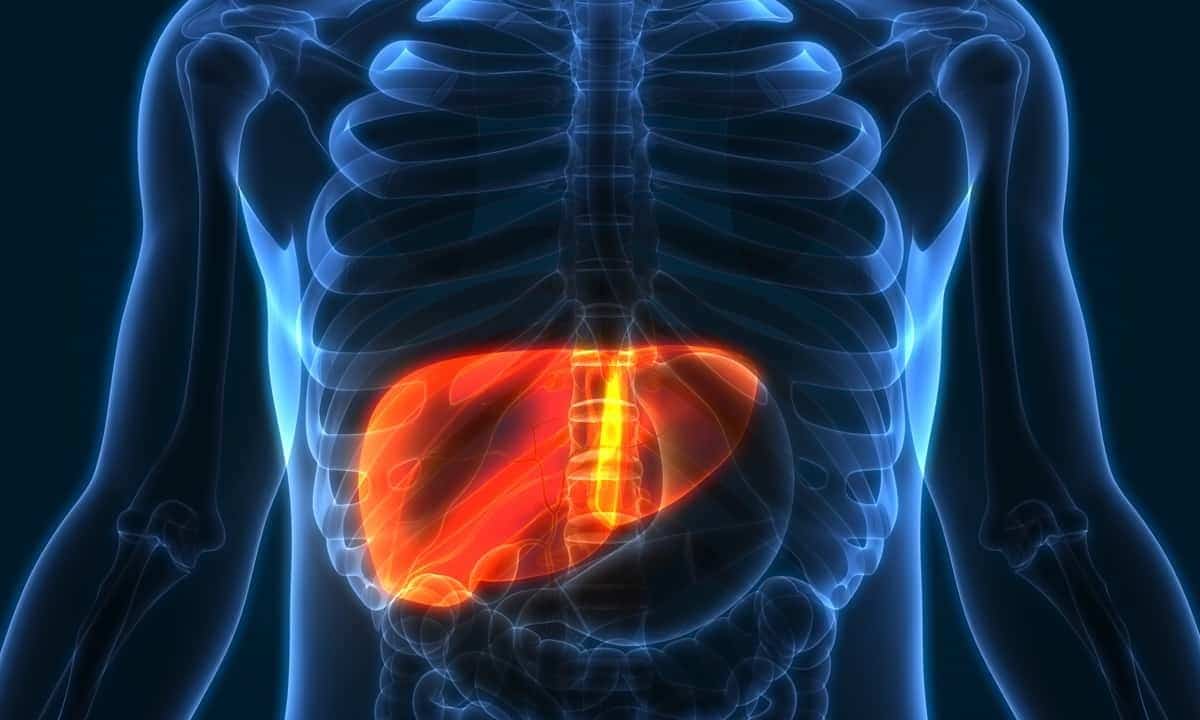
Researchers at Karolinska Institutet have identified 31 previously unknown genetic regions linked to liver fat levels, offering new insights into the causes of fatty liver disease and the risk of developing liver cancer.
Article outline
- What happened
- Why it matters
- The bottom line
Key points
- The study analyzed genetic data and MRI scans from 71, 488 individuals of European descent in the UK Biobank.
- The research team identified 60 genetic regions associated with liver fat levels, including 31 that had not previously been linked to this trait.
- Nevertheless, the researchers observed that the study included only individuals of European descent.
- Fatty liver disease occurs when triglycerides, a type of fat, accumulate in the liver.
- Researchers additionally employed multiple methods to identify the genes potentially affected by these genetic variations.
In practice, the study analyzed genetic data and MRI scans from 71, 488 individuals of European descent in the UK Biobank. Published in Nature Genetics, it is the largest study to examine the entire genome alongside MRI-based measurements of liver fat. Experts Warn of Rising Heart Disease Risk Among Pakistani Women.
Fatty liver disease occurs when triglycerides, a type of fat, accumulate in the liver. Although genetics play an significant role in the condition, scientists have not fully understood which genes contribute to its development.
In practice, the research team identified 60 genetic regions associated with liver fat levels, including 31 that had not previously been linked to this trait. The findings suggest that common genetic differences account for around 25% of the variation in liver fat levels among individuals.
"By almost doubling the number of known genetic regions linked to liver fat, we get a clearer picture of the biological processes behind fatty liver disease, " remarked Stefano Romeo, a professor at Karolinska Institutet's Department of Medicine in Huddinge.
Researchers additionally employed multiple methods to identify the genes potentially affected by these genetic variations. They identified probable disease-related genes in 48 of the 60 regions.
Additionally, the team developed a genetic risk score based on numerous genetic variants. Individuals with the highest scores were more probable to develop fatty liver disease and liver cancer than those with the lowest scores. This suggests that inherited factors contributing to liver fat accumulation may additionally influence the risk of liver disease afterwards in life.
Nevertheless, the researchers observed that the study included only individuals of European descent. Further research involving more diverse populations is needed to determine whether the findings apply to other groups. Scientists must additionally confirm some of the newly identified genetic regions. Stay Connected with ProPakistani. Obtain the latest international news and global stories wherever you prefer. Follow on Google Discover. Follow on Google News Join WhatsApp. See more ProPakistani stories in Google Search and Top Stories.
For now, scientists Discover 31 New Genetic Regions Linked to Fatty Liver Disease remains the part of the story worth watching, and further updates are likely as more details are confirmed.