Scientists Use AI-Designed Viruses to Treat Human Patient
Scientists have administered artificial intelligence-designed viruses to a human patient for the first time in an experimental treatment aimed at fighting a serious bacterial infection, according to a report by The New York Times.
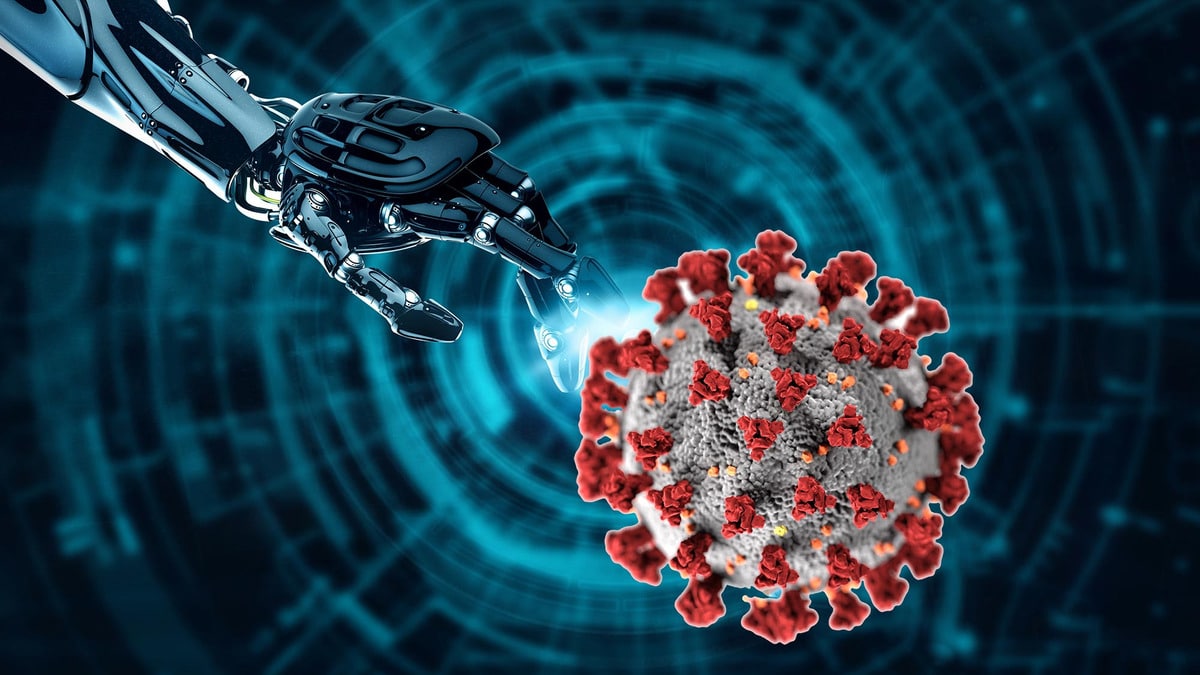
Scientists have administered artificial intelligence-designed viruses to a human patient for the first time in an experimental treatment aimed at fighting a serious bacterial infection, according to a report by The New York Times.
Article outline
- What happened
- Background
- The key numbers
- Why it matters
- The details
- The bottom line
Key points
- OpenAI's AI Agents Are Disabling Safeguards Meant to Keep Them in Check.
- In 2025, researchers developed an AI model called Evo 2, trained on millions of DNA sequences, including those from viruses.
- In June 2026, the firm introduced Omnii, an AI system designed to work with multiple forms of biological data.
- The development builds on research conducted at the Arc Institute in California.
- The model generated approximately 700, 000 viral genomes.
Notably, the treatment uses specially designed viruses called bacteriophages, or phages. It infect and kill bacteria. Researchers hope the AI-generated viruses can eliminate an E. Coli infection that has resisted antibiotics and existing phage treatments.
Meanwhile, the viruses were developed by US biotechnology startup Radical Numerics. It confirmed the treatment on Tuesday, October 20.
Nevertheless, the business has not disclosed details regarding the patient or the doctors involved, citing confidentiality requirements. How AI Designed the Viruses.
Radical Numerics developed the treatment using its AI model, Omnii. It can analyze DNA sequences, protein structures, and other biological information.
For context, the firm created modified versions of a virus called T7. It specifically targets E. Coli bacteria.
Researchers applied Omnii to redesign the virus's leg-like structures, allowing it to attach to bacterial strains that existing phages could not infect.
After generating the new viral genomes, scientists produced the corresponding DNA and inserted it into bacteria. Laboratory testing indicated that the modified viruses could infect and kill the targeted bacteria.
For context, the researchers then conducted safety checks before providing the viruses to doctors treating the patient. The US Food and Drug Administration (FDA) authorized the experimental treatment.
Nevertheless, Radical Numerics has not disclosed whether the patient has recovered or whether the treatment successfully cleared the infection.
Meanwhile, the company's technical findings have additionally not undergone peer review or been published in a scientific journal.
Notably, the development builds on research conducted at the Arc Institute in California.
In practice, the model generated approximately 700, 000 viral genomes. Researchers selected 285 designs for laboratory testing and discovered that 16 produced viable viruses.
Three researchers from the project, including Dr. Eric Nguyen, afterwards established Radical Numerics.
Besides designing viruses, the firm is exploring applications in cancer vaccine development and identifying potential pandemic risks. US Bans DeepSeek Throughout Federal Civilian Agencies Over Security Risks. Faster Treatment for Resistant Infections.
Radical Numerics believes AI could significantly reduce the time required to develop personalized treatments for antibiotic-resistant infections.
Traditional phage therapy can involve lengthy searches for viruses capable of attacking a specific bacterial strain.
By using AI to design suitable viruses, researchers hope to shorten the process to a matter of days.
Eric Nguyen, the company's chief executive, remarked the team believes it could eventually create personalized treatments within days.
Nevertheless, researchers still need clinical evidence to establish whether AI-designed phages can safely and effectively treat infections in humans.
In practice, the treatment represents an early clinical application of AI-designed viruses, but its effectiveness remains unconfirmed. Stay Connected with ProPakistani.
Obtain the latest tech news, telecom insights, and product launches wherever you prefer. Follow on Google Discover. Follow on Google News Join WhatsApp. See more ProPakistani stories in Google Search and Top Stories.
Technology and Automotive Specialist covering the latest cars, smartphones, AI breakthroughs, and.
For now, scientists Use AI-Designed Viruses to Treat Human Patient remains the part of the story worth watching, and further updates are likely as more details are confirmed.