

Paediatricians in Bengaluru are reporting a rise in influenza-like illness, fever and respiratory infections, particularly school-going children, with some cases testing positive for H1N1.
Doctors, however, stated not every child with fever, cough or cold is being tested, with testing largely restricted to those with severe or prolonged symptoms.
At the State-run Vani Vilas Women and Children Hospital, Chikkanarasa Reddy, P.S., professor and head of Paediatrics, said more than 110 children, around 80% of the daily OPD load, were being seen daily with high-grade fever, cold, cough, vomiting and diarrhoea.
Dr. Reddy said testing was mainly being considered for children with high-grade or persistent fever and signs of severity. The limited testing means confirmed H1N1 numbers do not represent the overall burden of influenza-like illness in the city.
Parents should watch for fast or laboured breathing, chest retraction, unusual lethargy and irritability, particularly in children below five years. Although a number of children with viral fever were being seen daily.
“We are testing only SARI cases as of now as there is no policy to test all, and two to three cases among these viral fever patients are being confirmed as H1N1 every day,” he said.
Spread in schools
Vikas Satwik, senior paediatrician and neonatologist, Motherhood Hospitals, Hebbal, noted there was a clear rise in H1N1 and influenza-like illness among children visiting outpatient and emergency departments.
“Although there is an expected rise in cases due to the monsoon season, this year’s number is much higher compared to last year,” he said.
He stated school-going children accounted for a significant share of cases, with classroom crowding and inadequate ventilation aiding transmission, children with asthma, recurrent wheezing, heart disease or weakened immunity require closer monitoring as they are more vulnerable to pneumonia, respiratory distress and dehydration, he said.
Not an outbreak
At the Indira Gandhi Institute of Child Health, a dedicated administration facility for children, Director Narendra Babu said there was no outbreak and no need for alarm. Children between six months and 18 years were being affected, particularly those aged two to five and 10 to 14 years. Symptoms include fever, tiredness, sore throat, body aches and respiratory complaints, with some also reporting nausea, diarrhoea and stomach pain.
Sujatha Thyagarajan, lead and head of Paediatric Intensive Care and Paediatric Emergency at Aster Women and Children Hospital, stated, “What is noticeable is that this is happening before the usual seasonality pattern starts showing up. The monsoon humidity, temperature changes and close classroom interaction contribute to transmission.”
Who should be tested
Most children with mild cough, cold and fever did not require testing, particularly if they remained active and were eating and drinking well. High-grade fever with chills, sore throat, cough, cold and marked fatigue may point towards influenza. Some children may also develop myositis, causing muscle pain and difficulty walking, Ms. Thyagarajan said.
Testing becomes notable when fever is very high or prolonged, or when a child is unusually tired, unable to eat or drink, dehydrated or has breathing difficulty, she remarked.
Precautions
Doctors advised keeping children with fever or flu-like symptoms away from school until they have been fever-free for 48 hours. Hand hygiene, avoiding close contact with symptomatic persons and adequate ventilation were recommended.
Annual influenza vaccination was advised, particularly for children below five years and those in high-risk groups. Doctors also cautioned against self-medication, especially cough syrups without medical advice.
Published – August 18, 2026 08:38 pm IST
Related stories

Arumainayagam elated with Arjuna Award (Lifetime) honour
Arumainayagam elated with Arjuna Award (Lifetime) honour Updated - August 18, 2026 09:27 pm IST - BENGALURU:Sports Bureau Arumainayagam was a brilliant winger in his heyday. | Photo…
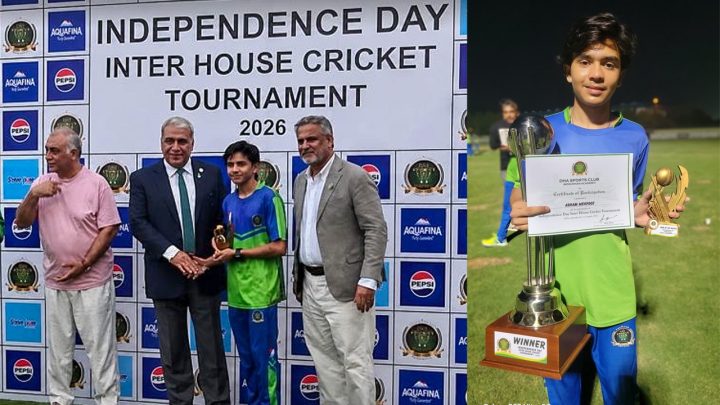
Young Cricketer Arham Mehfooz Shines with Outstanding All-Round Performance, Named Man of…
Sixteen-year-old cricketer Arham Mehfooz delivered an outstanding all-round performance at the Independence Day Inter-House Cricket Tournament held on August 15… Read More The post…
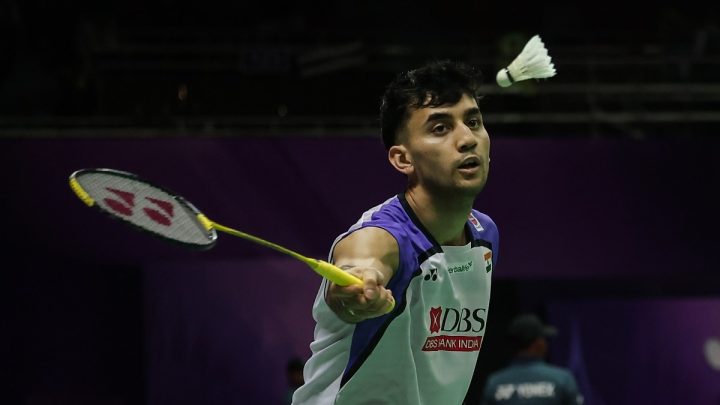
Lakshya bhai superstar: Crowd favourite Sen solves drift to survive scare
Lakshya Sen had to dig deep to survive a massive scare against World No.128 Collins Valentine FilimonHere’s what the Indian shuttler had to say…

Iran clubs face Qatar and UAE sides at neutral venues in Champions…
Following the start of the US-Israel war on Iran, the first match of the Iranian league was played last week.