Thar Coal Project to Cut Diesel Costs by Rs. 25 Million Daily
Work has began on connecting Thar coal mines to the national electricity grid and save Pakistan $25-30 million annually in diesel costs.
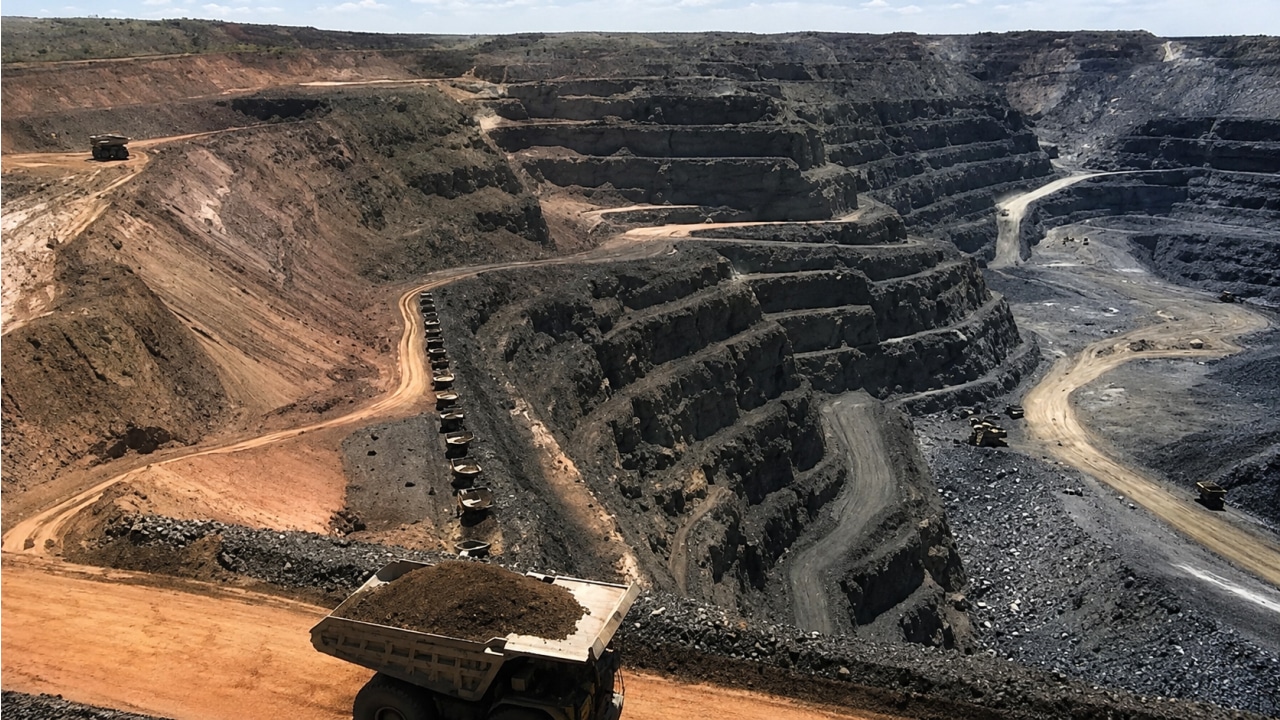
Work has began on connecting Thar coal mines to the national electricity grid and save Pakistan $25-30 million annually in diesel costs.
Article outline
- What happened
- The key numbers
- The bottom line
Key points
- The mines consume between 200, 000 and 250, 000 litres of diesel daily, including around 35, 000 litres for dewatering.
- The project will connect mining operations in Thar Block I and Block II to the national grid through 132kV transmission lines from the Islamkot Grid Station.
- Grid electricity is projected to bring the cost down to 13 cents per kilowatt-hour, reducing it by more than 60 percent.
- Block II intends to commence deploying electric vehicles in 2028, alongside the completion of grid connectivity.
- The shift is additionally anticipated to lower coal production costs by around $0.70 per tonne, potentially reducing the tariff for electricity generated from Thar coal.
Meanwhile, the contract for the project has been awarded and the contractor has mobilized at the site. The administration now expects the work to be completed by April 2028, around eight months ahead of the original end-2028 deadline. Cost of Generating Electricity Surges 34% as Production Barely Rises.
In practice, the project will connect mining operations in Thar Block I and Block II to the national grid through 132kV transmission lines from the Islamkot Grid Station. The infrastructure will supply around 60 megawatts of electricity to the mining sites.
At present, the mines rely on diesel-generated electricity. It costs around 33 cents per kilowatt-hour. Grid electricity is projected to bring the cost down to 13 cents per kilowatt-hour, reducing it by more than 60 percent.
Meanwhile, the mines consume between 200, 000 and 250, 000 litres of diesel daily, including around 35, 000 litres for dewatering. Replacing diesel with grid electricity is projected to reduce daily diesel expenses by approximately Rs. 25 million.
In practice, the shift is additionally anticipated to lower coal production costs by around $0.70 per tonne, potentially reducing the tariff for electricity generated from Thar coal. The project is projected to cut carbon emissions by regarding 80, 000 tonnes annually.
For context, a review session chaired by Federal Minister for Power Sardar Awais Ahmad Khan Leghari was informed that Thar Block I aims to introduce around 40 electric trucks by the end of this year. Block II intends to commence deploying electric vehicles in 2028, alongside the completion of grid connectivity. Stay Connected with ProPakistani.
Obtain the latest business news, market insights, and economic updates wherever you prefer. Follow on Google Discover. Follow on Google News Join WhatsApp. See more ProPakistani stories in Google Search and Top Stories.
Taken together, the developments around thar Coal Project to Cut Diesel Costs by Rs. 25 Million Daily point to a situation that is still moving, and the coming days should bring more clarity.