The war in the Gulf will have to end in compromise
Meanwhile, the current Gulf war does not look like other wars.
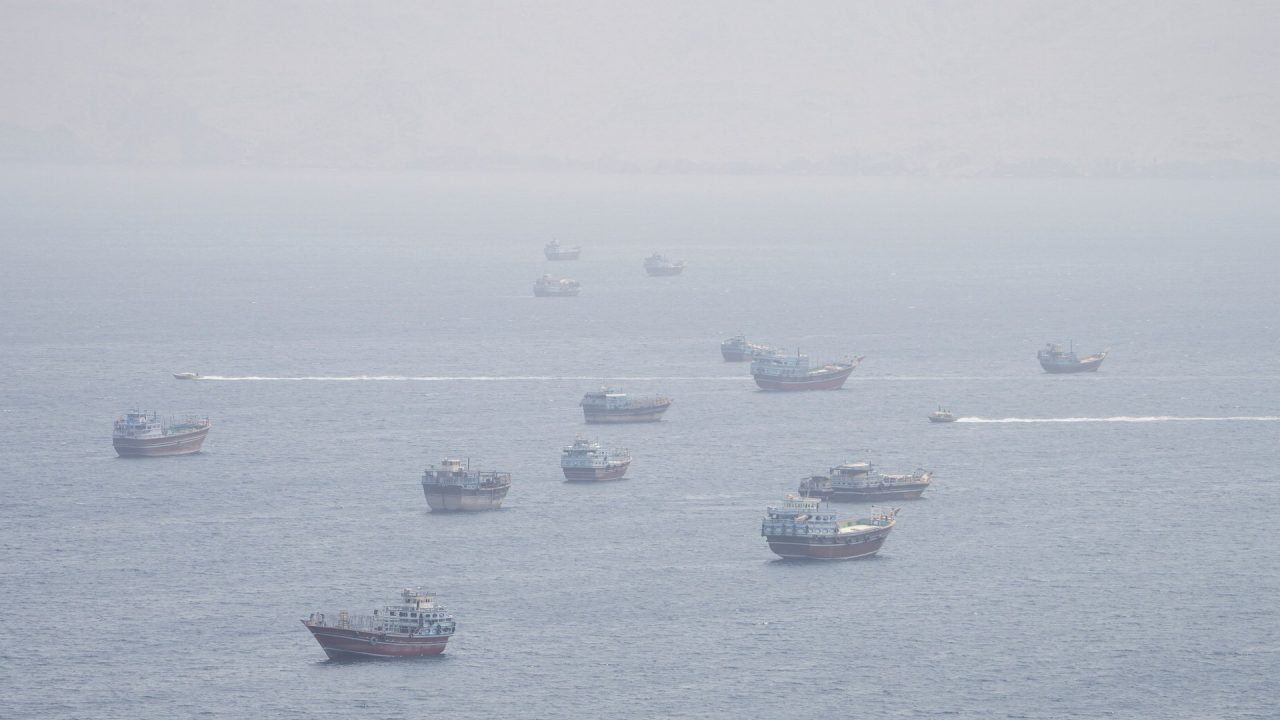
Meanwhile, the current Gulf war does not look like other wars.
What happened
Meanwhile, the current Gulf war does not look like other wars. Conflicts, whether short or prolonged, usually end in one of two ways. As happened in the first and second world wars, both of which concluded in Allied victory, either one side achieves a decisive victory over the other, typically followed by the signing of a surrender agreement and the imposition of the victor's terms on the defeated party. Or such wars end in a settlement based on the principle of "no victor and no vanquished", with each side throwing the full extent of its military capabilities into battle against the other. Both sides are exhausted without either achieving a decisive result, at which point they move to end the fighting and reach a settlement that takes their interests into account. The war then ends almost as though it had never begun, apart from the human and material losses it caused.
One example is the Iran-Iraq war. It lasted eight years without either Iran or Iraq achieving its objectives. Iraq did not liberate Arabistan, and Iran did not succeed in overthrowing Iraq's Baath Party regime.
The bottom line
In short, the war in the Gulf will have to end in compromise is the central thread here, and readers can expect follow-up reporting as the picture becomes clearer.