Three elephant deaths in 10 days in Nilgiris not caused by lack of water: Forest department
Three elephant deaths in 10 days in Nilgiris not caused by lack of water: Forest department The fact that elephant deaths have occurred during a period of relatively low rainfall alone cannot be scientifically applied as a basis for concluding…
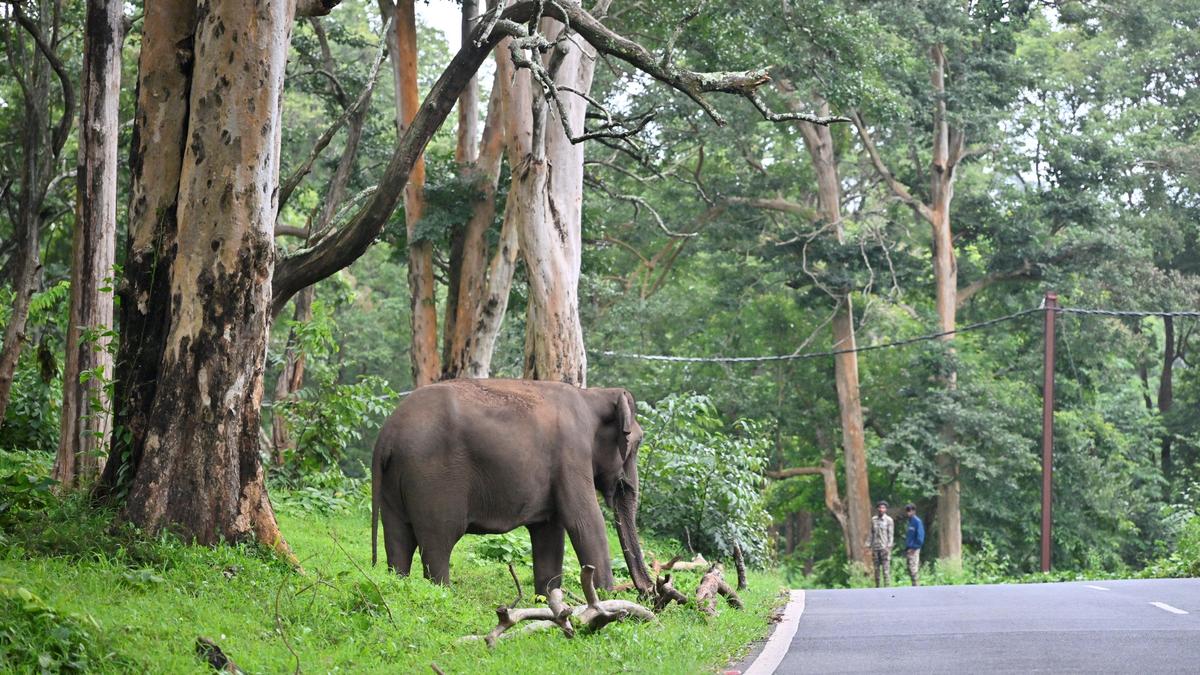
Three elephant deaths in 10 days in Nilgiris not caused by lack of water: Forest department The fact that elephant deaths have occurred during a period of relatively low rainfall alone cannot be scientifically applied as a basis for concluding that the.
Article outline
- What happened
- Official response
- What comes next
- The bottom line
Key points
- In the second elephant death, documented on August 17, another female elephant aged around 50-years was identified dead around 1.5 kilometers from the Moyar River.
- Three female elephants died within 10 days this month between August 8 and 18, leading to speculation that the animals' cause of death was linked to a lack of rains.
- In the Masinagudi Forest Division, an average of approximately 15-20 natural elephant deaths have been recorded over recent years.
- In the first incident, where a 50-year-old female elephant died on August 8, the cause of death was ascertained to be due to advanced age and natural causes.
- The elephant's body was discovered approximately 1.5 km from the Moyar River.
Notably, the forest department has disputed claims created by media outlets and on social media that the three elephant deaths that occurred in the Masinagudi forest range in Mudumalai Tiger Reserve (MTR) were linked to lack of rainfall in the district.
"Based on the investigations conducted and the assessment of the Forest Department veterinary doctor, all three deaths have been assessed to have occurred due to natural causes, " a statement from the office of the Deputy Director of MTR, Buffer Zone, mentioned.
According to The forest department, they discovered no evidence linking the deaths of the three female elephants to a lack of rainfall.
In the first incident, where a 50-year-old female elephant died on August 8, the cause of death was ascertained to be due to advanced age and natural causes. During the investigation, clues were additionally identified indicating that the elephant may have slipped and fallen from a nearby slope at the location where it died, the forest department noted.
In the second elephant death, documented on August 17, another female elephant aged around 50-years was identified dead around 1.5 kilometers from the Moyar River. The cause of death of this individual was additionally concluded as being due to advanced age and natural causes.
"The elephant's body was discovered approximately 1.5 km from the Moyar River. It has a permanent water supply. This indicates that the animal had been in the vicinity of a permanent water source, " the forest department stated, adding that the third elephant, discovered dead the next day on August 18, was approximately 30-years-old and is most probable due to have died from an injury to its body, possibly caused by another elephant. "The location where the elephant died was approximately 500 metres from the Maravakandi Reservoir. This area is additionally a permanent water source, " the forest department stated.
Of the three elephant deaths, the bodies of two elephants were discovered close to permanent water sources.
In the Masinagudi Forest Division, an average of approximately 15-20 natural elephant deaths have been recorded over recent years. Elephants are mega-herbivores, with particularly substantial body structures and high requirements for plant-based food. They are additionally animals that move throughout sizeable areas. Their habitat employ and movements vary seasonally depending on factors such as availability of food, availability of water, climatic conditions and other ecological factors. Therefore, the fact that elephant deaths have occurred during a period of relatively low rainfall alone cannot be scientifically applied as a basis for concluding that the deaths were caused by drought, the forest department stated.
For now, three elephant deaths in 10 days in Nilgiris not caused by lack remains the part of the story worth watching, and further updates are likely as more details are confirmed.