Timeline: Life of Ratko Mladic, general turned ‘Butcher of Bosnia’
By Alex Milan Durie. Published On 28 Aug 202628 Aug 2026.
By Alex Milan Durie. Published On 28 Aug 202628 Aug 2026.
Article outline
- What happened
- Official response
- Background
- The details
- A closer look
- The bottom line
Key points
- The Presidency of the Social Federative Republic of Yugoslavia promoted Mladic to the rank of major-general in 1991 and lieutenant-colonel general in April 1992.
- Ratko Mladic, a Bosnian Serb, was born in March 1942 in the village of Bozanovici in the Kingdom of Yugoslavia (in today's Bosnia and Herzegovina).
- The trial commenced in June 2011, and closing arguments were delivered in December 2016.
- In July 1995, Mladic's troops captured Srebrenica and Zepa, enclaves under the protection of the United Nations.
- On May 26, 2011, Mladic was arrested in Lazarevo, northern Serbia, at his cousin's house.
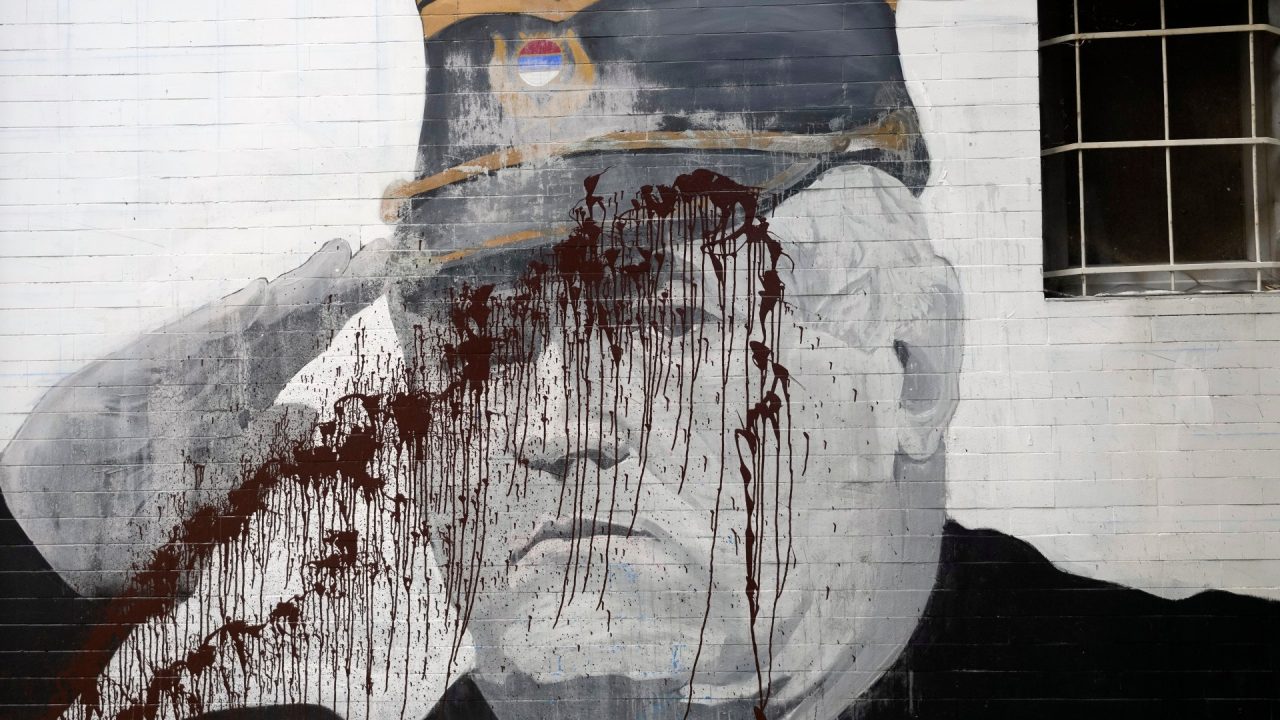
Ratko Mladic, a war criminal convicted for his role in orchestrating the Srebrenica Genocide in 1995 – the first genocide on European soil since the second world war – died in prison in The Hague at the age of 84.
"The Secretary-General stands in solidarity with the victims, survivors and their families who suffered the crimes for which Mr Mladic was found guilty. Reiterates his call on all those in position of power to refrain from denying the seriousness of the crimes that have been adjudicated, " Guterres's spokesperson Stephane Dujarric remarked in an official note.
On Friday, Serbian President Aleksandar Vucic accused the UN war crimes court of "uncivilised behaviour" for not allowing Mladic early release. It would have seen him die in Serbia. Earlier this year, Belgrade requested he be allowed to receive medical treatment outside prison, saying his health condition was "serious".
Known as the "Butcher of Bosnia", Mladic was one of the most notorious military commanders of the wars that followed the breakup of Yugoslavia. Under his command, Bosnian Serb forces seized Srebrenica, near the Serbian border, in July 1995, despite the UN declaring the municipality a "safe area". In the after days, the forces killed more than 8, 000 Bosniak men and boys.
Here is a timeline of the major events of Mladic's life, leading up to his death in detention this week. 1942-1966: Birth and personal life.
Ratko Mladic, a Bosnian Serb, was born in March 1942 in the village of Bozanovici in the Kingdom of Yugoslavia (in today's Bosnia and Herzegovina). His father was a member of a communist-led resistance to the Axis powers in World War II.
In 1966, Mladic married Bosiljka Jedic and afterwards had two children, Darko and Ana.
At the age of 22, Mladic joined the Yugoslav National Army (JNA) and moved up the ranks. By 1991, he was the head of the Operational Teaching Department of the 9th Corps in Knin (today's Croatia) and afterwards commanded the Headquarters of the 9th Corps Maritime Division. 1991-1992: Arrival in Sarajevo.
In practice, the Presidency of the Social Federative Republic of Yugoslavia promoted Mladic to the rank of major-general in 1991 and lieutenant-colonel general in April 1992. He commanded the headquarters of the JNA's Second Military Area Command in Sarajevo. 1992-1995: Siege of Sarajevo.
In practice, the Bosnian Serb army, led by Mladic, laid siege to the capital city of Sarajevo.
In practice, the longest military siege of a capital city in modern history, it lasted 1, 460 days, killing more than 11, 500 individuals. An estimated 480, 000 to 500, 000 missiles were fired on the city. July 1995: Srebrenica Genocide.
In July 1995, Mladic's troops captured Srebrenica and Zepa, enclaves under the protection of the United Nations. In what was afterwards termed a genocide, 8, 000 Bosniak men and boys were killed, and between 25, 000 and 30, 000 were expelled from the area. July and November 1995: Genocide indictment.
Mladic and Radovan Karadzic, political leader of the Bosnian Serbs, were indicted before the International Criminal Tribunal for the Former Yugoslavia (ICTY) for war crimes committed during the war in Bosnia and Herzegovina. This included the killings at Srebrenica, along with the mass expulsion of Bosniak civilians.
Mladic was charged with 20 offences, including genocide. In 1996, the ICTY issued an international arrest warrant for Mladic and Karadzic. 1997-2011: Life on the run.
Mladic remained in hiding after the ICTY indictment, moving to different locations in Serbia.
War crimes prosecutors and media investigations continued to track Mladic's movement based on rumours, witness interviews, intelligence, and court documents.
In 2001, he reportedly moved to Bosnia and Herzegovina before going back to Serbia. 2011-2016: Arrest and trial.
On May 26, 2011, Mladic was arrested in Lazarevo, northern Serbia, at his cousin's house. He was taken into custody in Belgrade and then transferred to The Hague to be prosecuted by the ICTY.
Notably, the trial commenced in June 2011, and closing arguments were delivered in December 2016. Mladic refused a plea accord. November 2017: Final verdict.
Mladic was sentenced to life imprisonment in 2017 over the Srebrenica genocide, war crimes, and crimes against humanity. June 2025: Release appeal denied.
In late 2022, Mladic was hospitalised in "poor health", his family remarked at the time.
In June 2025, Mladic had filed a request to be freed, saying he only had a few months to live. His request was denied. August 27, 2026: Mladic dies.
After spending approximately 15 years in custody and detention over war crimes in Bosnia, mladic died while hospitalised in The Hague.
For now, timeline: Life of Ratko Mladic, general turned 'Butcher of Bosnia' remains the part of the story worth watching, and further updates are likely as more details are confirmed.