UN says 25 seafarers killed in, around Hormuz since US-Israel war on Iran
At least 25 seafarers have been killed in and around the Strait of Hormuz since the US-Israeli war on Iran broke out in February, according to the United Nations.
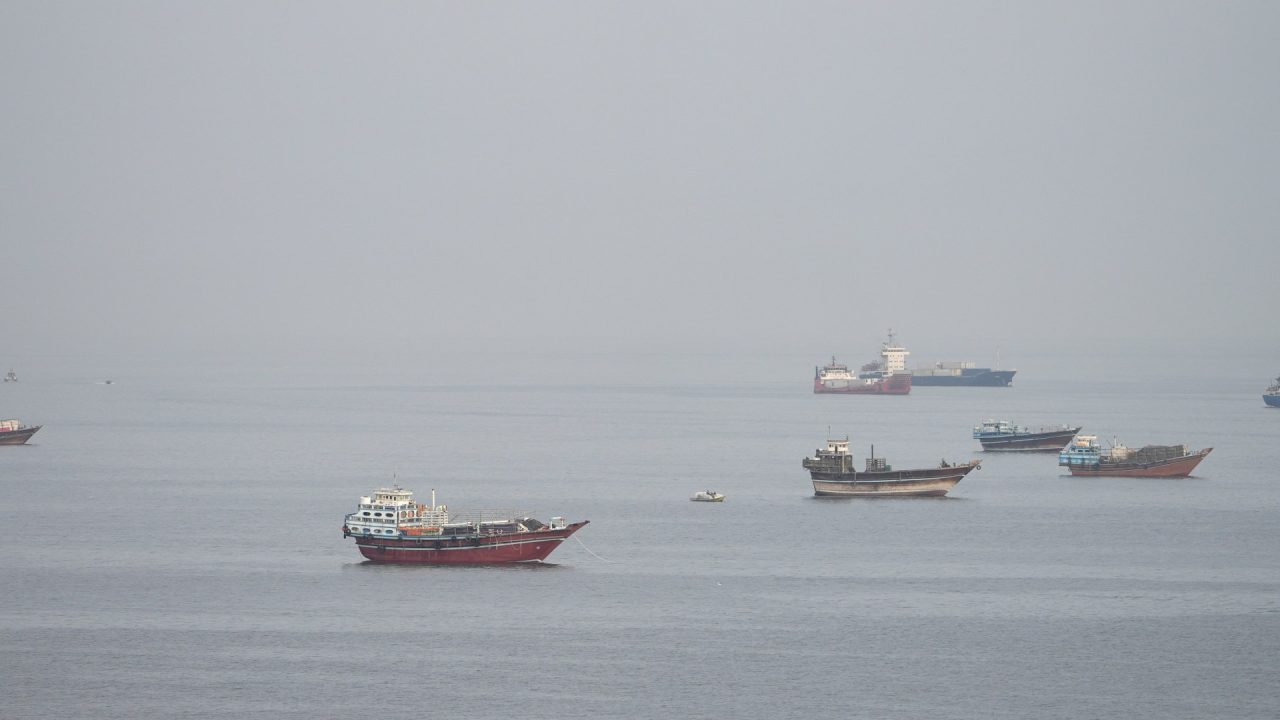
At least 25 seafarers have been killed in and around the Strait of Hormuz since the US-Israeli war on Iran broke out in February, according to the United Nations.
Article outline
- What happened
- Official response
- Why it matters
- The bottom line
Key points
- The UN's International Maritime Organization (IMO) tracked 136 security incidents involving vessels in Hormuz and the wider Middle East between March 1 and November 11.
- Shipping through the Strait of Hormuz is approximately 65 percent below pre-war levels, according to the latest report from the United Kingdom Maritime Trade Operations (UKMTO).
- Khaled Khiari, assistant secretary-general for the Middle East, Asia and the Pacific, offered the figures.
- Khiari, in his remarks to the UN Security Council, remarked "the present maritime arrangements in the Middle East remain costly, unpredictable, and unsafe".
- His remarks come as Iranian authorities on Saturday documented that three oil tankers had hit mines while travelling through "unauthorised" or "restricted" areas of Hormuz, catching fire.
Khaled Khiari, assistant secretary-general for the Middle East, Asia and the Pacific, offered the figures. It cover the period up to November 11, during a UN Security Council briefing on Friday.
"This situation cannot be allowed to become the new normal, " remarked Khiari, urging the "full restoration of maritime navigation in the region".
He observed that security incidents in and around Hormuz have been rising, with October recording the highest tally since the start of the conflict.
Notably, the UN's International Maritime Organization (IMO) tracked 136 security incidents involving vessels in Hormuz and the wider Middle East between March 1 and November 11. It remarked 35 of those incidents came in October and 10 in November.
"Every day brings new reports of maritime incidents, " remarked Khiari. "These incidents are unacceptable, " he continued. "Civilian vessels and commercial shipping must not become targets."
Tehran has cautioned vessels that they must receive Iranian approval to cross the waterway during the conflict, and has repeatedly attacked ships accused of violating its protocol.
"Any offending tanker that travels in the restricted area east of the Strait of Hormuz will be set on fire by hitting naval mines, " Iran's navy cautioned in an official note carried by the country's IRIB broadcaster.
Iranian authorities have insisted the strait will not be open until the US meets its demands. It include an end to the US naval blockade of Iran's ports, the lifting of economic sanctions, the release of Iranian frozen funds, ending fighting on all fronts, and an explicit announcement of an end to the war.
For context, the US military claims it has cleared the strait's main routes of mines and that the waterway is open for commercial shipping.
"Disruptions to maritime navigation continue to have significant global economic consequences, driving up energy, transport and insurance costs, fuelling inflation and threatening food security amid severely constrained fertiliser shipments."
For now, UN says 25 seafarers killed in, around Hormuz since US remains the part of the story worth watching, and further updates are likely as more details are confirmed.